
Are You Following the Right Skin Care Routine?

What Does Your Skin Actually Need?
Strip away the marketing, and every effective skin care routine really comes down to four things:
-
Cleanse — wash away daily grime and buildup gently without drying.
-
Moisturise — keep your skin barrier hydrated and functioning
-
Protect — daily sunscreen, non-negotiable
-
Treat — only when something specific needs addressing, like acne or pigmentation
That's genuinely it. You don't need ten steps. In fact, most dermatology guidance actually favours a simple, consistent routine over a complicated one. Because piling on actives tends to do more harm than good. So, if you're wondering how to start a skin care routine from scratch or how to maintain healthy skin, this four-step list is where you can begin, not the 12-step version you saw online.
Your Skin Care Routine From Morning to Night
Now, understand this: a good skin care routine isn't one static thing. It shifts across the day, because your skin's job in the morning (protection) is different from its job at night (repair). That’s why you need a separate skin care routine for each time. Here’s how-
Morning skin care routine
-
Gentle cleanser
-
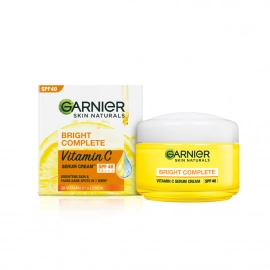
Optional lightweight serum like Garnier Bright Complete Cream for Glowing Skin
-
Moisturiser suited to your skin type
-
Broad-spectrum sunscreen, applied last, every single day
Noon/daytime care
-
Reapply sunscreen if you're outdoors for long stretches
-
Dab away oil instead of over-cleansing your face
-
Avoid touching your face with unwashed hands
Night skin care routine
-
Remove sunscreen and any makeup fully
-
Cleanse
-
Treatment, only if your skin tolerates it and actually needs it
-
Moisturiser to lock everything in
And if you only want to remember one thing from this section, remember this: morning care is about protecting your skin from the day ahead, and night care is about undoing whatever the day put it through.
Is Your Skin Oily, Dry, Sensitive or Acne-Prone?
Moving further, before using or buying any skincare product, understand what your skin type really is. Is it oily, dry, sensitive, or acne-prone? Because this is where a lot of routines quietly go wrong. People follow generic skin care tips or pick any skin care product without ever checking if those tips or products actually suit their skin or not. Here’s how you can approach it instead-
|
SKIN TYPE MATCHING GUIDE |
|
|
SKIN TYPE |
FORMULA REQUIREMENT |
|
Oily Skin |
Lightweight, water-based gels, non-comedogenic |
|
Dry Skin |
Rich creams, barrier ceramides, gentle low-foam wash |
|
Sensitive Skin |
Fragrance-free, minimal ingredients, soothing extracts |
|
Acne-Prone Skin |
Oil-free, salicylic acid/zinc, light gel hydration |
But during all of that, there is one thing worth correcting here: not everyone needs to wash their face twice a day. If your skin is dry or sensitive, over-cleansing can do more damage than skipping a wash. So, here, washing after heavy sweating makes sense.
However, in the first place, how would you identify your skin type? Here’s how-
Oily Skin
If your face develops a shiny layer by mid-morning, you are managing oily skin care.
-
Approach: Focus on non-comedogenic (pore-friendly) formulas that hydrate without adding heavy oils.
-
Strategy: A proper skincare routine for oily skin uses gel-based washes, oil-free hydration, and lightweight SPF. Never skip moisturizer altogether. It’s because dehydrated oily skin will produce double the oil to compensate for that.
Dry Skin
Meanwhile, if your face feels tight after washing or shows flaky patches, you need dedicated dry skin care.
-
Approach: Preserve every bit of moisture and replenish missing surface lipids.
-
Strategy: An effective skincare routine for dry skin relies on cream-based, non-foaming cleansers and richer moisturizers packed with ceramides, squalane, or hyaluronic acid.
Sensitive Skin
Then, if your skin flushes at the slightest touch, stings when you try a new product, or flares up whenever the weather changes, you’re dealing with sensitive skin.
-
Approach: Keep things as simple as possible. Fewer ingredients mean fewer chances for your skin to react.
-
Strategy: Ditch anything with added perfumes or drying alcohols. Instead, reach for soothing, barrier-repairing ingredients like Centella Asiatica (Cica), colloidal oatmeal, and Panthenol to take the sting out.
Acne-Prone Skin
Or if blackheads, whiteheads, or painful bumps are a regular guest on your face, your skin needs a routine focused on keeping pores clear, without completely stripping your moisture barrier in the process.
-
Approach: Gently clear out clogged pores and calm inflammation without drying your skin to a crisp.
-
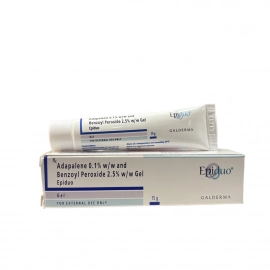
Strategy: Start with a gentle cleanser that features proven ingredients like Salicylic Acid (BHA) or Benzoyl Peroxide (for instance, a targeted option like Epiduo 0.1%/2.5% Gel). Pair it with a lightweight, oil-free moisturizer to keep your barrier healthy, and resist the urge to pick or pop to let your products do the heavy lifting.
How Your Routine Should Change With the Seasons
Using the exact same heavy cream year-round is a recipe for clogged pores in summer and flaky skin in winter. So, as ambient humidity and temperatures shift, your skincare products should shift too.
|
SEASONAL TEXTURE & CARE SWAPS |
||
|
SUMMER |
MONSOON |
WINTER |
|
Sweat-proof SPF |
Gel Formulations |
Cream Cleansers |
|
Light Gels |
Antifungal Care |
Ceramide Creams |
|
Matte Finishes |
Oil Control |
Moisture Locks |
Summer Care
The Challenge: Heat, heavy sweat, and strong UV rays.
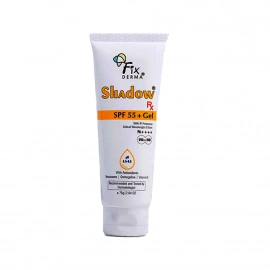
The Adaptation: Switch to lightweight, water-based lotions. Ensure you use a high-SPF broad-spectrum sunscreen that offers water and sweat resistance. The products which you can explore could be
But remember, whatever product you choose, choose it as per your skin type. For a detailed guide, you can also check our blog- Best Sunscreen for Summer Season in India for All Skin Type
Monsoon Care
The Challenge: Soaking air humidity, trapped sweat, and bacterial/fungal proliferation.
The Adaptation: High humidity demands a dedicated monsoon skin care routine. Because sweat mixed with dirt settles into open pores, leading to sudden breakouts. So, in this case, what you can do is transition to a specific skin care routine for oily skin in monsoon months by swapping heavy creams for an ultra-lightweight moisturiser, something like
Meanwhile, if you struggle with antifungal skin problems, you can even explore the following products after consulting a certified dermatologist.
And to learn more about skin care treatments, you can also read out our blog- Skin Infection Treatments: Creams, Ointments, & Tablets Explained
Winter Care
The Challenge: Cold, dry outdoor air combined with indoor heating pulls moisture straight out of your skin.
The Adaptation: Swap light lotions for thicker barrier creams containing ceramides and natural oils. Switch to a non-foaming cream cleanser that cleanses without stripping away essential surface lipids. You can try products like
How to Choose the Right Skin Care Products
Once you know your skin type and the season you're in, choosing products gets a lot simpler. You can just follow the steps below to choose the right one-
-
Best cleanser for skin — pick based on how your skin feels after washing, not how it's marketed. Tight and squeaky isn't clean, it's stripped.
-
Lightweight moisturiser — ideal for oily and combination skin, and for humid months
-
Sunscreen for daily use — SPF 30 or higher, applied every morning regardless of weather
-
Broad-spectrum sunscreen — specifically protects against both UVA and UVB rays, not just sunburn-causing UVB alone
-
Non-comedogenic products — especially important if you're acne-prone
-
Fragrance-free products — the safer default for sensitive skin
Also, if you're looking to buy skin care products online, choose based on what your skin actually needs rather than whatever's trending that week. It’s because a serum going viral doesn't mean it's right for your skin type, your climate, or the season you're currently in.
Skin Care Mistakes That Can Ruin a Good Routine
Even a well-planned skin care routine can get undone by small daily habits. So, try to avoid these kinds of mistakes-
Over-Washing
Washing your face more than twice a day (unless recovering from heavy sweating) strips away necessary lipids, damaging your moisture barrier.
Aggressive Scrubbing
Rough physical scrubs made with crushed walnut shells or sharp microbeads don't just clear away dead skin, they actually create tiny micro-tears on your skin's surface. That extra friction can lead to stubborn redness and easily spread acne bacteria all over your face.
Going Overboard with Actives
It’s easy to think piling on Salicylic Acid, Glycolic Acid, Retinol, and Vitamin C all at once will speed up results. In reality, overloading your skin like this just wrecks your moisture barrier, leaving you with raw, irritated, and inflamed skin.
Skipping Moisturizer on Oily Skin
If your skin is greasy, skipping moisturizer feels like a smart move. But when you don't hydrate, your skin panics, thinks it's dry, and pumps out even more oil to compensate, leading to extra shine and clogged pores.
Skipping Sunscreen on Cloudy Days
Just because the sun is hiding behind clouds or rain doesn't mean your skin is safe. Up to 80% of UV rays pass right through clouds and window glass, so wearing sunscreen isn't just a sunny-day thing, it's an everyday commitment.
Product Hopping
Giving up on a new product after three days prevents you from seeing real results. Skin cells take roughly 28 days to turn over; give new products at least 4 to 6 weeks to work.
Sleeping in Makeup
Trapping daily dirt, makeup pigments, and excess oil against your face overnight leads to instant pore congestion and dullness.
When Your Skin Needs More Than a Routine
A good routine mainly handles a lot, but it does not mean you don’t need anything else. So, it's worth seeing a professional if you notice:
-
Persistent acne that isn't responding to consistent care
-
Severe irritation or unexplained rashes
-
Ongoing itching that doesn't settle
-
Pigmentation that keeps worsening
-
Signs of a possible fungal skin infection, especially during monsoon
-
Any changing or unusual spot on your skin
-
Symptoms that simply aren't improving over time
Also remember, none of this means self-diagnosing. It means recognising when home care has done what it can, and a professional opinion is the safer next step. Along with that, you can also go with home tips like including Vitamin C supplements and eating seasonal fruits like Jamun in early monsoon season.
Conclusion
So, building an effective skincare routine isn't about buying the longest list of ingredients or building a ten-step shelf display. It comes down to understanding the simple rhythm of your face: gentle cleansing, consistent hydration, and reliable sun defense every single day.
Listen to what your face is telling you as seasons turn and temperatures shift. Switch to lighter gel textures when the air gets sticky, bring out richer nourishing creams when winter dryness sets in, and keep your daily sunscreen non-negotiable. Keep your regimen simple, give your products time to work, and treat your skin barrier with care.
Disclaimer: This blog is for educational purposes only and does not include any personal advice. So, kindly do not consider it a replacement for professional medical advice, and make your choice as per your own preferences and certified doctor consultation.
FAQs
-
What is the proper skin care routine?
Cleanse, moisturise, and protect with sunscreen, in that order, twice a day. Along with that, add a treatment step but only if your skin actually needs one. That's genuinely the whole formula, everything else is optional.
-
How long does it take to see results from a new skincare routine?
Give it at least 4 to 6 weeks before judging anything. Your skin cycles through renewal slowly, so a product that "isn't working" after five days probably just hasn't had the time it needs yet.
-
Can I use the same moisturizer for both morning and night?
You can, but it's not ideal. Morning moisturisers are usually lighter and pair well with sunscreen, while night moisturisers tend to be richer, built for repair while you sleep. If you're only buying one, pick based on your skin type over the time of day.
-
What is the correct order to apply skincare steps?
Thinnest to thickest: cleanser, serum or treatment, moisturiser, then sunscreen last in the morning. And while doing so, remember, applying it out of order means some products just sit on top of others and never actually absorb.
-
Do I really need to wear sunscreen indoors or on rainy days?
Yes. UV rays pass through clouds and windows more than people expect. Skipping sunscreen because it "doesn't look sunny" is one of the most common reasons people don't see the results they're hoping for.
-
How to get glowing skin?
Consistency does more than any single product.
-
Cleanse and moisturise daily,
-
Never skip sunscreen
-
Drink enough water
-
Sleep properly
And let your routine run for a few weeks before adding anything new.
-
Should I use serum before moisturizer?
Yes. Serums are thinner and meant to absorb into your skin first. Moisturiser goes on after to lock that in and seal your skin barrier.
-
Which fruit is No. 1 for glowing skin?
There isn't a single scientifically crowned "number one," but papaya gets mentioned most often for skin health, largely due to its vitamin C and antioxidant content. But consistent intake matters more than any one fruit, though.
-
Can I leave serum overnight?
Most serums are designed exactly for that, especially night-time formulas meant to work while your skin repairs itself during sleep. Just check your specific product's label, since some active ingredients (like certain acids) have specific usage instructions.
-
What are 5 superfoods for glowing skin?
Think walnuts, papaya, avocado, sweet potatoes, and leafy greens like spinach. Because they are nothing exotic or hard to find, just foods that quietly do a lot of work behind the scenes, packed with antioxidants, healthy fats, and vitamins A, C, and E that your skin actually uses to repair and glow from the inside.
-
Which juice is best for glowing skin?
Carrot juice and amla (Indian gooseberry) juice are commonly recommended, largely for their vitamin A and vitamin C content. But remember, fresh, unsweetened juice matters more than any specific brand or blend.
-
What are some good morning drinks for glowing skin?
Warm water with lemon, amla juice, or a simple vegetable juice are common choices. But the bigger win is just staying consistently hydrated through the day, because no single morning drink does the heavy lifting alone.
Sources
https://www.healthline.com/health/beauty-skin-care/order-of-skin-care
https://www.webmd.com/beauty/ss/slideshow-skincare-routine
https://www.medicalnewstoday.com/articles/serum-or-moisturizer-first




Leave your comment
Note: HTML is not translated!