
Best Anti-Fungal Tablets in India for Skin, Nail & Yeast Infections

Which Antifungal Tablet Do You Need?
|
If You Have |
Commonly Prescribed |
|
Vaginal yeast infection |
Fluconazole (often single-dose) |
|
Ringworm or athlete's foot |
Terbinafine or Itraconazole |
|
Nail fungus |
Terbinafine (longer course, weeks to months) |
|
Stubborn or long-standing skin infection |
Griseofulvin or Itraconazole |
|
Severe/systemic infection |
Itraconazole, under close medical supervision |
But remember, this is general information only. Your doctor will confirm the right choice based on diagnosis, not this table alone.
What Are Antifungal Tablets?
Antifungal tablets are oral medicines that are used to treat infections caused by fungi. These infections can affect different parts of the body, including the skin, nails, mouth, throat, and private areas. But unlike topical antifungal creams, oral medicines work throughout the body and can be useful when an infection requires systemic treatment.
Fungi can grow well in warm, moist environments. And this is exactly why infections are common in areas such as the feet, groin, and skin folds where sweating is common. However, not every itchy or red rash is a fungal infection. Conditions such as eczema and other skin problems can look similar too. So getting the diagnosis right matters.
Oral antifungal medicines are usually prescribed when:
-
The infection is severe or widespread
-
Topical treatment has not worked
-
The infection keeps coming back
-
The infection affects areas such as the scalp or nails where oral treatment may be needed.
-
A person has a weakened immune system or another reason that makes oral treatment appropriate.
How Do Antifungal Tablets Work?
Antifungal tablets work in different ways depending on the medicine. Some interfere with the fungal cell membrane, while others stop fungi from growing or multiplying.
For example:
-
Fluconazole and itraconazole belong to the azole group and interfere with fungal cell membrane formation.
-
Terbinafine interferes with an enzyme needed for fungal growth.
-
Griseofulvin works differently and is used for certain dermatophyte infections.
So, the fact is that one antifungal works well for one infection does not mean it will work equally well for another. This is why choosing a medicine based only on the symptoms or a previous prescription may not always be appropriate.
Do You Need an Antifungal Tablet or a Cream?
Now, this is one of the most important questions to ask before starting treatment. So, here is the answer-
A cream or other topical antifungal may be enough for some mild, localized skin infections. But oral antifungal treatment is often considered when the infection is extensive, persistent, affects areas such as the nails or scalp, or has not responded appropriately to topical treatment. Meanwhile, your doctor may also consider this treatment when the infection is difficult to reach with topical medicine or when the type and severity of infection make systemic treatment more suitable.
That’s why remember: Taking a tablet when a cream would be sufficient can expose you to unnecessary side effects and drug interactions.
Common Types of Antifungal Tablets
Instead of choosing a tablet simply by its brand name, it is more useful to understand the active ingredient, such as
-
Fluconazole
Fluconazole is an azole antifungal used for certain yeast and fungal infections. Doctors may prescribe it for specific types of candidiasis and other fungal infections, depending on the diagnosis. But it is not automatically the best antifungal tablet for every skin infection or ringworm infection. The dose and treatment duration still depend on the condition being treated.
-
Itraconazole
Then, Itraconazole is another azole antifungal used for several fungal infections. Depending on the diagnosis, it may be considered for certain skin, nail, yeast, and other fungal infections. However, it can interact with several medicines and may not be suitable for everyone, so use it only as directed by a doctor.
-
Terbinafine
Terbinafine is an antifungal medicine commonly used for certain dermatophyte infections affecting the skin, scalp, and nails. It is available as both topical and oral treatment, with oral terbinafine generally requiring a prescription. But the appropriate dose and duration depend on the infection being treated, so do not use a previous terbinafine prescription for a new infection without medical advice.
-
Griseofulvin
Griseofulvin is an antifungal medicine that is often used for certain dermatophyte infections, particularly some infections involving the skin, hair, or nails. But its usefulness depends on the specific fungal infection, and other antifungals can also be used depending on the diagnosis.
-
Oral Ketoconazole
Ketoconazole is an antifungal medicine, but oral ketoconazole is generally avoided for fungal infections when safer alternatives are available because of the risk of serious liver toxicity. So, it should not be treated as a routine “strong antifungal tablet” or self-medication option.
Important Note (Medical Safety)
Antifungal tablets should not be chosen simply because they are described online as “strong” or “best.” The right medicine, dose, and treatment duration depend on:
-
Type of infection
-
Severity
-
Location of the infection
-
Your medical history
-
Other medicines you may be taking
Apart from that, self-medication can lead to the wrong treatment, unnecessary side effects, or drug interactions. Some fungal infections also need testing or a different type of treatment altogether. So, when something doesn't add up, don't push through with the same tablet; get it checked instead.
10 Commonly Used Antifungal Tablets in India
There is no single best antifungal tablet in India that can cure every type of fungal infection. The right medicine depends on the type, location, and severity of the infection. That’s why, below, we have listed 10 commonly used antifungal tablets in India, including options prescribed for skin, nail, and other fungal infections, along with their uses and important safety information.
Best Anti-Fungal Tablets for Skin Infections
1. Flucos 150 (Fluconazole)
Flucos 150 is a widely used antifungal tablet that helps treat yeast and fungal infections effectively. It works by stopping the growth of fungi and providing quick relief from symptoms. It is commonly prescribed for mild to moderate infections.
Key Ingredient: Fluconazole
Uses:
-
Vaginal yeast infections
-
Oral thrush
-
Systemic fungal infections
Dosage: Usually taken as a single dose or as prescribed by a doctor
Common Side Effects: Headache, nausea, stomach pain
Why It’s Popular:
Fluconazole is one of the most commonly prescribed antifungals due to its fast action and high effectiveness in treating yeast infections.
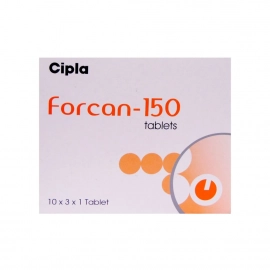
2. Forcan 150 / Forcan 200 (Fluconazole)
Forcan tablets are trusted antifungal medicines known for their consistent performance in treating various fungal infections. They are often prescribed by doctors for both mild and moderate conditions. The medicine works by weakening the fungal cell membrane.
Key Ingredient: Fluconazole
Uses:
-
Candidiasis
-
Fungal infections in the mouth and throat
-
Urinary fungal infections
Dosage: Depends on infection severity
Common Side Effects: Dizziness, abdominal discomfort
Why It’s Popular:
Widely trusted brand with consistent results and strong doctor preference in India.
3. Zocon 150 / Zocon 200 (Fluconazole)
Zocon is a commonly available antifungal tablet that is effective in treating both internal and external fungal infections. It is known for its affordability and easy accessibility. It provides reliable relief when taken as prescribed.
Key Ingredient: Fluconazole
Uses:
-
Vaginal fungal infections
-
Skin fungal infections
-
Other susceptible fungal infections as prescribed
Dosage: As directed by the physician
Common Side Effects: Nausea, headache
Why It’s Popular:
Affordable and easily available, making it a go-to option for many patients.
4. Fusys 150 (Fluconazole)
Fusys 150 is an antifungal tablet used to treat different types of yeast infections. It works quickly to control fungal growth and reduce symptoms like itching and irritation. It is commonly suggested for short-term treatment.
Key Ingredient: Fluconazole
Uses:
-
Yeast infections
-
Fungal infections in different body parts
Dosage: Single or multiple doses based on condition
Common Side Effects: Mild stomach upset, dizziness
Why It’s Popular:
Known for reliable performance and quick symptom relief.
5. Fluka-150 (Fluconazole)
Fluka-150 is an effective antifungal tablet that helps treat common fungal infections, especially yeast-related conditions. It is often chosen for its affordability and dependable results. The medicine works by stopping fungal multiplication.
Key Ingredient: Fluconazole
Uses:
-
Vaginal candidiasis
-
Oral and esophageal infections
Dosage: As prescribed
Common Side Effects: Headache, nausea
Why It’s Popular:
Provides effective treatment at a budget-friendly price.
Best Anti-Fungal Tablets for Private Area
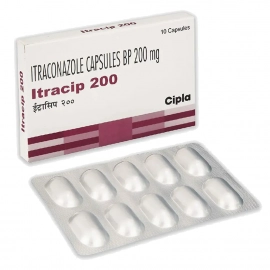
6. Itracip 200 (Itraconazole)
Itracip 200 is a commonly used antifungal medicine used for treating more serious and long-lasting infections. It is especially useful when other treatments do not work. The medicine targets a wide range of fungi affecting the skin and nails.
Key Ingredient: Itraconazole
Uses:
-
Skin fungal infections
-
Nail infections
-
Severe systemic fungal infections
Dosage: Usually taken for a longer duration
Common Side Effects: Nausea, headache, liver-related concerns (rare)
Why It’s Popular:
Commonly used antifungal for chronic and stubborn infections where fluconazole may not be enough.
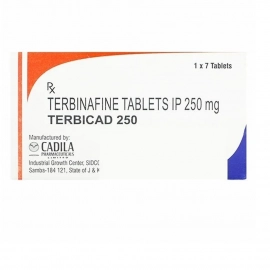
7. Terbicad 250 (Terbinafine)
Terbicad 250 is one of the top anti-fungal tablets that is commonly prescribed for fungal infections affecting the skin and nails. It is particularly effective against dermatophyte infections like ringworm.
Key Ingredient: Terbinafine
Uses:
-
Ringworm
-
Athlete’s foot
-
Nail fungus
Dosage: Daily dose for a few weeks
Common Side Effects: Taste changes, stomach upset
Why It’s Popular:
Highly effective against dermatophyte infections (skin fungi).
8. Terbiface 250 / Terbiface 500 (Terbinafine)
Terbiface tablets are antifungal medicines available in different strengths to suit varying infection levels. They are widely used for treating stubborn skin and nail infections. But the correct strength and duration should be decided by a doctor based on the infection and individual health factors.
Key Ingredient: Terbinafine
Uses:
-
Skin fungal infections
-
Nail fungus
Dosage: Depends on severity
Common Side Effects: Headache, digestive issues
Why It’s Popular:
Comes in different strengths, offering flexibility in treatment.
9. Zorbax 500 (Griseofulvin)
Zorbax 500 is used for treating long-standing fungal infections that do not respond to common treatments. It works by stopping the growth of fungi in the skin, hair, and nails. Treatment may take longer compared to other antifungals.
Key Ingredient: Griseofulvin
Uses:
-
Persistent ringworm infections
-
Scalp fungal infections
Dosage: Long-term treatment may be required
Common Side Effects: Fatigue, headache
Why It’s Popular:
Best suited for long-standing fungal infections that do not respond to other medicines.
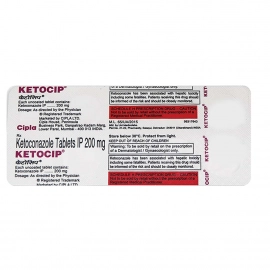
10. Ketocip (Ketoconazole)
Ketocip is an antifungal tablet containing ketoconazole. However, oral ketoconazole is generally avoided for routine fungal infections when safer alternatives are available because of its serious liver toxicity risk.
Key Ingredient: Ketoconazole
Uses:
-
Severe fungal infections (under supervision)
Dosage: Strictly as prescribed
Common Side Effects: Liver-related risks, nausea
Why It’s Popular:
Used in specific cases under medical guidance, especially when other treatments are not effective.
|
Safety Note: Antifungal tablets are effective but should be used responsibly. Always rely on qualified medical advice rather than self-treatment. Safe usage not only ensures faster recovery but also prevents complications and long-term health risks. |
How to Choose the Right Antifungal Tablet
Choosing the right antifungal tablet depends on your infection type, severity, and overall health condition. If you take the wrong antifungal, treatment may not work and could delay the correct diagnosis. In fact, for this reason, the “best” antifungal tablet should not necessarily be the strongest one; it should be the medicine that is appropriate for your specific infection.
So, if you want to order medicine online, always choose a trusted online pharmacy store. Here is how to choose the correct antifungal medicine:
1. Identify the Type of Fungal Infection
Different antifungal tablets work best for different infections:
-
Skin infections (ringworm, athlete’s foot): Terbinafine or Itraconazole
-
Vaginal yeast infections: Fluconazole
-
Oral thrush or internal infections: Fluconazole or Itraconazole
-
Nail infections: Terbinafine or Itraconazole (long-term treatment)
Correct diagnosis is the first step. A doctor may confirm it through symptoms or lab tests.
2. Consider the Severity of the Infection
-
Mild infections: Often treated with a single-dose Fluconazole tablet
-
Moderate infections: May require multiple doses or a short course
-
Severe or chronic infections: Need stronger antifungals like Itraconazole or Terbinafine for a longer duration
Ignoring severity can lead to incomplete treatment and recurrence.
3. Check Medical History and Existing Conditions
Some antifungal tablets may not be suitable if you have:
-
Liver problems
-
Kidney issues
-
Heart conditions
-
Ongoing medications
-
A history of drug allergies or previous reactions to antifungal medicines
For example, medicines like Ketoconazole require strict monitoring due to potential liver-related side effects. Oral ketoconazole is generally avoided for routine fungal skin infections when safer alternatives are available.
4. Be Aware of Drug Interactions
Antifungal tablets can interact with other medicines, such as:
-
Blood pressure medicines
-
Diabetes drugs
-
Antacids or antibiotics
-
Blood thinners
That’s why always inform your doctor about any ongoing medications to avoid complications.
5. Follow the Correct Dosage and Duration
-
Do not stop the medicine once symptoms improve
-
Complete the full course to prevent recurrence
-
Avoid self-adjusting the dose
Also, do not repeat an old antifungal prescription for a new rash without confirming that the infection is the same. And remember, incomplete treatment is one of the most common reasons for recurring fungal infections.
6. Consider Cost and Availability
Many antifungal tablets, like Fluconazole-based options, are:
-
Easily available
-
Affordable
-
Effective for common infections
But antifungal tablet prices in India typically range from budget-friendly single-dose options (₹30-₹150) to longer-course medicines that cost more overall due to extended duration. That’s why it is highly recommended to ask your pharmacist for the current price before buying.
Expert Tip
Always consult a qualified doctor before starting antifungal tablets. Self-medication can lead to:
-
Incorrect treatment
-
Side effects
-
Drug interactions
-
Delayed diagnosis of a non-fungal condition
-
Inappropriate or repeated use of antifungal medicines
A proper diagnosis ensures you get the right medicine, right dose, and right duration. And this is especially important for recurrent, widespread, genital, scalp, or nail infections, or when an infection does not improve with initial treatment.
Dosage Guidelines & How to Take Antifungal Tablets Safely
Taking antifungal tablets correctly is just as important as choosing the right medicine. Incorrect dosage or improper use can reduce effectiveness and increase the risk of side effects or recurrence.
General Dosage Guidelines
The dosage of antifungal tablets varies depending on the type of infection and the medicine prescribed:
-
Fluconazole (e.g., Flucos, Forcan, Zocon):
Often given as a single dose for vaginal infections or multiple doses for other conditions.
-
Itraconazole (Itracip 200):
Usually taken once or twice daily for several weeks.
-
Terbinafine (Terbicad, Terbiface):
Typically taken once daily for a few weeks to months (especially for nail infections).
-
Griseofulvin (Zorbax 500):
It requires long-term use (weeks to months) for a complete cure.
-
Ketoconazole (Ketocip):
Taken only under strict medical supervision due to safety concerns
Note: Exact dosage should always be decided by a doctor based on your condition.
How to Take Antifungal Tablets Properly
Follow these simple steps to get the best results:
-
Take the medicine at the same time every day
-
Swallow the tablet with a full glass of water
-
Some medicines should be taken with food (like Itraconazole) for better absorption
-
Avoid skipping doses
Important Safety Tips
To ensure safe use, keep these points in mind:
-
Do not self-medicate or reuse old prescriptions.
-
Avoid alcohol while taking antifungal tablets, especially with medicines affecting the liver.
-
Inform your doctor if you are pregnant, breastfeeding, or planning a pregnancy.
-
Watch for side effects like nausea, vomiting, headache, skin rash, or unusual fatigue.
What Happens If You Miss a Dose?
In case you miss a dose, follow the steps below:
-
Take the missed dose as soon as you remember
-
If the time is close to the time of the next dose, then skip the missed dose and take the next one
-
Do not take a double dose
Remember, overdosing can increase the risk of side effects without improving results.
When to Stop the Medicine?
-
Complete the course, and don’t stop even if you feel improvement
-
Stopping early can cause the infection to return or become resistant
How Long Do Antifungal Tablets Take to Work?
Most people notice improvement within a few days to a week for mild infections treated with fluconazole. However, nail infections are the slowest to resolve, as terbinafine courses for nail fungus often run 6-12 weeks, and full nail regrowth still can take several months even after the fungus itself is cleared. So, if there's no improvement at all within the expected timeframe for your specific medicine, that's a reason to go back to your doctor rather than continue waiting.
Possible Side Effects of Antifungal Tablets
Antifungal tablets are generally safe when taken as prescribed. However, like all medicines, they may cause some side effects. These effects can vary depending on the type of drug, dosage, and your body’s response.
Common Side Effects
Most people experience mild and temporary side effects, such as:
-
Nausea or vomiting
-
Headache
-
Stomach pain or discomfort
-
Dizziness
These symptoms usually go away on their own and do not require medical attention unless they persist.
Moderate Side Effects
In some cases, antifungal tablets may cause:
-
Skin rash or itching
-
Changes in taste (common with Terbinafine)
-
Loss of appetite
-
Mild liver enzyme changes
If these symptoms worsen, consult a doctor for guidance.
Serious Side Effects (Rare but Important)
Although rare, some antifungal medicines can cause serious complications:
-
Liver problems (especially with Itraconazole and Ketoconazole)
-
Symptoms: yellowing of skin/eyes, dark urine, fatigue
-
-
Severe allergic reactions
-
Symptoms: swelling of face/lips, breathing difficulty
-
-
Heart-related issues (in rare cases with certain antifungals)
Seek immediate medical help if you notice any of these symptoms.
Who Should Be Extra Careful?
Certain individuals need extra caution while taking antifungal tablets:
-
People with liver or kidney disease
-
Elderly patients
-
Pregnant or breastfeeding women
-
Those taking multiple medications
-
Children, whose dosing must be calculated by weight and age, not adult tablet strength
In such cases, dosage adjustment or alternative treatment may be required.
Pregnancy-Specific Guidance
This is worth being specific about, rather than a generic "consult your doctor" line. According to FDA data, a single low dose of fluconazole (150mg) used for vaginal yeast infections has not been linked to an increased risk of birth defects.
However, prolonged, high-dose fluconazole use (400-800mg/day) during the first trimester has been associated with a distinct pattern of birth defects, which is why fluconazole's pregnancy risk category changes depending on dose and duration.
In fact, itraconazole and ketoconazole also carry documented risk in animal and some human studies and are generally avoided in pregnancy unless the infection is severe and no safer option exists. But terbinafine used topically is considered lower-risk, but oral terbinafine in pregnancy should still only be used if a doctor confirms it's necessary.
None of this is a substitute for your own doctor's evaluation, but it should make clear why "just ask your doctor" actually matters here: the risk genuinely varies by drug and dose.
A Note for Parents: Antifungal Tablets and Children
Oral antifungal tablets are sometimes prescribed for children as well, particularly for scalp ringworm (tinea capitis) or stubborn infections that don't respond to creams. But dosing is calculated by the child's body weight, not a standard adult dose. So, never give a child a fraction of an adult tablet without a doctor's specific instruction. And if a child has a fungal infection that isn't improving with topical treatment, see a pediatrician rather than adjusting an adult prescription at home.
How to Lower the Risk of Side Effects
Here is how you can lower the chances of side effects:
-
Always take medicines as prescribed
-
Avoid alcohol during treatment
-
Inform your doctor about existing health conditions
-
Do not mix with other drugs without medical advice
Side effects are usually manageable, but ignoring them can lead to complications. Early consultation helps prevent serious health risks and ensures safe recovery.
Precautions & Safety Tips Before Taking Antifungal Tablets
Before starting antifungal tablets, it’s important to take certain precautions to ensure safe and effective treatment. Since these medicines work internally, they can affect different organs and interact with other drugs if not used carefully.
1. Always Take a Doctor’s Advice
Antifungal tablets are prescription medicines, and self-medication can be risky. A doctor will:
-
Identify the exact type of fungal infection
-
Prescribe the right medicine and dosage
-
Decide the treatment duration
This reduces the risk of incorrect treatment and complications.
2. Inform Your Medical History
Before starting treatment, tell your doctor if you have:
-
Liver or kidney disease
-
Heart conditions
-
Diabetes or weakened immunity
-
History of drug allergies
Some antifungal medicines (like Itraconazole or Ketoconazole) require extra monitoring in such cases.
3. Be Careful with Other Medications
Antifungal tablets can interact with many commonly used drugs, such as:
-
Blood pressure medicines
-
Blood thinners
-
Diabetes medications
-
Antacids
Always share your current medication list with your doctor to avoid harmful interactions.
4. Avoid Alcohol During Treatment
Many antifungal tablets are processed by the liver. Drinking alcohol can:
-
Increase the risk of liver damage
-
Reduce the effectiveness of the medicine
So, it’s best to completely avoid alcohol until your treatment is finished.
5. Follow Hygiene and Lifestyle Measures
Medicines alone may not be enough if hygiene is ignored. To prevent infection from spreading or coming back:
-
Keep affected areas clean and dry
-
Avoid tight or sweaty clothing
-
Do not share personal items like towels
-
Maintain proper foot and skin hygiene
These steps support faster healing and prevent recurrence.
6. Complete the Full Treatment Course
Even if symptoms improve early:
-
Do not stop the medicine midway
-
Follow the full course as prescribed
Stopping early can cause the infection to return and become harder to treat.
7. Special Precautions for Women
-
Pregnant or breastfeeding women should consult a doctor before use
-
Some antifungal medicines may not be safe during pregnancy
Proper medical guidance ensures safety for both mother and child.
|
Safety Note: Antifungal tablets are effective but should be used responsibly. Always rely on qualified medical advice rather than self-treatment. Safe usage not only ensures faster recovery but also prevents complications and long-term health risks. |
Why Is Your Antifungal Tablet Not Working?
Meanwhile, if symptoms haven't improved within the expected timeframe, a few things could be going on:
-
The diagnosis might not actually be a fungal infection (eczema and psoriasis can look similar)
-
The specific fungus might not respond well to that particular drug class,
-
The course might have been stopped too early, or in rare cases,
-
The fungus may have developed resistance to that medicine.
But none of these should be diagnosed or fixed by switching tablets on your own. Instead, go back to the prescribing doctor so they can reassess and, in some cases, order a fungal culture test to identify exactly what's being treated.
Conclusion
Fungal infections are common but can be effectively treated with the right antifungal tablets when used correctly. From Fluconazole to Terbinafine and Itraconazole, each medicine serves a specific purpose based on the infection type and severity. Timely treatment, proper hygiene, and completing the full course are key to preventing recurrence. Always consult a doctor to ensure safe, accurate, and long-lasting results.
Medical Disclaimer
This information is for educational purposes only. Always consult a qualified healthcare professional before starting or stopping any antifungal medication. Proper medical guidance ensures safe and effective treatment.
Frequently Asked Questions (FAQs)
Q1. Which is the strongest antifungal tablet?
Ans. There is no single “strongest” antifungal tablet, as effectiveness depends on the infection type. Medicines like Itraconazole and Terbinafine are considered strong for stubborn or chronic infections, while Fluconazole works well for common yeast infections. The best choice depends on medical evaluation, severity, and patient condition, so a doctor’s recommendation is always important.
Q2. Which medicine is best for fungal infection?
Ans. The best medicine depends on the type of fungal infection you have. Fluconazole is commonly used for yeast infections, while Terbinafine and Itraconazole are effective for skin and nail infections. There is no one-size-fits-all solution, so proper diagnosis and medical advice are necessary to select the most suitable treatment.
Q3. What kills fungal infections permanently?
Ans. Fungal infections can be completely cured with the right antifungal treatment and proper hygiene. Oral antifungal tablets, when taken in the correct dose and duration, help eliminate the infection from the root. However, recurrence can happen if hygiene is poor or treatment is incomplete, so prevention and full-course compliance are essential.
Q4. Which fruit kills fungus?
Ans. No fruit can directly kill fungal infections, but some fruits, like citrus (oranges, lemons), help boost immunity due to their vitamin C content. A strong immune system supports faster recovery and helps the body fight infections naturally. However, fruits alone cannot replace antifungal medicines for proper treatment.
Q5. What is the one-time pill for fungus?
Ans. Fluconazole is often prescribed as a single-dose tablet for certain fungal infections, especially vaginal yeast infections. It works by stopping fungal growth and providing quick relief. However, not all infections can be treated with a one-time dose, and some may require longer treatment depending on severity.
Q6. What are the first signs of a fungal infection?
Ans. Early signs of a fungal infection include itching, redness, skin irritation, rashes, and sometimes peeling or cracking of the skin. In some cases, there may be a burning sensation or unusual discharge. Identifying these symptoms early and starting treatment promptly helps prevent the infection from spreading.
Q7. What food to avoid in a fungal infection?
Ans. During a fungal infection, it is advisable to avoid sugary foods, processed items, and refined carbohydrates, as they may promote fungal growth. Excessive dairy and alcohol should also be limited. Instead, focus on a balanced diet that supports immunity and helps the body recover faster.
Q8. Can I take antifungal tablets without a prescription?
Ans. In many places, you legally can, but you shouldn’t self-medicate. Always ask a doctor or pharmacist first, especially if symptoms are severe or keep returning.
Q9. Are anti-fungal pills safe?
Ans. They’re usually safe when a doctor prescribes and monitors them, but they can cause side effects and, rarely, serious liver or allergic problems. Never take them longer than advised.
Q10. What kills skin fungus the fastest?
Ans. Fastest relief usually comes from proper antifungal treatment (like terbinafine or azole creams) used exactly as directed. But severe or widespread infections may need prescription tablets.
Q11. Which soap kills fungal infections?
Ans. Look for medicated soaps with antifungal ingredients (such as ketoconazole or clotrimazole). But use them only as support, not as a replacement for proper antifungal medicines from a doctor.
Sources
https://pmc.ncbi.nlm.nih.gov/articles/PMC1661633/
https://my.clevelandclinic.org/health/drugs/21715-antifungals



Leave your comment
Note: HTML is not translated!