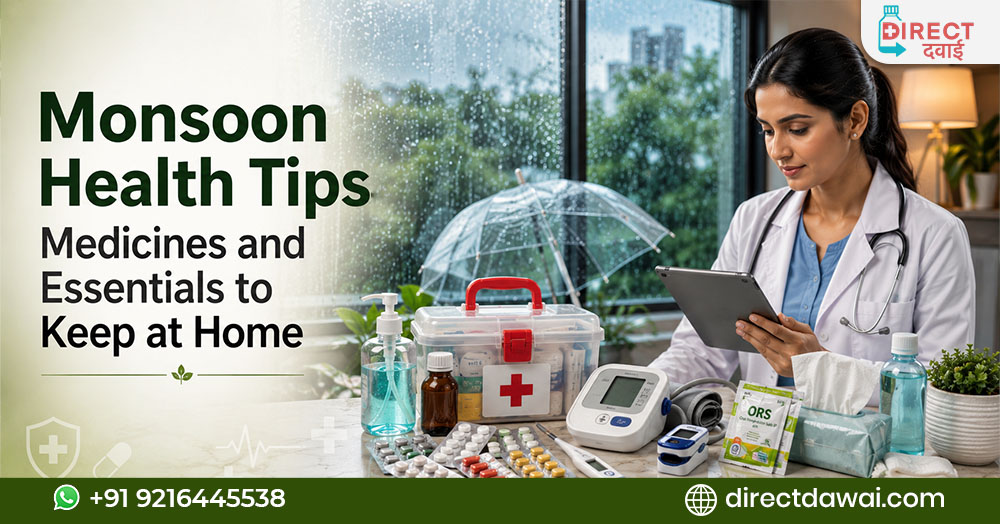
Monsoon Health Tips: Medicines and Essentials to Keep at Home
What Health Problems Are Common During Monsoon?
The monsoon brings relief from the heat, but it also brings a wave of health issues. And that’s why here's what you need to watch out for:
|
Health Issue |
Why it may become a concern during monsoon |
|
Cold, cough, and fever |
Respiratory infections can spread between people, while fever can have many different causes. |
|
Dehydration and diarrhea |
Unsafe food or water can cause diarrhea, while fluid loss can lead to dehydration. |
|
Mosquito-borne illnesses (Dengue, Malaria, Chikungunya) |
Rain and stagnant water can create breeding sites for mosquitoes that spread diseases such as dengue and malaria. |
|
Waterborne diseases (Typhoid, Cholera, Hepatitis A) |
Contaminated food or drinking water can increase the risk of certain infections. |
|
Fungal skin infections |
Humidity, sweat, and prolonged exposure to damp clothing can encourage fungal growth. |
|
Minor cuts and injuries |
Wet, slippery surfaces can increase the risk of falls and minor injuries. |
Monsoon Essentials: Medicines and First-Aid Supplies to Keep at Home
You do not need to fill your cupboard with medicines just because the monsoon has arrived. A small, well-organised home first aid kit is well enough for many minor problems and everyday needs. Because the idea is simple. Keep basic medicines, first-aid supplies, and a few monsoon essentials ready, while avoiding medicines that should only be used after medical advice.
Medicines for Common Symptoms
Like, for a basic home medicine kit, you may consider keeping:
-
A suitable fever or pain-relief medicine (Paracetamol (Crocin, Paracip 650))
-
Appropriate OTC medicines for cold and cough (Sinarest)
-
For allergies, sneezing, and hives (Alerid)
-
Regular prescription medicines used by family members
-
Any medicine specifically recommended by your doctor
But before taking any over-the-counter medicine,
-
Read the label carefully.
-
Check out the overall ingredients, the dosage you need to take, and whether it is suitable for your age or not.
-
Also, don’t take two cold, cough, or fever medicines together.
It’s because they may contain the same active ingredient, so if you take both, it could just mean taking more dosage than needed. And when it comes to kids, never just give them your adult medicines or doses. Children often need completely different meds or amounts based on their exact age and weight. So always read the label carefully or double-check with a doctor first to be 100% sure.
First-Aid Kit Essentials
Along with medicines, your monsoon first-aid kit needs a few basic supplies to quickly handle small cuts, scrapes, and minor injuries, like
-
Adhesive bandages
-
Sterile gauze
-
Medical tape
-
Suitable antiseptic (Dettol, Savlon, Cipladin Solu)
-
Disposable gloves
-
Clean scissors
Keep everything together in a clean, dry spot so you can instantly grab what you need during an emergency.
Monsoon-Specific Essentials
However, some items can be particularly useful during the rainy season, like
-
ORS sachets for situations involving fluid and electrolyte loss
-
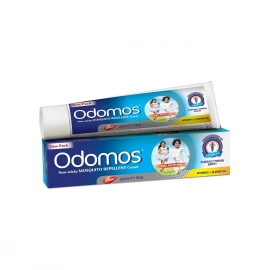
Mosquito repellent to reduce mosquito bites (Odomos cream)
-
Mosquito nets or window screens where appropriate
-
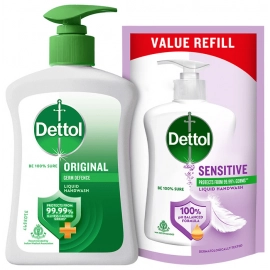
Hand sanitizer (Dettol Original Liquid Handwash)
-
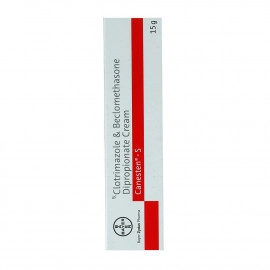
Antifungal cream (Candid B Cream, Canesten Cream)
But while you are preparing for all of this, remember, preparation does not mean self-medicating for every symptom. Your essential medicines for home should mainly cover common, minor needs and regular medicines already prescribed to you.
What Should You Not Stock Up On?
More medicines do not necessarily mean better preparation. That’s why don’t buy antibiotics, prescription medicines, or medicines meant for specific infections simply to keep them “just in case.” Antibiotics, for example, do not treat viral infections and should not be taken without appropriate medical advice. And the same rule applies to unexplained fever, severe diarrhea/loose motion, suspected dengue or malaria, and other symptoms that may need a proper diagnosis. Because a good home medicine kit should help you respond safely rather than replacing medical care.
Cold, Cough and Fever During Monsoon: What Should You Keep Ready?
Then, there are cold, cough, and fever, which are common reasons people reach for their medicine box during the rainy season. But these symptoms can have many different causes, so the goal should be simple symptom care while watching for signs that something more serious may be happening. So, here’s how you can do that-
For Cold and Cough
For mild symptoms, you can just rest, take adequate fluids, and get enough sleep. These are enough to help you recover. Still, if you need medicines for cold and cough, choose an appropriate product according to your symptoms and follow the label.
As with OTC medicines for cold and cough, remember:
-
Read the active ingredients before taking the medicine.
-
Follow the recommended dose.
-
Check age restrictions.
-
Don't combine multiple products without checking their ingredients.
-
And be extra careful when choosing medicines for children.
If the cough becomes severe, breathing becomes difficult, or symptoms continue to worsen, don't keep adding medicines at home. Seek medical advice. Also, to know which medication will work best for you, you can also read our blog on the best medicines for cold, cough, and fever.
For Fever
A thermometer should be one of the most useful items in your home medicine kit. It can help you monitor temperature rather than relying only on how warm someone feels. This is because a suitable medicine for fever may help reduce discomfort when used according to its label or a healthcare professional's advice. Along with this, focus on rest and adequate fluid intake. But remember: fever is a symptom, not a diagnosis.
What About Viral Fever?
Then, you’ve probably heard people say “viral fever” whenever someone develops a fever during the monsoon. But it’s not actually a specific illness or diagnosis. It simply means the fever you have is all because of a viral infection, which can vary from person to person. So, don’t just think that every fever during monsoon is viral. And if the symptoms are getting worse, like the fever is high, keeps coming back, lasts longer than expected, then it is suggested to go to a doctor rather than just treating yourself.
You may also like: Best Fever Medicine in India for Adults & Kids
ORS for Dehydration: When Is It Useful?
Then, there is another health issue that occurs during monsoon- dehydration, especially with diarrhea and vomiting. So, let’s understand what exactly it is and how ORS cures it.
What Dehydration Looks Like
-
Dry mouth and lips
-
Less frequent urination or dark yellow urine
-
Dizziness or lightheadedness
-
In children: fewer tears when crying, sunken eyes, or not passing urine for 6+ hours
What ORS Does
ORS for dehydration can help replace fluids and electrolytes lost during conditions such as diarrhea or vomiting. Then, if you keep ORS at home, prepare it exactly according to the instructions on the packet. Do not guess the amount of water needed. It can help manage fluid loss, but it does not treat the underlying cause of diarrhea or vomiting.
When Dehydration Requires Medical Attention
-
If you can't keep fluids down
-
Symptoms worsen despite ORS
-
There's blood in stool
-
The person is confused or lethargic
-
Has repeated vomiting
-
Is passing very little urine
-
Is getting worse despite drinking fluids
-
Has signs of severe dehydration
How to Prevent Dengue, Malaria and Other Mosquito-Borne Illnesses
Rain can leave stagnant water in buckets, coolers, flower pots, rooftops and other containers. These areas can become breeding sites for mosquitoes. And that is what makes mosquito protection an important part of dengue prevention and malaria prevention during the rainy season. But if you take the following steps, you can prevent it-
-
Use a suitable mosquito repellent according to its label.
-
Wear full-sleeved clothing when practical.
-
Use mosquito nets or window screens.
-
Empty containers where rainwater has collected.
-
Keep stored water covered.
-
Clean water-holding containers regularly.
-
Avoid leaving stagnant water around your home.
Does mosquito repellent prevent dengue?
However, there is still a question that comes often: “Does mosquito repellent prevent dengue?” So, the answer is that Mosquito repellent can help reduce mosquito bites and therefore reduce exposure to mosquitoes that may carry disease. However, it does not treat dengue and cannot guarantee that you will not become infected. That’s why don't assume every fever is dengue or malaria. If you develop a persistent or concerning fever, get medical advice rather than starting medicines on your own.
How to Prevent Waterborne Illnesses: Monsoon Hygiene Tips
Now, while we are talking about monsoon problems, we should not leave this part of the discussion as well- how to prevent us from waterborne illnesses. So, for that, here are some of the monsoon hygiene tips you can follow-
Follow these everyday habits:
-
Drink safe and clean water.
-
Wash your hands before eating and after using the toilet.
-
Wash fruits and vegetables properly.
-
Eat freshly prepared food when possible.
-
Keep cooked food covered.
-
Don’t eat food or drink water when you are unsure about its safety.
-
Keep kitchen surfaces and utensils clean.
-
Dispose of waste properly.
-
Do not allow stagnant water to collect around your home.
These basic rainy season precautions are easy to follow and can reduce avoidable exposure to food- and water-related infections.
How to Prevent Fungal Skin Problems During Monsoon
Then, if we talk about this, hot and humid weather can also leave your skin damp, particularly around the feet, groin, and other skin folds. And this one is a common rainy season health complaint which is called fungal infection during monsoon. So, how can you avoid this? For this, you can simply follow these practical monsoon hygiene tips:
-
Keep skin folds (between toes, under breasts, groin area) completely clean and dry
-
Swap out damp clothes right away, especially soggy socks and shoes
-
Towel-dry your feet thoroughly after washing, taking extra care between your toes
-
Avoid sharing towels, clothes, or personal items with anyone
-
Stick to loose, breathable cotton outfits that let your skin breathe
-
Dab on a reliable anti-fungal cream if you spot any redness, itching, or peeling skin
Meanwhile, if a rash spreads, keeps bouncing back, hurts, or refuses to heal, definitely get it checked by a doctor. Based on your condition, they can prescribe the right anti-fungal tablet to help you recover safely and quickly.
You may also like: Skin Infection Treatments: Creams, Ointments, & Tablets Explained
When Should You See a Doctor Instead of Treating Yourself at Home?
Now, here is the ultimate question: "When should you skip DIY remedies and visit a clinic?" Truth is, home care has its limits. Watch out for these serious warning signs:-
-
Sudden difficulty in breathing
-
Extreme dehydration (unable to retain liquids, no urination)
-
A high or worsening fever (especially if it lasts over 3 days)
-
Dizziness, confusion, or passing out
-
Severe vomiting or diarrhea (or blood in your stool)
-
Intense, unmanageable pain (headaches, stomach cramps, or body aches)
-
Heavy or unusual bleeding
-
Symptoms that keep getting worse despite rest
Quick Home Medicine Kit Checklist
Before the heavy rains actually hit, take five minutes and run through this simple checklist.
Medicines
☐ Basic fever and pain-relief tablets – Paracetamol is your best friend here
☐ Trusted cough and cold remedies – Whatever works for your family
☐ ORS sachets – Those little packets are lifesavers when diarrhea strikes
☐ Regular prescription medicines – Don't forget what your family takes daily
First-Aid Supplies
☐ Working digital thermometer – Because guessing "he feels hot" isn't helpful
☐ Adhesive band-aids – For those small cuts and scrapes
☐ Sterile gauze pads – For bigger wounds that need proper covering
☐ Roll of medical tape – To keep gauze in place
☐ Antiseptic liquid or ointment – Dettol, or anything like that, pick what you like
☐ Clean disposable gloves – Basic hygiene when treating someone else
Monsoon Essentials
☐ Mosquito repellent – Spray or roll-on, whichever you prefer
☐ Mosquito net or window screens – Keeps the bugs out while you sleep
☐ Hand sanitizer – Pocket-sized, so you can carry it everywhere
☐ Everyday hygiene essentials – Soap, tissues, whatever your family uses
One Final Check Before Storing
Okay, you've gathered everything. Now do one last check-
-
Check expiry dates on every single strip or bottle – expired medicine is useless (or worse, harmful)
-
Make sure packaging is intact and undamaged – no torn strips or broken seals
-
Read storage instructions – some medicines need cool places, some need room temperature
-
Look for signs of moisture damage, leaks, or heat exposure – if something looks weird, toss it
Important: Always store medicines in their original boxes with the labels clearly visible. Keep everything in a cool, dry cabinet, not in the bathroom, not near the kitchen stove, and way out of children's reach. Because kids are curious, and medicine bottles look like candy to them.
Conclusion
So, with all the discussion overall, we could say that monsoon preparation doesn't have to be complicated. Just keep the basics ready, know how to use them, and don't turn your medicine box into a mini pharmacy. Your essential medicines for home should cover everyday needs, while your first-aid supplies, ORS, and mosquito protection can help you deal with common rainy-season concerns.
At the same time, simple habits like safe drinking water, clean hands, dry clothes, and proper food hygiene can go a long way. But remember, a home medicine kit is there to help you handle minor problems, not to replace a doctor. When something feels serious or keeps getting worse, go get medical advice without any delays. And if you want to prepare genuine medicines for your monsoon first-aid kit, you can order them through Direct Dawai, the trusted online pharmacy with the fastest medicine delivery in Jaipur.
FAQs
-
What are 10 items in a first aid kit?
Ten useful items should include
-
a thermometer
-
adhesive bandages
-
sterile gauze
-
medical tape
-
Antiseptic
-
disposable gloves
-
Scissors
-
ORS sachets,
-
cotton or wound-cleaning supplies,
-
and a suitable pain or fever-relief medicine.
-
What to pack for monsoon season?
Keep a trusty umbrella or raincoat, waterproof boots, mosquito repellent, clean drinking water, basic meds, ORS, a thermometer, and a stocked first-aid kit handy. And just make sure your medicines stay completely dry and safe from dampness.
-
How does the rainy season affect your health?
It creates the perfect storm for viral fevers, tummy bugs from dirty water, annoying fungal rashes, and mosquito troubles like dengue or malaria.
-
What precautions should I take for food and hygiene during the rainy season?
Sip only safe, boiled or filtered water, wash your hands often, stick to hot home-cooked meals, scrub your fruits and veggies well, and say a temporary goodbye to street food.
-
How can I boost my immunity during the monsoon?
The truth is, no single "superfood" can instantly improve your immunity overnight. What actually works is doing the simple basics right- eating well-balanced meals, getting good sleep, moving your body daily, keeping your hands clean, and staying well-hydrated. Getting your timely vaccines gives your body that extra layer of defense, too. You can also consider Vitamin C or herbal options like Dabur Giloy Ghanvati to lend a hand.
-
Should you keep antibiotics at home?
Definitely not. They don't do a single thing for viral fevers. Popping them randomly without a real reason just trains bacteria to resist them later on, which can get scary fast. Save antibiotics for when a doctor genuinely tells you that you need one.
Medical Disclaimer
This blog is purely for awareness, not action without thought. The medicines and remedies mentioned here are general suggestions, not personalised advice. Please talk to your doctor before taking any new medication, especially if you're pregnant, nursing, or have underlying health issues. In case of emergency, go for immediate medical attention. Do not delay treatment based on information read here.
Sources
https://www.sprintdiagnostics.in/blog/basic-monsoon-health-tips-and-precautions-to-stay-healthy-during-rainy-season
https://www.sterlinghospitals.com/blogs/why-emergency-preparedness-matters-during-monsoon