Best Fever Tablets in India: Medicine Name List & Uses

List of Fever Medicine in India
-
Paracetamol: First choice for fever (safe and widely used)
-
Ibuprofen: Best for fever with body pain and inflammation
-
Aceclofenac + Paracetamol: For inflammation-related fever (adults)
-
Paracetamol Drops/Syrup: For infants and children
-
Ibuprofen + Paracetamol Syrup: Faster relief in kids (as advised)
What is Fever?
Fever is the body’s natural defense response to infection, illness, or inflammation. It occurs when the body temperature rises above the normal range of about 98 - 100°F. This increase in temperature is not a disease itself but a sign that your immune system is actively fighting harmful germs.
What Are the Common Signs of a Fever?
Fever often comes with several noticeable symptoms that indicate your body is fighting an infection. The most common signs include:
-
High body temperature (above 100°F)
-
Chills or shivering
-
Headache or heaviness in the head
-
Body and muscle pain
-
Weakness or fatigue
-
Excessive sweating
-
Loss of appetite
-
Dehydration due to fluid loss
-
Feeling hot and cold alternately
Best Fever Medicine Based on Condition
|
Condition |
Best Medicine |
|
Mild fever |
Paracetamol |
|
Fever with body pain |
Ibuprofen |
|
High fever |
Paracetamol (doctor consultation if persistent) |
|
Fever in children |
Paracetamol drops/syrup |
|
Fever with inflammation |
Aceclofenac + Paracetamol |
What are the Common Reasons for Fever in India?
Fever usually develops as the body’s natural defense mechanism against illness. In India, several common factors can trigger a rise in body temperature:
-
Infections: Viral infections like cold and flu, and bacterial infections such as typhoid or urinary infections are leading causes of fever.
-
Immune response: The body increases its temperature to fight germs more effectively and slow their growth.
-
Inflammation: Internal inflammation, injuries, or infections can lead to fever.
-
Seasonal changes: Sudden weather changes often cause viral fever due to reduced immunity.
-
Post-vaccination: Mild fever may occur after vaccination as the body builds protection.
-
Underlying conditions: Certain chronic or autoimmune diseases may also cause recurring fever.
-
Dehydration or heat exposure: Excessive heat and lack of fluids can raise body temperature.
Medicines Used for Fever: What You Should Know
Paracetamol-based medicines like T-98 DROP (for children) or combination syrups like MAGADOL SYP are commonly used for fever relief.
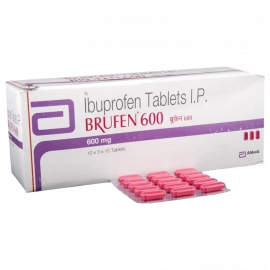
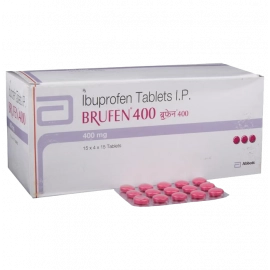
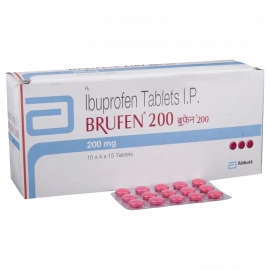
For high fever or severe discomfort, a doctor may recommend medicines such as BRUFEN 200 / 400 (Ibuprofen) or other suitable options after checking symptoms and identifying the reason behind the fever.
Even though these medicines are easily available, they should always be taken in the correct dose. Do not take higher doses or continue fever medicines for many days without medical advice, as this may affect the liver, kidneys, or stomach.
For children, always follow the exact pediatric dosage mentioned. If the fever does not reduce after a dose, consult a doctor instead of repeating the medicine immediately.
Important: Aspirin should not be given to children because it may cause serious complications.
List of Common Generic Medicines Used for Fever
Generic medicines contain the same active ingredients as branded medicines and work in the same way. The only differences are the brand and prices. Many people hesitate to choose generic options, but when taken in the correct dose, they are safe and effective.
At Direct Dawai, you can find quality medicines that contain commonly used fever salts like Paracetamol and Ibuprofen. Below is a simple guide to commonly used fever medicines and how they are generally prescribed.
|
Generic Medicine Name |
Correct Doses* |
Main Use |
Important Notes |
|
Paracetamol (Available as T-98 DROP, MAGADOL SYP) |
500–650 mg every 4–6 hours (Max 3,000 mg/day unless advised) |
Reduces fever and mild pain |
Safest fever medicine when taken in correct dose |
|
Ibuprofen (Available as BRUFEN 200 / 400 / 600) |
200–400 mg every 6–8 hours (Max 1,200 mg/day OTC) |
Fever with body pain or inflammation |
Take after food to avoid stomach irritation |
|
Aceclofenac + Paracetamol (Available as ALDIGESIC P) |
As prescribed by doctor |
Fever with inflammation |
Not for small children |
|
Ibuprofen + Paracetamol (Available as MAGADOL SYP) |
As per pediatric or adult dosage |
Faster relief in fever with pain |
Follow exact dosage instructions |
Note: Dosage is different depending on age, weight, and medical condition. Always consult a doctor before starting any fever medicine.
When Should You Take Medicine for a Fever?
-
When body temperature rises above 100 to 101°F and causes discomfort.
-
When fever is accompanied by headache, body pain, chills, or weakness.
-
When there are signs of dehydration, such as dry mouth or low urine output.
-
When fever affects daily activities or sleep.
-
When the fever lasts for more than 1 to 2 days without improvement.
-
When children develop fever and appear restless or inactive (pediatric options like T-98 DROP or MAGADOL SYP may be used as advised).
-
When adults experience fever with pain, medicines like BRUFEN 200 / 400 may help if taken correctly.
-
When elderly individuals or patients with existing medical conditions develop a fever.
-
Seek immediate medical help if the fever is very high, keeps returning, or is associated with breathing difficulty, severe pain, confusion, rashes, or persistent vomiting.
How Generic Fever Medicines Work and When to Use Them
Fever can occur due to infections, inflammation, or other medical conditions. Different medicines help reduce body temperature and relieve associated symptoms like headache, body pain, or swelling.
Below are the commonly used fever medicines and when they are generally used.
Paracetamol
(T-98 DROP, MAGADOL SYP)
Paracetamol works by reducing the production of certain chemicals in the brain that raise body temperature and cause pain.
What it does: Lowers fever and relieves mild pain such as headache and body ache.
Best for: Mild to moderate fever caused by viral or bacterial infections in both adults and children (when taken in the correct dose).
Ibuprofen
(BRUFEN 200 / 400 / 600, and in combination in MAGADOL SYP)
Ibuprofen belongs to the NSAID group and helps reduce fever, inflammation, and pain.
What it does: Lowers fever and reduces swelling, muscle pain, and discomfort.
Best for: Fever with body pain, throat pain, or inflammation. It should be taken after eating food so as to avoid stomach irritation.
Aceclofenac + Paracetamol
(ALDIGESIC P)
This combination provides severe pain and inflammation relief along with fever reduction.
What it does: Reduces fever and inflammation-related pain.
Best for: Adults experiencing fever with joint pain or inflammatory conditions, under medical advice.
Best Fever Tablet Recommendations in India from Direct Dawai
|
Medicine Name |
Used In |
Composition |
|
BRUFEN 200 |
Mild to moderate fever & body pain |
Ibuprofen 200 mg |
|
BRUFEN 400 |
Fever with muscle pain & inflammation |
Ibuprofen 400 mg |
|
BRUFEN 600 |
High fever with severe pain (as prescribed) |
Ibuprofen 600 mg |
|
MAGADOL SYP |
Fever in children with pain |
Ibuprofen + Paracetamol |
|
T-98 DROP |
Fever in infants & young children |
Paracetamol Drops |
|
ALDIGESIC P |
Fever with inflammation (adults) |
Aceclofenac + Paracetamol |
These medicines should always be taken in the correct dosage based on age, weight, and medical advice. If fever persists or worsens, consult a healthcare professional for proper evaluation.
Best Tablets for Fever Relief in India
Choosing the right fever tablet depends on the intensity of the fever and symptoms like headache, body pain, or inflammation. Here are the effective fever tablets made with trusted generic salts that provide reliable relief when taken as advised.
BRUFEN 400 Tablet
Ibuprofen 400 mg Tablet
A commonly used tablet for fever with body pain and inflammation.
Salt Composition: Ibuprofen 400 mg
What it does: Lowers fever and reduces muscle pain, swelling, and discomfort. Best taken after food to avoid stomach upset.
BRUFEN 200 Tablet
Ibuprofen 200 mg Tablet
Suitable for mild to moderate fever and general body aches.
Salt Composition: Ibuprofen 200 mg
What it does: Helps reduce fever and mild pain such as headache and muscle ache.
BRUFEN 600 Tablet
Ibuprofen 600 mg Tablet
Used for higher fever or more severe pain when prescribed by a doctor.
Salt Composition: Ibuprofen 600 mg
What it does: Reduces high fever and provides stronger pain relief. Should be used only under medical advice.
ALDIGESIC P Tablet
Aceclofenac + Paracetamol Tablet
A combination tablet for fever associated with inflammation.
Salt Composition: Aceclofenac + Paracetamol
What it does: Helps lower fever while reducing inflammation-related pain and discomfort in adults.
Always follow the correct dosage instructions and consult a healthcare professional if fever persists for more than a few days.
What to Do in These Special Situations
Some fever situations require extra care and should not be handled with routine self-medication. In such situations, it is essential to seek appropriate medical advice.
|
Situation |
What You Should Do |
|
Fever in babies (under 3 months) |
Consult a doctor immediately. Even mild fever at this age can indicate a serious infection. Do not give medicines like T-98 DROP or any syrup without medical advice. |
|
Fever with recent travel history (malaria, dengue risk) |
Do not rely only on medicines like BRUFEN 400 or other fever tablets. Get proper blood tests done to identify dengue, malaria, or other infections before starting treatment. |
|
Fever during pregnancy |
Take medicines only if the doctor advises. Paracetamol-based options may be advised in safe doses, but avoid Ibuprofen tablets such as BRUFEN 400 / 600 unless your doctor approves. |
|
Fever after vaccination |
Mild fever is common and usually temporary. Pediatric options like T-98 DROP may be used as advised along with fluids and rest. If fever is high or lasts more than 2 days, consult a doctor. |
Best Fever Medicine for Children in India
Fever in children should always be managed with age-appropriate medicines and the correct dosage based on weight. The medicines below are commonly used for kids and help reduce fever safely when taken as directed by a doctor.
|
Medicine Name |
Used In |
Composition |
|
Parazex Drops |
Fever in infants |
Paracetamol 100 mg/ml Drops |
|
Parazex XT Syrup |
Fever in children |
Paracetamol 250 mg/5 ml Suspension |
|
Parazex Pediatric Suspension |
Mild fever relief in kids |
Paracetamol 125 mg/5 ml |
|
Ibuprol Plus Suspension |
Fever & pain in kids |
Ibuprofen 100 mg + Paracetamol 125 mg/5 ml |
Important Tips for Parents:
-
Always check the child’s weight-based dosage before giving medicine.
-
Use a measuring spoon or dropper, not a household spoon.
-
Avoid combining multiple fever medicines unless advised by a doctor.
-
See a doctor immediately if the child is below 3 months, has seizures, persistent vomiting, rashes, or fever lasting more than 2 days.
Injection for Fever in India
Fever injections are generally used when oral medicines are not effective, when the patient is vomiting, or when there is a need for hospitalization.
Below are commonly used fever injections:
|
Injection Name (Generic) |
Use |
|
Paracetamol Injection |
Reduces fever and relieves mild to moderate pain |
|
Diclofenac Sodium Injection |
Manages fever, pain, and inflammation |
|
Ibuprofen Injection |
Treats fever and inflammation-related pain |
Note: Fever injections should only be used under professional supervision. Always consult a qualified doctor for fever injections.
Best Antibiotics for Fever (Only for Bacterial Infections)
Antibiotics are used only for bacterial infections. Note that antibiotics are not used to treat antibiotics. Most viral fevers recover with rest, fluids, and paracetamol.
Doctors prescribe antibiotics based on the infection type, dose, and duration. Wrong or incomplete use can cause complications and antibiotic resistance.
Below are commonly prescribed antibiotics for bacterial infections associated with fever:
-
Amoxicillin: Used for respiratory tract infections and certain bacterial fevers.
-
Azithromycin: Effective for throat, chest, and some bacterial infections.
-
Cefixime: Commonly used in typhoid fever and urinary tract infections.
-
Levofloxacin: Prescribed for respiratory and gastrointestinal infections.
-
Doxycycline: Used for tick-borne infections, some respiratory infections, and skin infections.
-
Ciprofloxacin: Often prescribed for typhoid fever and UTIs.
-
Metronidazole: Effective against anaerobic bacterial and certain parasitic infections.
Note: Never self-medicate with antibiotics. Always consult a qualified doctor before starting any antibiotic treatment. Wrong treatment can increase the seriousness of the condition.
Side Effects and Safety of Fever Medicines
Fever medicines are generally safe when taken in the correct dose, but misuse, overdose, or improper use can lead to side effects and health risks. Understanding proper usage helps prevent complications.
Common Side Effects
-
Stomach upset, nausea, or acidity
-
Mild liver issues (especially with excessive paracetamol use)
-
Stomach irritation (more common with ibuprofen)
Safety and Precautions
-
Take only the recommended or prescribed dose
-
Do not increase the dose to reduce fever faster
-
Avoid combining multiple fever medicines without medical advice
-
Use medicines for a short duration unless advised by a doctor
-
For children, always use a proper measuring device for syrups or drops
Caution in Certain Conditions
-
People with liver disease should avoid high doses of paracetamol
-
Those with kidney problems or stomach ulcers should be cautious with ibuprofen
-
Individuals with medicine allergies should consult a healthcare professional before use
-
Extra care is needed for children, elderly, and pregnant women
When to Seek Medical Help
-
If fever lasts more than 2–3 days
-
If symptoms worsen or new symptoms appear
-
If there are signs of overdose or unusual reactions
Safety Guidelines for Using Fever Medicines
Using fever medicine correctly helps control temperature safely and reduces the risk of side effects. Follow these important guidelines:
-
Take only the prescribed or recommended dose of fever medicine.
-
Do not increase the dose to reduce fever faster, as this may cause harm.
-
Avoid mixing different fever medicines (for example, combining multiple painkillers) without medical advice.
-
Use fever medicines for a short duration unless a doctor advises longer treatment.
-
For children, always measure syrup or drops carefully using the proper measuring device.
-
If the fever worsens, lasts more than 2 to 3 days, or new symptoms appear, check with a doctor immediately.
What to Avoid During Fever
During fever, the body needs proper rest and hydration to recover faster. Certain habits and foods can slow down recovery or worsen symptoms.
|
What to Avoid |
Why It May Worsen Fever |
|
Skipping fluids |
Dehydration can increase body temperature and cause weakness or dizziness. Drink water, ORS, or clear fluids regularly. |
|
Fried or spicy foods |
These can irritate the stomach and make digestion difficult during illness. |
|
Very cold drinks or ice |
May trigger throat irritation or chills in some people. |
|
Heavy physical activity |
Lack of rest can delay recovery and increase fatigue. |
|
Self-medication misuse |
Taking medicines like BRUFEN 400 or other fever tablets without proper guidance may mask symptoms or cause side effects. |
When and What to Do
Fever care depends on how long it lasts and how severe it is. This simple guide can help you decide when home care is enough and when medical attention is needed.
|
Fever Timeline |
What to Take / Do |
|
First 6–12 hours |
Take rest and drink plenty of fluids to prevent dehydration. |
|
Mild fever (below 38°C / 100.4°F) |
If uncomfortable, medicines like Paracetamol (T-98 DROP for children) may be used in the correct dose. |
|
Persistent fever (24–48 hours) |
Regular monitoring is needed. Medicines such as BRUFEN 200 / 400 may be used as advised. |
|
High fever (above 39°C / 102°F) |
Visit a doctor. Medicine dosage may need adjustment. |
|
Fever lasting 3 days or more |
Proper medical evaluation and tests may be required to identify the cause. |
If the fever becomes severe or is associated with serious symptoms, seek medical care immediately.
Situations Where You Should Be Careful with Fever Medicines
Fever medicines are generally safe when used correctly, but certain health conditions require extra caution:
-
Liver problems: Avoid high or frequent doses of paracetamol, as it may increase the risk of liver damage.
-
Stomach ulcers or acidity: NSAIDs like ibuprofen or aspirin can worsen stomach irritation and may cause bleeding.
-
Kidney disease: Ibuprofen and similar medicines should be avoided or used only under medical supervision.
-
Heart problems or high blood pressure: Some NSAIDs may increase cardiovascular risk; see a doctor before use.
-
Children and teenagers: Aspirin should be avoided, especially during viral fever, due to the risk of serious complications.
-
Pregnancy: Fever medicines should only be taken after medical advice to ensure safety for both mother and baby.
If you have any chronic medical condition or are taking other medications, always consult a healthcare professional before using fever medicines.
Simple Home Care Steps to Recover Faster from Fever
Along with fever medicines, proper home care helps the body recover faster and reduces discomfort. Follow these simple steps:
-
Stay hydrated: Drink plenty of water, soups, coconut water, or oral rehydration fluids.
-
Take adequate rest: Proper sleep supports the immune system.
-
Eat light meals: Choose easy-to-digest, nutritious foods like khichdi, soups, fruits, and boiled vegetables.
-
Wear comfortable clothing: Use loose, breathable clothes if you are not experiencing chills.
-
Keep the room ventilated: Stay in a cool, well-aired environment.
-
Use a lukewarm sponge bath: This can help reduce high fever safely.
-
Monitor temperature regularly: Check every 4 to 6 hours if fever is present.
-
Seek medical advice: Talk to a doctor if the fever lasts more than 2 to 3 days, becomes very high, or new symptoms appear.
Proper care at home, along with the right medicine, can speed up recovery and prevent complications.
Conclusion
Fever is common and usually manageable with proper care. Using the best fever medicine like paracetamol or ibuprofen in the correct dose helps reduce discomfort. Rest, hydration, and light food support faster recovery. If the fever is high, persistent, or accompanied by unusual symptoms, seek timely medical advice for safe treatment.
Disclaimer: The information in this article is for informational purposes only. This article is not a substitute for a doctor’s advice. If the fever is not improving, consult a doctor immediately.
Frequently Asked Questions
Q1. Which is the best medicine for a fever?
Ans. Paracetamol is generally considered one of the best medicines for reducing fever. It helps lower body temperature and relieve body pain with minimal stomach irritation when taken in the correct dose. Ibuprofen is another effective option, especially if fever is accompanied by inflammation or body aches.
Q2. Which paracetamol is best for fever?
Ans. Any standard paracetamol tablet with the correct strength (such as 500 mg for adults) works effectively for fever. The “best” option is one taken in the right dose based on age and health condition. Always follow dosage instructions or get a doctor's appointment for children and seniors.
Q3. What is the quick tablet for fever?
Ans. Paracetamol is commonly used for quick relief from fever. It usually starts working within 30 to 60 minutes. In some cases, ibuprofen may also provide fast relief, especially when fever is associated with pain or inflammation.
Q4. What tablet is good for high fever?
Ans. For high fever, paracetamol is often recommended as the first choice. If the fever is very high or persistent, a doctor may suggest ibuprofen or further evaluation to identify the underlying cause. Avoid self-medicating for prolonged or severe fever.
Q5. What is the fastest way to cure a fever?
Ans. The fastest way to manage a fever is to take the correct dose of paracetamol, stay well hydrated, and get adequate rest. Drinking fluids, wearing light clothing, and using a lukewarm sponge bath can also help reduce body temperature. If the fever does not improve within 2 to 3 days or becomes severe, seek medical advice.
Q6. Which Medicine is Best for Fever?
Ans. For most adults, medicines containing Paracetamol are commonly considered the best option for reducing fever and body pain. It is widely used because it works effectively and is generally gentle on the stomach when taken in the correct dose. In some cases, doctors may also recommend Ibuprofen for fever with inflammation or body aches.
Q7. Which Medicine is Best for Viral Fever?
Ans. For viral fever, Paracetamol is usually the first-choice medicine to manage fever, headache, and body pain. Viral infections generally improve with rest, hydration, and supportive care rather than antibiotics. Some doctors may also suggest Ibuprofen if there is severe body pain or inflammation.