Best Diabetes Medicines in India- Sugar Tablet Names, Uses & Prices

In this guide, I will explain to you the best diabetes medicines in India, common sugar tablet names, their uses, prices, side effects, and important safety tips so you can understand your treatment better and make informed decisions. Let’s get started!
Quick Summary
-
Metformin is the most commonly prescribed diabetes tablet.
-
Insulin is required for Type 1 diabetes.
-
Combination medicines help improve sugar control.
-
Diabetes treatment depends on blood sugar levels and overall health.
-
Always take diabetes medicines as per the doctor’s instructions
What is Diabetes?
Diabetes is a very common lifestyle related health condition in which the human body either does not produce enough insulin or cannot use insulin effectively. Insulin is a hormone that helps to move the sugar (glucose) from the blood into the body’s cells for energy.
When insulin does not work properly, blood sugar levels rise. If diabetes is left untreated or if it worsens, then it can lead to long-term complications that affect the heart, kidneys, eyes, and nerves.
What Are Diabetes Medicines?
Diabetes medicines are used to control high blood sugar levels in people with diabetes. These medicines help the body produce more insulin, improve insulin action, or reduce sugar levels in the blood. Some medicines also help remove extra glucose through urine.
Diabetes treatment may include oral tablets, insulin injections, or combination medicines depending on the type and severity of diabetes. Along with medicines, healthy eating, regular exercise, and blood sugar monitoring are also important for proper diabetes management.
Taking diabetes medicines correctly can help prevent complications like kidney problems, nerve damage, heart disease, and vision issues. Always take these medicines with the consultation of the doctor.
Types of Diabetes Medicines
Diabetes medicines are mainly divided based on the type of diabetes and how the medicine works in the body. Some medicines are taken as tablets, while others are given through insulin injections.
Understanding these types can help patients know why a particular medicine is prescribed to them.
Type 1 Diabetes Medicines
In Type 1 diabetes, the body does not produce insulin. Because of this, patients need insulin therapy every day to survive and maintain normal blood sugar levels.
Common treatment options for type 1 diabetes: Short-acting insulin, Long-acting insulin, Premixed insulin like HUMAN MIXTARD 50, Insulin pens, and injections
People with Type 1 diabetes also need regular blood sugar monitoring and proper meal planning for better diabetes control.
Type 2 Diabetes Medicines
Type 2 diabetes is the most prevalent form of diabetes in India. In this condition, the body continues to produce insulin, but it fails to use it effectively.
Most patients with Type 2 diabetes are treated with:
-
Sugar tablets
-
Oral diabetes medicines
-
Combination medicines
-
Sometimes insulin in advanced cases
Common Type 2 diabetes tablets: Metformin, Glimepiride, Gliclazide, and Dapagliflozin
Doctors usually start the treatment of patients by changing their lifestyles and oral medicines. If blood sugar levels remain high, the doctor may add additional medicines or insulin later.
Gestational Diabetes Medicines
Gestational diabetes happens during pregnancy when blood sugar levels become high. In many cases, it can be controlled with a healthy diet, light exercise, and regular sugar monitoring.
However, some pregnant women might need insulin therapy if they cannot naturally manage their blood sugar levels.
Doctors carefully select diabetes medicines during pregnancy to ensure the safety of both the mother and baby. Self-medication should always be avoided during this time.
Diabetes Medicine Classification
Diabetes medicines are classified based on how they help control blood sugar levels in the body. Each type of medicine works differently, and doctors choose them according to the patient’s sugar levels, age, lifestyle, and overall health condition.
Here are the most commonly used diabetes medicine classes in India:
1. Biguanides
Biguanides help in reducing the sugar production in the liver and improve the body’s response in insulin. They are typically the first line medications recommended for Type 2 diabetes.
Common Example: Metformin
Benefits:
-
Helps control blood sugar levels
-
Improves insulin sensitivity
-
May support mild weight control
-
Lower risk of sudden low sugar
2. Sulfonylureas
These medicines help the pancreas release more insulin to lower blood sugar levels. They are commonly used when Metformin alone does not provide enough sugar control.
Common Examples: Glimepiride and Gliclazide
Benefits:
-
Effective for reducing high blood sugar
-
Helps control fasting and post-meal sugar levels
Note: These medicines may sometimes cause low blood sugar if meals are skipped.
3. DPP-4 Inhibitors
DPP-4 inhibitors help the body release more insulin after meals and reduce extra sugar production in the liver. These medicines are commonly used in combination with Metformin.
Common Examples: Sitagliptin, Linagliptin, Vildagliptin
Benefits:
-
Helps control post-meal sugar spikes
-
Lower risk of hypoglycaemia
-
Usually well tolerated
4. SGLT2 Inhibitors
These medicines remove excess sugar from the body through urine. They are becoming very popular for Type 2 diabetes management in India.
Common Examples: Dapagliflozin and Empagliflozin
Benefits:
-
Helps lower blood sugar
-
May support weight management
-
Can help some patients with heart-related risks
5. Insulin Therapy
Insulin therapy is required when the body cannot produce enough insulin naturally or when oral diabetes medicines are no longer enough to control sugar levels.
Common Types: Short-acting insulin, Long-acting insulin, Premixed insulin
Benefits:
-
Provides strong blood sugar control
-
Essential for Type 1 diabetes
-
Helpful in advanced Type 2 diabetes cases
The choice of diabetes medicine should always be based on a doctor’s advice. Taking the wrong medicine or dosage can lead to serious health complications.
How Diabetes Medicines Work in the Body
Different diabetes medicines control blood sugar in different ways. Some medicines help the body produce more insulin, while others improve how insulin works or remove extra sugar from the body.
Understanding how these medicines work can help patients better manage their diabetes treatment and use medicines more safely.
|
Mechanism |
What It Does |
Common Medicines |
|
Increases insulin release |
Helps the pancreas release more insulin |
Glimepiride, Gliclazide |
|
Reduces sugar production |
Lowers extra glucose production in the liver |
Metformin |
|
Improves insulin sensitivity |
Helps the body use insulin more effectively |
Metformin, Pioglitazone |
|
Removes excess sugar through urine |
Flushes extra glucose out of the body |
Dapagliflozin, Empagliflozin |
|
Delays sugar absorption |
Slows down sugar rise after meals |
Voglibose |
|
Replaces insulin directly |
Provides insulin to the body |
Human Insulin |
Most diabetes patients are prescribed a combination of healthy lifestyle changes and medicines for better blood sugar control. Doctors may also combine two or more medicines when a single tablet does not work effectively.
For example:
-
Metformin is often combined with Glimepiride for stronger sugar control.
-
DPP-4 inhibitors like Sitagliptin are commonly used with Metformin to manage post-meal sugar spikes.
-
Insulin may be added in advanced diabetes cases.
The effectiveness of diabetes medicines also depends on:
-
Taking medicines on time
-
Following a healthy diet
-
Regular exercise
-
Proper sleep
-
Regular blood sugar monitoring
Skipping medicines or taking incorrect doses can make blood sugar levels unstable and increase the risk of diabetes complications over time.
Sugar Tablet Names List in India
There are many diabetes tablets available in India for managing Type 2 diabetes and controlling high blood sugar levels. Some medicines are prescribed alone, while others are given as combination tablets for better sugar control.
Below is a simple diabetes medicine list that includes commonly used sugar tablets and their drug classes.
|
Medicine Name |
Drug Class |
Common Use |
|
Metformin |
Biguanide |
Improves insulin sensitivity and lowers sugar production |
|
Glimepiride |
Sulfonylurea |
Increases insulin release from the pancreas |
|
Gliclazide |
Sulfonylurea |
Helps control post-meal blood sugar |
|
Sitagliptin |
DPP-4 Inhibitor |
Improves insulin release after meals |
|
Linagliptin |
DPP-4 Inhibitor |
Helps manage blood sugar in Type 2 diabetes |
|
Vildagliptin |
DPP-4 Inhibitor |
Controls blood sugar levels after meals |
|
Dapagliflozin |
SGLT2 Inhibitor |
Removes excess sugar through urine |
|
Empagliflozin |
SGLT2 Inhibitor |
Helps lower blood sugar and supports heart health |
|
Pioglitazone |
Thiazolidinedione |
Improves insulin sensitivity |
|
Voglibose |
Alpha-Glucosidase Inhibitor |
Slows sugar absorption after meals |
|
Human Insulin |
Insulin Therapy |
Replaces insulin in the body |
Many doctors also prescribe combination diabetes tablets because they work in multiple ways together. These combinations help improve blood sugar control more effectively than single medicines.
Some commonly used combination tablets include:
-
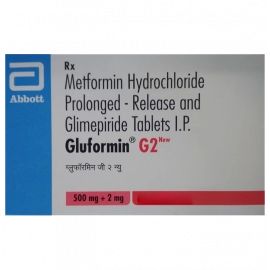
Glimepiride + Metformin like GLIMER M2 and GLUFORMIN-G 2
-
Sitagliptin + Metformin
-
Dapagliflozin + Metformin
-
Voglibose + Metformin
The best diabetes medicine varies from person to person. A medicine that works well for one patient may not be suitable for another. That is why doctors consider the following factors before recommending any sugar tablet or insulin treatment.
Best Diabetes Tablets With Prices in India
The price of diabetes medicines in India can vary depending on the brand, salt composition, and type of treatment. Today, many affordable generic diabetes medicines are available that offer good sugar control without putting too much burden on long-term treatment costs.
Here are some commonly used diabetes tablets and insulin medicines in India along with their approximate prices.
|
Tablet Name |
Salt Composition |
Best For |
Approx. Price |
|
Metformin 500 mg |
Metformin |
Newly diagnosed Type 2 diabetes |
₹10–₹30 |
|
Glimepiride 2 mg |
Glimepiride |
Controlling fasting blood sugar |
₹20–₹50 |
|
Gliclazide + Metformin |
Gliclazide + Metformin |
Post-meal sugar control |
₹80–₹150 |
|
Sitagliptin + Metformin |
Sitagliptin + Metformin |
Type 2 diabetes with high post-meal sugar |
₹60–₹180 |
|
Dapagliflozin 10 mg |
Dapagliflozin |
Sugar control with weight management support |
₹70–₹200 |
|
Dapagliflozin + Metformin |
Dapagliflozin + Metformin |
Advanced Type 2 diabetes management |
₹100–₹250 |
|
Glimepiride + Metformin |
Glimepiride + Metformin |
Combination sugar control therapy |
₹50–₹150 |
|
Voglibose + Metformin |
Voglibose + Metformin |
Managing post-meal glucose spikes |
₹90–₹180 |
|
Human Insulin Injection |
Human Insulin |
Type 1 and advanced Type 2 diabetes |
₹170–₹350 |
*Prices may vary depending on the brand, dosage, and pharmacy location.
Today, many doctors also recommend generic diabetes medicines because they contain the same active salts as branded medicines but are available at more affordable prices. These medicines can help patients continue long-term diabetes treatment without spending excessively.
However, diabetes medicines should never be selected only based on price. The right medicine depends on:
-
Blood sugar levels
-
Type of diabetes
-
Age and weight
-
Kidney and liver health
-
Other medical conditions
Always consult a doctor before starting or changing any diabetes tablet or insulin medicine.
Common Diabetes Medicines Explained
Different diabetes medicines work differently in the body. Some help increase insulin release, while others improve insulin sensitivity or decrease excess sugar production. Combination medicines like GLYMAT are often prescribed to manage post-meal blood sugar spikes effectively. Here are some of the most commonly prescribed diabetes medicines in India:
1. Metformin
Metformin is one of the most commonly used diabetes tablets for Type 2 diabetes. Medicines like GLUFORMIN XL 1000 are commonly prescribed for long-term blood sugar management. It is usually the first medicine doctors prescribe after diagnosis.
What does it do?
-
Reduces sugar production in the liver
-
Helps the body use insulin better
-
Controls blood sugar levels steadily
Best For:
-
Newly diagnosed Type 2 diabetes patients
-
Long-term diabetes management
-
Overweight diabetes patients
Common Side Effects:
-
Stomach upset
-
Nausea
-
Mild diarrhoea
Metformin is commonly preferred because it usually does not cause sudden low blood sugar when taken correctly.
2. Glimepiride
Glimepiride is a part od a medicine group known as sulfonylureas. It helps the pancreas release more insulin into the body.
What does it do?
-
Lowers fasting and post-meal sugar levels
-
Improves blood sugar control quickly
Best For:
-
Patients whose sugar is not controlled with Metformin alone
-
Combination diabetes therapy
Common Side Effects:
-
Low blood sugar
-
Sweating
-
Dizziness
-
Increased hunger
Patients using Glimepiride should not skip meals, as skipping meals could raise the risk of hypoglycaemia.
3. Sitagliptin
Sitagliptin is a DPP-4 inhibitor commonly prescribed with Metformin for better blood sugar control.
What does it do?
-
Increases insulin release after meals
-
Reduces extra sugar production
-
Helps control post-meal glucose spikes
Best For:
-
Type 2 diabetes patients
-
Patients needing combination treatment
Common Side Effects:
-
Mild headache
-
Cold-like symptoms
-
Stomach discomfort
This medicine is generally considered well-tolerated in many patients.
4. Dapagliflozin
Dapagliflozin is an SGLT2 inhibitor that removes excess sugar from the body through urine.
What does it do?
-
Lowers blood sugar levels
-
Helps remove extra glucose naturally
-
May support mild weight loss
Best For:
-
Type 2 diabetes
-
Patients with obesity or heart-related risks
Common Side Effects:
-
Frequent urination
-
Dehydration
-
Urinary infections in some patients
Doctors may recommend drinking enough water while taking this medicine.
5. Human Insulin
Human insulin injections like HUMAN ACTRAPID 40IU are commonly used for Type 1 diabetes and advanced Type 2 diabetes management.
What does it do?
-
Directly controls blood sugar levels
-
Helps move glucose into body cells
Best For:
-
Type 1 diabetes
-
Advanced Type 2 diabetes
-
Very high blood sugar levels
Common Side Effects:
-
Low blood sugar
-
Sweating
-
Weakness
-
Weight gain in some cases
Insulin should always be taken exactly as prescribed by the doctor. Proper storage and timing are also very important for safe and effective diabetes management.
Insulin vs Tablets: Which is Better for Diabetes?
Many diabetes patients often wonder whether insulin or diabetes tablets are better for controlling blood sugar levels. The answer depends on the type of diabetes, blood sugar levels, age, lifestyle, and overall health condition.
Both insulin and oral diabetes medicines are effective when used correctly under medical supervision.
|
Factor |
Insulin |
Diabetes Tablets |
|
Best For |
Type 1 and advanced Type 2 diabetes |
Mostly Type 2 diabetes |
|
How It Works |
Replaces insulin directly |
Helps the body control sugar naturally |
|
Method of Use |
Injection or insulin pen |
Oral tablets |
|
Speed of Action |
Works quickly |
Gradual and steady effect |
|
Ease of Use |
Requires careful monitoring |
Easier for daily use |
|
Risk of Low Sugar |
Higher risk in some cases |
Lower risk depending on medicine |
|
Long-Term Management |
Needed in severe diabetes cases |
Common for early and moderate diabetes |
When Are Diabetes Tablets Preferred?
Doctors usually prescribe sugar tablets first for people with Type 2 diabetes because they are:
-
Easy to take
-
Convenient for daily use
-
Effective in early diabetes stages
-
Helpful for long-term sugar control
Medicines like Metformin, Glimepiride, and Sitagliptin are commonly used for this purpose.
When Is Insulin Needed?
Insulin may be required when:
-
Blood sugar levels become very high
-
Oral medicines stop working properly
-
A person has Type 1 diabetes
-
Diabetes complications increase
-
Sugar levels remain uncontrolled for a long time
Some patients may also temporarily require insulin during:
-
Surgery
-
Severe illness
-
Pregnancy
-
Hospitalisation
Which Option Is Better?
There is no single “best” diabetes treatment for everyone. Some patients manage well with tablets for many years, while others may eventually need insulin support.
The most important goal is maintaining stable blood sugar levels safely and preventing long-term complications. Doctors may even prescribe both insulin and tablets together in some cases for better diabetes control.
Side Effects of Diabetes Medicines
Diabetes medicines are generally safe when taken correctly, but like all medicines, they can sometimes cause side effects. The type of side effect depends on the medicine, dosage, eating habits, and overall health condition of the patient.
In many cases, side effects are mild and improve as the body adjusts to the medicine. However, patients should never ignore unusual symptoms.
Here are some common side effects of diabetes medicines:
|
Side Effect |
Commonly Seen With |
|
Low blood sugar (Hypoglycaemia) |
Glimepiride, Insulin |
|
Nausea or stomach upset |
Metformin |
|
Diarrhoea |
Metformin |
|
Dizziness or sweating |
Sulfonylureas, Insulin |
|
Frequent urination |
Dapagliflozin |
|
Mild weight gain |
Insulin, Sulfonylureas |
|
Weakness or tiredness |
Some combination medicines |
Signs of Low Blood Sugar
Low blood sugar is one of the most important side effects that diabetes patients should know about. It can happen when you skip your meal, or when medicine doses are too high, or when you perform exercise excessively without proper food intake.
Common Symptoms of low blood sugar: Sweating, Shaking, Hunger, Fast heartbeat, Dizziness, Weakness
If blood sugar drops suddenly, patients should immediately consume sugar, glucose tablets, fruit juice, or a sweet snack and seek medical advice if symptoms continue.
How to Reduce Side Effects of Diabetes Medicines
Patients can lower the chances of side effects by following a few simple precautions:
-
Take medicines exactly as prescribed
-
Never skip meals
-
Drink enough water
-
Monitor blood sugar regularly
-
Avoid self-adjusting medicine doses
-
Inform the doctor about other medicines being used
People with kidney, liver, or heart issues should be careful when using diabetes medicines, as some people may need dosage changes.
If any side effect becomes severe or continues for a long time, it is important to consult a doctor immediately instead of stopping the medicine suddenly.
How to Choose the Right Diabetes Medicine
Choosing the right diabetes medicine is very important for maintaining stable blood sugar levels and preventing future health complications. Doctors usually recommend diabetes medicines after carefully checking the patient’s overall health condition, lifestyle, and sugar levels.
Here are some important factors that help decide the right diabetes treatment:
1. Type of Diabetes
The treatment depends mainly on whether the person has type 1 diabetes, type 2 diabetes, or gestational diabetes. People with Type 1 diabetes usually require insulin therapy, while many Type 2 diabetes patients can initially manage with sugar tablets and lifestyle changes.
2. Blood Sugar Levels
Very high blood sugar levels may require combination diabetes tablets, stronger medicines, or insulin support in some cases. Patients with mild or newly diagnosed diabetes are often started on medicines like Metformin.
3. Age and Lifestyle
Doctors also consider patients’ daily routine, physical activity, eating habits, and work schedule to examine which type of sugar medicine is best for them.
4. Kidney, Liver, and Heart Health
Some diabetes medicines may not be suitable for people with kidney disease, liver problems, or heart conditions. In such cases, doctors choose safer alternatives or adjust medicine doses carefully.
5. Weight Management Needs
Certain diabetes medicines may support mild weight loss, while others can lead to weight gain in some patients. For overweight patients, doctors may prefer medicines like Metformin and Dapagliflozin. This is so because they may help improve sugar control without causing major weight gain.
6. Long-Term Affordability
Diabetes treatment is usually long-term, so affordability also matters. Many patients today prefer generic diabetes medicines because they provide effective treatment at lower prices compared to expensive branded medicines.
However, medicines should never be selected only based on cost. When it comes to health, safety, and suitability are more important than the price factor.
Importance of Doctor’s Advice
Diabetes medicines should always be taken under medical supervision. Self-medication or changing medicines without proper guidance can increase the risk of:
-
Uncontrolled blood sugar
-
Low sugar episodes
-
Kidney complications
-
Other serious health problems
Regular check-ups and blood sugar monitoring help doctors adjust treatment whenever needed for better diabetes management.
Tips to Manage Diabetes Along With Medicines
Managing diabetes is not only about taking sugar tablets or insulin on time. Healthy daily habits also play a major role in keeping blood sugar levels stable and preventing complications in the future.
1. Follow a Healthy Diet
A balanced diet helps control blood sugar more effectively. Try to reduce sugary foods, soft drinks, and junk food. Include more vegetables, fibre-rich foods, and whole grains in your meals. Eating food on time is equally important, especially for people taking diabetes medicines.
2. Exercise Regularly
Daily physical activity enhances the body’s insulin absorption better. Simple exercises like walking, cycling, yoga, or light workouts for at least 30 minutes a day can improve blood sugar control and overall fitness.
3. Monitor Blood Sugar Levels
Regular blood sugar monitoring helps track whether medicines are working properly. Doctors may advise checking fasting sugar, post-meal sugar, or HbA1c levels regularly.
4. Take Medicines on Time
Always follow the prescribed dosage and avoid skipping medicines. Taking diabetes tablets at the same time daily helps maintain stable sugar levels.
5. Maintain a Healthy Lifestyle
Drink enough water, maintain a healthy weight, avoid smoking and excess alcohol, and go for regular health check-ups. These small habits can greatly improve long-term diabetes management and overall health.
Conclusion
To manage diabetes in a proper way, you need the right combination of medicines, lifestyle changes, and regular monitoring. With so many diabetes medicines available in India, this guide must have helped you choose the best medicines for diabetes.
At Direct Dawai, we aim to make diabetes care more accessible by offering trusted medicines, transparent pricing, and reliable guidance. Always consult your doctor before taking any diabetes tablet. Also, stay consistent with your treatment for good long-term health.
Note: All the information in this blog is for informational purposes only. Always consult your doctor and do not take medicines on your own, because only a doctor knows how severe your health condition is.
Frequently Asked Questions(FAQs)
Q1. Which medicine is best for diabetes?
There is no single best diabetes medicine for everyone because treatment depends on blood sugar levels, type of diabetes, age, and overall health condition. For Type 2 diabetes, doctors commonly prescribe Metformin as the first treatment. Other medicines like Glimepiride, Sitagliptin, or insulin may also be recommended based on individual sugar control needs.
Q2. Which tablet is commonly used for Type 2 diabetes?
Metformin is the most commonly used tablet for Type 2 diabetes in India. It helps lower sugar production in the liver and improves insulin sensitivity. Doctors may also prescribe combination tablets like Metformin with Glimepiride or Sitagliptin when blood sugar levels are not controlled with a single medicine alone.
Q3. What are the 5 common anti-diabetic medicines?
Some commonly used anti-diabetic medicines in India include Metformin, Glimepiride, Gliclazide, Sitagliptin, and Human Insulin. These medicines help control blood sugar in different ways, such as improving insulin action, increasing insulin release, or reducing glucose production in the body for better diabetes management.
Q4. What is the safest diabetes medicine?
Metformin is considered one of the safest diabetes medications for many patients with Type 2 diabetes when taken under medical supervision. It has a lower risk of causing sudden low blood sugar compared to some other medicines. However, the safest medicine can vary depending on kidney health, age, and other medical conditions.
Q5. What medicine is used when Metformin alone does not work?
If Metformin alone does not control blood sugar properly, doctors may add medicines like Glimepiride, Sitagliptin, Dapagliflozin, or insulin therapy. Combination treatment is commonly used in Type 2 diabetes to improve blood sugar control and reduce the risk of long-term diabetes complications.