
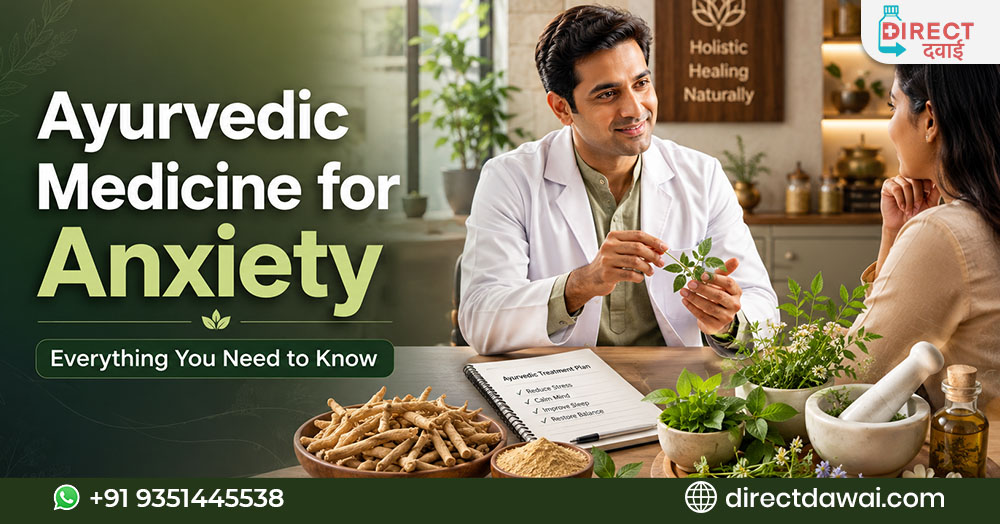
Ayurvedic Medicine for Anxiety: Everything You Need to Know
What Is Anxiety and How Does Ayurveda View It?
Today, anxiety is the new normal for people living busy lives with no time for themselves and their family members. In fact, data tracked by the World Health Organization (WHO) shows that hundreds of millions of people globally struggle with anxiety disorders. That is a massive number. But Ayurveda does not just look at the numbers.
It looks at your body's energy. According to Ayurvedic principles, anxiety-like symptoms are often associated with an imbalance in “Vata dosha”, which governs movement, communication, and nervous system activity in the body.
More specifically, Anxiety is more like your body's alarm system. It is that "fight or flight" feeling. But when you have anxiety, that alarm goes off even when there is no real danger. Your chest gets tight. Your mind races. Modern life puts a lot of pressure on us, but Ayurveda looks at this problem differently. It does not just look at your brain. It looks at your whole body and your daily routine to find out why the alarm is broken.
Common Symptoms of Anxiety
So, how do you know if what you are feeling is actual anxiety? Look for these daily signs like-
What happens in your mind and chest (The Nervous System)
-
A tight, heavy feeling in your chest
-
A heart that beats fast even when you are sitting still
-
Thoughts that will not stop looping in your head
-
Trouble falling asleep because your body feels wired
-
A feeling of panic in crowded places
-
Difficulty remembering or concentrating on things
How it drains your physical body (The High Vata Signs)
-
A sudden feeling of dehydration or dry mouth when stressed
-
Persistent dryness in your lips, hair, skin, and cracking joints
-
Loss of vitality, feeling too tired even when you haven’t done much work
-
Disrupted body rhythms, which can show up as sudden weight imbalances
-
In the case of girls and women, hormonal stress can lead to an absent flow or irregular periods
Also Read: Period Delay Tablets: How They Work, Side Effects & Important Facts
But to truly understand why this happens, we have to look deeper than just our thoughts. In Ayurveda, your body is driven by three energies- Vata, Pitta, and Kapha. Anxiety is almost always a Vata imbalance. Vata is the energy of wind and movement. When your Vata gets too high, it is like a fan turned up to maximum speed. Your mind spins, your hands shake, and you feel completely ungrounded.
Because Vata is inherently cold, dry, and erratic, that’s why a Vata-driven anxiety doesn't just stay in your head, it leaves physical footprints across your body, such as-
-
Chronically dry lips, skin, hair, or cracking joints.
-
A constantly dry mouth or feelings of sudden dehydration.
-
Disrupted internal rhythms, which can show up as digestion issues or irregular menstrual cycles in women.
Ayurvedic Medicines for Anxiety and Stress Relief
Now, to calm that Vata energy, Ayurveda involves some traditional roots and herbs that naturally ground you. These are not quick fixes, but they build your strength back up over time. Here are the top ones you should know about-
|
Herb / Remedy |
How It Works According to Ayurvedic Tradition |
|
Ashwagandha |
This is the most famous herb for stress. It lowers your cortisol levels and helps your body adapt to pressure. |
|
Brahmi |
Think of Brahmi as food for your brain. It helps cool down the hot, racing thoughts in your mind while improving your focus. |
|
Jatamansi |
If your anxiety keeps you awake at night, this herb can be incredible. It acts like a natural sedative to help you get deep sleep. |
|
Tulsi (Holy Basil) |
This is considered a natural stress fighter. Drinking Tulsi water can clear mental fog. It gently brings your racing heart rate down. |
|
Shankhapushpi |
This herb is more like a massage for your brain. It can calm your nerves and stop overthinking, so you can focus on what matters. |
|
Amla (Indian Gooseberry) |
Anxiety burns out your energy, and Amla can help cool you down. It gives your body the Vitamin C and adaptogenic effect it generally needs to repair stress damage. |
|
Lavender |
Just smelling this oil can stop your panic wave. Put a few drops on your pillow, and you will likely see that it directly calms your nervous system. |
|
Chamomile Tea |
This is usually considered a classic bedtime drink for a reason. A warm cup tells your tight muscles to relax. |
|
Rose |
In Ayurveda, rose cools the heart. If anxiety makes you feel hot and frustrated, rose water brings instant relief to your body and mind. |
|
Warm Milk with Honey & Turmeric |
This is an old-school remedy. Turmeric reduces inflammation in the body, and warm milk relaxes your muscles. |
What Is the Best Ayurvedic Medicine for Anxiety?
Now, if you want the best Ayurvedic medicine for anxiety, among the many Ayurvedic herbs used for stress management, Ashwagandha is one of the most widely studied and commonly recommended options. It has the most real-world proof behind it and does not make you sleepy. It may help support resilience to stress and promote a greater sense of calm in some individuals.
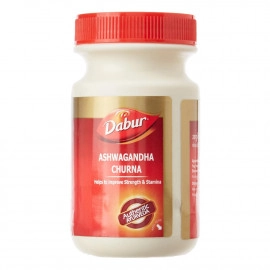
Ashwagandha contains compounds that are believed to support the body's stress response and may help maintain healthy cortisol levels. To explore this further under professional guidance, you can also look into traditional options like “Ayurvedic Churna” and “Ashwagandharishta” (a liquid fermented preparation).
Can Ayurveda Cure Anxiety Permanently?
So, let us be very honest, no medicine can guarantee to cure anxiety permanently. But with Ayurveda, you can manage its symptoms well. It’s because it has already helped many people achieve that with its combination of herbal roots and herbs, natural relaxation practices, personalised care, and normal lifestyle changes.
Still, some people may experience fewer anxiety symptoms over time, it all depends on the body type and how well you follow these Ayurvedic practices. To achieve outcomes on time, you have to do your part. You have to fix your sleep and food habits. You need to ensure that your environment is aligned with your healing journey.
Lifestyle Habits That May Support Anxiety Relief
Herbs alone cannot serve the purpose of calming down the wind, especially if you keep adding more stress to your day. So, to keep Vata grounded, you have to look at your physical habits-
-
Eat Warm, Grounding Foods- Because Vata is cold and dry, raw salads and cold drinks can actually worsen anxiety. Switch to warm, cooked meals like soups, stews, and khichdi with a dollop of ghee.
-
The Power of Warm Oil (Abhyanga)- Massage your feet and scalp with warm sesame oil or any oil that suits you before bed. This will send an immediate signal to your nervous system that you are safe and there is nothing to worry about.
-
Fix Your Sleep Anchor- Going to bed at a different time every night disturbs Vata. Try sleeping by 10:00 PM. The hours before midnight are critical for nervous system repair.
-
Sensory Fasting- Turn off your screens at least one hour before bed. The endless scrolling and blue light mimic the chaotic, erratic energy of wind, leaving your mind spinning while you try to sleep.
When Should You Seek Professional Help?
Ayurveda is a good and viable companion for managing any type of chronic, daily stress and mild-to-moderate anxiety. But it is important to know your limits, too. You should consider immediate help from a certified mental health professional or doctor if-
-
Your anxiety causes unbearable panic attacks that cannot be handled by you
-
It is hard for you to leave your house or go for basic tasks like working or bathing.
-
Your racing thoughts turn into severe feelings of despair, hopelessness, or self-harm.
-
Natural remedies do not provide relief after several weeks of disciplined use you need.
But remember, seeking therapy or psychiatric support is not a failure, it is simply another way of honoring your body's call for help.
Conclusion
So, with the overall discussion around anxiety, we can say that living with anxiety is more like fighting a storm every day. But rather than just relying on heavy pills to find peace, you can use an Ayurvedic medicine for anxiety. It can help you to heal gently, but give it time, eat well, sleep deeply, and you will get the calm you desire.
Moreover, for effective Ayurvedic medicines online, you can order through Direct Dawai, the trusted online pharmacy with the fastest doorstep delivery.
|
Disclaimer- This blog is for educational purposes only and not a replacement for professional medical advice. So, please consult a doctor or certified ayurvedic practitioner before starting any new herbal supplements or ayurvedic medicine. |
FAQs
-
What is the best Ayurvedic medicine for anxiety?
Ashwagandha is widely considered the best because it actively lowers stress hormones and helps your body adapt to daily pressure.
-
What is anxiety called in Ayurveda?
In Ayurveda, anxiety is most commonly called by the name of “Chittodvega” (agitation of the mind/consciousness).
-
Which Ayurvedic herbs are commonly used for anxiety support?
To naturally soothe a fried nervous system, the most trusted go-to herbs are Ashwagandha, Brahmi, Shankhapushpi, Jatamansi, and Tulsi.
-
Are Ayurvedic medicines for anxiety and stress relief safe?
Yes, they are generally very safe and gentle. However, natural remedies are still powerful and can interact with regular prescriptions, so it's always best to check with a professional first.
-
How long does Ayurvedic treatment for anxiety take to show results?
Herbs do not work in one day. You usually need to take them consistently for 2 to 4 weeks to see real, lasting changes in your stress levels. But still, to cure the nervous system deeply, it can take up to 3 to 6 months of diligent care.
-
Is Ashwagandha helpful for anxiety?
Yes, it is highly helpful. Multiple studies show it significantly reduces cortisol (the stress hormone) and makes people feel much calmer within a few weeks.
-
What are 5 warning signs of anxiety?
Your body usually signals for help through a racing heart, a heavy chest, sleepless nights, constant overthinking, and feeling suddenly winded or dizzy out of nowhere.
Sources
https://pmc.ncbi.nlm.nih.gov/articles/PMC11305454/pdf/f1000research-12-173733.pdf#4#1
https://www.saumya-ayurveda.com/post/ayurvedic-approach-to-taming-ptsd-and-anxiety
https://sgrh.com/blog/top-10-ayurvedic-remedies-for-stress-relief-





Leave your comment
Note: HTML is not translated!