
Period Delay Tablets: Uses, Timing, Side Effects & Safety

Quick Answer: Period Delay Tablets
In this guide, we will break down the following:
-
What are period delay tablets
-
How these tablets work
-
When to use them
-
What to watch out for
-
Types of period delay medicines
So you can make informed and safe choices without getting into risk.
What Are Period Delay Tablets?
These tablets are hormonal medicines that are used by women to postpone their menstrual cycle for a short time. They are commonly prescribed when women want to delay their periods for any reason, whether they are travelling, at weddings, or fasting. They usually contain a synthetic form of the hormone progesterone, which helps control the timing of your cycle.
In a natural cycle, your period starts when progesterone levels drop. Period delay medicines keep these hormone levels steady, which prevents the uterus from shedding its lining, thereby delaying your period. Once you stop taking the tablets, hormone levels fall, and your period typically begins within a few days.
Period-delay medicines are often confused with birth control pills, but they are not the same thing. While both involve hormones, medicine to delay period is used short-term and specifically for postponement, not regular contraception.
It’s important to understand that these tablets are meant for occasional use, not a routine solution. Taking them without proper guidance or too frequently can disrupt your natural cycle.
For those who are having their first period, read the first period guide for teens for a detailed understanding of what happens during your first period.
Period-delay medicines such as norethisterone are intended to be started before the expected period. Starting after bleeding has begun may not reliably stop the period. If your period has already started, ask a doctor or pharmacist about the appropriate option rather than changing the dose yourself.
What If Your Period Has Already Started?
Period-delay medicines should not be assumed to provide contraception. Norethisterone used to postpone menstruation does not prevent pregnancy, so
appropriate contraception is still needed if pregnancy is not desired.
How Do Period Delay Tablets Work?
They work by maintaining progesterone hormone levels in the body, which prevents the uterus from shedding its lining and delays your period. Once you stop taking the tablets, hormone levels drop, and your period usually begins within a few days.
-
They contain synthetic progesterone (commonly norethisterone)
-
They stop the natural hormone drop that triggers periods
-
They delay menstruation only while you are taking them
-
Periods typically start within 2 to 5 days after stopping
Timing matters. For norethisterone, official prescribing information states that treatment for period postponement is started 3 days before the expected period. However, the exact timing may vary based on your cycle, so it’s always safer to consult a doctor before use.
Types of Menstruation Delay Tablets
They are mainly hormone-based medicines used to temporarily postpone menstruation. The type of tablet depends on your health condition, cycle pattern, and doctor’s advice.
Norethisterone Tablets (Most Common)
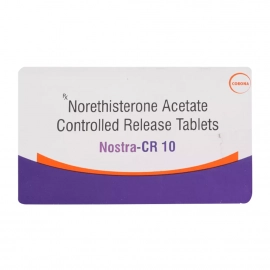
Norethinsterone is one of the most common menstrual delay medicines available in online pharmacy stores like Direct Dawai. It contains synthetic progesterone. It is commonly prescribed for delaying periods. The tablet is typically taken 3 to 5 days before your expected period date and is continued until you want to delay menstruation.
Combined Oral Contraceptive Pills
Another category includes combined hormonal pills (similar to birth control pills). These medicines contain both estrogen and progesterone. In some cases, doctors may advise continuing active pills without taking the placebo break to skip or delay periods. This medicine is suitable only if you are already on birth control.
Progesterone-Only Pills
There are also progesterone-only tablets that may be used in certain cases, especially when estrogen is not suitable for the patient. These medicines for period delay are prescribed more cautiously and based on individual health conditions. It is not a first choice for general use.
From my experience, many women search for a general “medicine to delay period,” but the right choice is not one-size-fits-all. Factors like irregular cycles, hormonal imbalance, or conditions like PCOS can influence which tablet is safe for you.
It’s important to avoid over-the-counter or repeated use without guidance, as incorrect selection or dosage can lead to cycle disturbances or unwanted side effects.
When Should You Take Period Delay Tablets?
You should take period delay tablets a few days before your expected period date for them to work effectively. The exact timing depends on the medicine, but for most commonly used tablets like norethisterone, doctors usually recommend starting 3–5 days before your period is due.
-
Start before your period begins (not after bleeding starts)
-
Take the tablet at the same time every day
-
Continue until you want to delay your period
-
Stop the tablets to allow your period to start
Once you stop taking the medicine, your period typically begins within 2 to 5 days.
From a medical perspective, timing is critical. If you start too late, the tablets may not work as expected. Also, these medicines are meant for short-term use only, not for regularly delaying periods every month.
If your cycle is irregular or you are unsure about your dates, it is better and safe to consult a doctor before starting any medicine for menstrual delay to avoid unexpected bleeding or failure of the tablet.
Are Period Delay Tablets Safe?
These tablets are generally safe for short-term use when taken under medical guidance. They have been used for years and are considered effective for occasional period postponement. The tablets are safe for most healthy women when used occasionally. These are designed for short term use (a few days to a couple of weeks).
Short-term use of norethisterone for period delay is not expected to cause permanent infertility. If your period does not return after treatment, speak with a healthcare professional and consider whether pregnancy testing is appropriate.
However, safety depends on your individual health condition. These tablets for delaying menstruation are not recommended if you have a history of blood clots. Caution in conditions like uncontrolled high blood pressure or liver issues. The tablets may not be suitable for smokers above 35 years (especially with estrogen based pills).
A key safety concern is using hormonal medicines without appropriate medical guidance or repeating treatment without checking whether it is suitable. Taking these period delay medications repeatedly without guidance can disturb your natural cycle and lead to irregular periods.
If used occasionally and correctly, they are safe. But they should never become a routine habit for managing your cycle.
Medicines Used to Delay Period
Here are the medicines that are used to delay the period:
|
Medicine Name |
Price |
What It Does |
Typical Use / Notes |
|
CRINA NCR 15 (Norethisterone 15 mg) |
₹131.30 |
Delays periods by maintaining progesterone hormone levels, preventing the uterus lining from shedding |
Strong dose, used under doctor supervision for short-term delay |
|
₹60.36 |
Stops or postpones periods when taken before the expected date |
Most commonly prescribed period delay tablet |
|
|
₹215 |
Helps delay menstruation by controlling hormonal changes |
Controlled-release version, may provide steady effect |
|
|
₹492.75 |
Supports hormone balance and may shift period timing |
Mainly used for irregular periods, not first choice for delay |
|
|
₹399 |
Regulates menstrual cycle and supports uterine lining |
Used in hormonal imbalance, limited role in delaying periods |
Side Effects of Period Delay Tablets
Period delay tablets are generally well-tolerated, but like any hormonal medicine, they can cause some side effects, especially if taken without proper guidance or too frequently.
Common Side Effects
-
Nausea or mild stomach discomfort
-
Headache
-
Breast tenderness
-
Bloating or water retention
-
Mood changes (irritability or low mood)
Less Common but Possible
-
Breakthrough bleeding or spotting
-
Delay in the next cycle or temporary irregular periods
-
Reduced or heavier flow in the next period
Rare but Serious (Need Medical Attention)
-
Severe headache or vision problems
-
Chest pain or breathing difficulty
-
Swelling or pain in legs (possible clot risk)
In most cases, period delay tablets' side effects are mild and go away once you stop the medicine. However, repeated use or incorrect dosage can increase the chances of a hormonal imbalance.
Spotting or changes in the timing or flow of the next period can occur after hormonal treatment. If bleeding is heavy, persistent, or unusual, seek medical advice. But if symptoms persist or feel unusual, it’s important to consult a doctor instead of ignoring them.
Who Should Avoid Period Delay Tablets?
Period delay tablets are not suitable for everyone. While they are safe for many women when used occasionally, certain health conditions can increase the risk of complications.
Avoid or Use Only Under Medical Supervision If You Have:
-
History of blood clots (DVT or pulmonary embolism)
-
Liver disease or impaired liver function
-
Uncontrolled high blood pressure
-
Heart-related conditions
-
Migraine with aura
-
Hormone-sensitive conditions (like certain breast issues)
Be Extra Careful If:
-
You smoke and are above 35 years
-
You are overweight or have a sedentary lifestyle
-
You have irregular periods or conditions like PCOS
-
You are already taking hormonal medicines
Pregnancy & Breastfeeding
-
The tablet should not be taken during pregnancy
-
In breastfeeding, use only if advised by a doctor
The biggest mistake is assuming these medications are harmless for everyone. The right medicine for delayed periods depends on your medical history, not just your need to delay periods. If you fall into any of these categories, it is always better to consult a doctor before taking any medicine to delay the period.
Myths vs Facts About Period Delay Medications
There is a lot of confusion around these medications, especially due to half information online. Let’s clear the most common myths with facts.
Myth: Period delay medications are unsafe
Fact: They are generally safe when used occasionally and under medical guidance. Problems usually arise from frequent or unsupervised use.
Myth: They can cause permanent infertility
Fact: There is no evidence that short-term use affects long-term fertility. Your cycle typically returns to normal after stopping the tablets.
Myth: You can take them anytime to stop periods
Fact: Timing matters. These medications need to be started before your period begins. Taking them after bleeding starts won’t stop your period.
Myth: They can be used every month
Fact: These are not meant for regular use. Frequent use can disturb your hormonal balance and lead to irregular cycles.
Myth: All period delay medicines are the same
Fact: Different types of medicine for menstrual delay work differently. The right option depends on your health, cycle, and doctor’s advice.
Many problems can be avoided by understanding how these medicines work, following the prescribed instructions, and checking whether the medicine is appropriate for you. Using them occasionally, the right way, is fine. But people should know that they are not a long-term solution.
Natural Ways to Delay Periods (Do They Work?)
First of all, there are no scientifically proven methods that can delay a period. Many people just blindly follow remedies that are actually myths, like lemon juice, apple cider vinegar, etc. Relying on these may be unreliable or harmful; consulting a healthcare provider for safe options, such as contraceptive pills or prescription medications, is recommended.
Many women look for natural alternatives to medicines that delay periods, especially for one-time situations. However, it is important to be clear: there is no scientifically proven natural method that can reliably delay your period.
Common Methods People Try (Myths in Reality)
|
Method |
How It Is Believed to Help |
Reality Check |
|
Lemon Juice |
Thought to increase acidity in the body and delay menstruation |
No scientific evidence; may only cause acidity or stomach irritation |
|
Apple Cider Vinegar |
Believed to slow down menstrual flow due to its acidic nature |
No proven impact on hormones; results are inconsistent |
|
Gelatin (in water) |
Claimed to temporarily delay periods by affecting hormone signals |
No medical backing; effect (if any) is very short-term and unreliable |
|
Intense Exercise or Diet Changes |
Extreme physical stress may delay ovulation and periods |
Can affect the cycle in some cases, but not a safe or predictable method |
What’s the Reality?
-
These methods are based on anecdotal claims, not medical evidence
-
They may slightly affect your body, but they won’t consistently delay periods
-
In some cases, they can even cause acidity, discomfort, or cycle disturbance
From a medical perspective, your menstrual cycle is controlled by hormones, not by specific foods or home remedies. That’s why medicine to delay periods works, but natural tricks usually don’t give reliable results.
If you absolutely need to postpone your period for an important event, relying on unproven remedies can lead to uncertainty and stress. It’s always safer to choose a medically approved option after proper guidance.
That said, maintaining a healthy lifestyle can help keep your cycle regular, but it won’t act as a guaranteed delay method.
When to See a Doctor?
While period delay tablets are commonly used for short-term needs, there are situations where medical advice becomes important.
Consult a Doctor If:
-
Your period does not start even 7 days after stopping the tablets
-
You experience severe side effects like heavy bleeding, chest pain, or severe headaches
-
You have irregular periods frequently and are considering using tablets often
-
You are unsure about your cycle timing or the correct dosage
-
You have existing health conditions (like PCOS, thyroid issues, or hormonal imbalance)
Also Seek Advice Before Use If:
-
This is your first time using period delay tablets
-
You are planning to delay periods for more than 1 to 2 weeks
-
You are taking other medications that may interact
If you need to delay periods repeatedly, discuss the reason and the safest options with a healthcare professional rather than repeatedly self-medicating. Many women ignore early signs like irregular cycles or unusual symptoms, assuming it’s normal, but that’s when a quick consultation can prevent bigger issues. If something feels off, it’s always better to get clarity instead of guessing.
Final Takeaway
Period-delay medicines can be effective for short-term postponement when the appropriate medicine is used correctly and is suitable for the individual. They work by controlling hormones to temporarily delay your cycle, making them useful for planned events or travel.
-
Best used occasionally, not as a regular habit
-
Start before your expected period date for proper results
-
Mild side effects are possible but usually temporary
-
Not suitable for everyone; medical history matters
Responsible use is the key. These tablets are helpful when needed, but they should not replace proper cycle management or be used frequently without advice.
If you are considering a medicine to delay the period, the safest approach is to understand how it works and use it only when truly necessary.
Medical Disclaimer
Medical information in this article should be reviewed against the current product information and local prescribing requirements before publication.
The content of this blog is for informational and educational purposes only. Don’t treat this blog as a substitute for professional medical advice, as treatment solely depends on diagnosis. Always consult a qualified doctor for the treatment.
Frequently Asked Questions(FAQs)
Q1. Which tablet can delay periods?
Ans. Tablets containing progesterone, especially norethisterone, are most commonly used to delay periods. They are usually started a few days before your expected date and continued until you want to postpone menstruation. The exact medicine and dosage should ideally be decided by a doctor based on your health and cycle.
Q2. Which period delay tablet is best?
Ans. There is no one-size-fits-all answer. Norethisterone-based tablets are widely prescribed for short-term use, but the “best” option depends on your medical history, cycle regularity, and any existing conditions. A doctor can suggest the safest and most suitable choice for you.
Q3. Do period delay pills work?
Ans. Yes, period delay tablets are effective when taken correctly. They work by maintaining hormone levels that prevent the uterus from shedding its lining. However, proper timing is important; starting too late or taking incorrect doses can reduce their effectiveness.
Q4. How many days can I delay my period safely?
Ans. How long a period can be delayed depends on the medicine and your individual circumstances. For norethisterone, professional prescribing guidance allows use for several weeks when clinically appropriate, but the duration should be decided by a healthcare professional.
Q5. When will my period start after stopping the tablets?
Ans. In most cases, your period starts within 2 to 5 days after stopping period delay tablets. This can vary slightly from person to person, and a short delay is generally normal.
Q6. Can I take period delay tablets every month?
Ans. No, these tablets are not meant for regular monthly use. Frequent use can disturb your natural hormonal cycle and may lead to irregular periods or other side effects over time.
Q7. Do period delay tablets affect fertility?
Ans. No, occasional use does not affect long-term fertility. Your cycle typically returns to normal in the next cycle after stopping the medicine.
Q8. Can I take these tablets without a prescription?
Ans. Whether a medicine requires a prescription depends on the specific product and local rules. Because hormonal medicines can have contraindications and interactions, medical advice is recommended before use. Incorrect timing or dosage can reduce effectiveness and increase the risk of side effects.
Reference:
2. NHS Specialist Pharmacy Service. Choosing a medicine to delay periods. Updated 13 May 2025.
3. Electronic Medicines Compendium (emc). Norethisterone 5mg Tablets – Patient Information Leaflet. Updated November 2024. https://www.nhs.uk/conditions/periods/




-150x150.webp "Your First Menstrual Period: Signs, Timeline & Tips Every Teen Should Know")

Leave your comment
Note: HTML is not translated!