Omeprazole Capsule: Uses, Benefits, Dosage, Side Effects & Warnings
You might have also come across terms like “omeprazole capsules IP 20 mg” or searched for “omeprazole uses” online. While the medicine is easily available, many people still have questions like:
-
Why was I prescribed this medicine?
-
Is it safe to take daily?
-
Can it treat all types of stomach pain?
In this guide, we will explain everything in a clear and practical way so you can take this medicine safely and with confidence.
Let’s start by understanding what exactly Omeprazole is.
What is Omeprazole?
Omeprazole is a medicine used to reduce the amount of acid your stomach produces. It belongs to a group of medicines called proton pump inhibitors (PPIs). They are commonly used to treat acid-related problems.
These capsules are available as omeprazole capsules IP 20 mg or 40 mg. They are often prescribed for short-term and long-term stomach issues, though depending on the condition.
Omeprazole works at the root level by blocking the acid-producing pumps in your stomach. This not only gives relief from symptoms like burning and discomfort but also helps in healing the inner lining of the stomach and the food pipe.
Doctors commonly prescribe omeprazole when:
-
Acid production is too high
-
The stomach lining is irritated or damaged
-
Long-term acid control is needed
In simple words, if your stomach is producing more acid than needed, an Omeprazole tablet helps bring it back to normal levels, giving you lasting relief.
What is Omeprazole Used For?
Omeprazole is mainly used to treat conditions caused by excess stomach acid. It not only gives relief from symptoms but also helps in healing damage inside the stomach and the food pipe.
|
Condition |
How Omeprazole Helps |
|
Acidity and Heartburn |
Provides relief from burning sensation in the chest, especially after meals or at night. |
|
GERD (Acid Reflux) |
Helps manage long-term acid reflux where stomach acid flows back into the food pipe. |
|
Stomach and Duodenal Ulcers |
Allows ulcers to heal by reducing excess acid and irritation in the stomach lining. |
|
H. pylori Infection (with antibiotics) |
Used in combination therapy to treat bacterial infection in the stomach. |
|
Zollinger-Ellison Syndrome |
Controls excessive acid production in rare conditions affecting the stomach. |
|
Prevention of NSAID-Induced Ulcers |
Protects the stomach lining in people taking painkillers regularly. |
How Does Omeprazole Work in the Body?
To understand how Omeprazole works, think of your stomach like a factory that produces acid to digest food. Sometimes, this factory produces more acid than needed, which leads to problems like acidity, heartburn, and ulcers.
Omeprazole works by blocking the acid-producing pumps in your stomach. These pumps are responsible for releasing acid, and when they are controlled, the overall acid level goes down.
What happens after you take it?
-
It reduces acid production at the source (not just neutralising it like antacids)
-
Gives relief from symptoms like burning, irritation, and discomfort
-
Helps the stomach lining and the food pipe heal
-
Prevents further damage caused by excess acid
Why does it work better than quick remedies
Unlike antacids that give instant but short-term relief, omeprazole:
-
Takes a few hours to start working
-
Provides long-lasting relief (up to 24 hours)
-
Is more effective for chronic or recurring acidity
In simple words, Omeprazole turns down the acid tap in your stomach, so your body can heal and you feel comfortable again.
List of 5 Popular Omeprazole Medicines
Here is the list of medicines that are pure Omeprazole without containing any other ingredient:
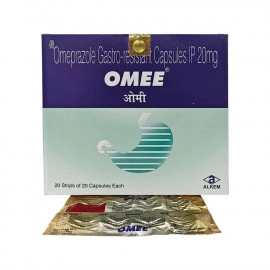
1. OMEE
Contains: Omeprazole 20 mg
Pack Size Available: 20 Capsules
Price: ₹64.29
2. OCID QRS 20
Contains: Omeprazole 20 mg
Pack Size Available: 20 Tablets
Price: ₹97.21
3. OMEZ 20
Contains: Omeprazole 20 mg
Pack Size Available: 20 Tablets
Price: ₹64.20
4. OMEZ 40
Contains: Omeprazole 40 mg
Pack Size Available: 10 Tablets
Price: ₹94.60
5. OMEZ INSTA SACHET
Contains: Omeprazole 20 mg
Pack Size Available: 5.9 gm Sachet
Price: ₹15.82
Omeprazole Combination Medicines
Here are the combination medicines that contain Omeprazole along with other ingredients:
1. OMEE-D
Contains: Domperidone + Omeprazole
Pack Size Available: 20 Tablets
Price: ₹220
2. DORAN-O
Contains: Ondansetron + Omeprazole
Pack Size Available: 10 Tablets
Price: ₹88.97
Why Was I Prescribed Omeprazole?
If your doctor has given you Omeprazole, it’s usually because your symptoms point to excess stomach acid or irritation in the digestive tract. Instead of just treating the symptoms, this medicine helps control the root cause, i.e., high acid production.
Common Reasons Doctors Prescribe Omeprazole
Here are the very common reasons why doctors prescribe this medicine:
|
Frequent acidity or heartburn |
If you feel burning in your chest regularly, especially after meals or at night. |
|
Acid reflux (GERD) |
When acid flows back into the food pipe, it causes discomfort, a sour taste, or coughing. |
|
Stomach or intestinal ulcers |
To help heal the inner lining and prevent further damage. |
|
Use of painkillers (NSAIDs) |
If you take medicines like ibuprofen regularly, omeprazole is given to protect your stomach. |
|
Infection treatment (H. pylori) |
Used along with antibiotics to treat bacterial infection in the stomach. |
|
Long-term acid control |
In cases where your body continuously produces too much acid. |
Doctors don’t usually prescribe omeprazole for simple, occasional acidity. It is mostly recommended when symptoms are frequent or severe. If there is a risk of ulcers or internal damage, then it is recommended. Moreover, doctors can prescribe this medicine if long-term management is needed.
Even though omeprazole is commonly used, you should not take it regularly without medical advice and not for long durations.
Can Omeprazole Treat My Condition?
Omeprazole is effective, but only for problems related to excess stomach acid. It’s important to know whether your symptoms match the conditions this medicine is designed to treat. Let’s understand if Omeprazole treats different conditions:
-
Acidity and Heartburn
Yes, omeprazole works very well for regular acidity and burning sensation in the chest. It reduces acid levels and gives long-lasting relief, especially if symptoms happen frequently.
-
GERD (Acid Reflux)
For people with acid reflux, omeprazole is one of the most commonly prescribed medicines. It helps reduce acid flow into the food pipe and prevents irritation over time.
-
Stomach Ulcers
If you have ulcers in the stomach or intestine, omeprazole helps by reducing acid irritation and allows the ulcer to heal faster.
-
H. pylori Infection (Helicobacter pylori)
Omeprazole is not enough. But if it is combined with antibiotics, it plays a key role in treating H. pylori infection, which is a common cause of ulcers.
When Omeprazole Does Not Benefit
If you have general stomach pain without acidity, gas, bloating, indigestion, food poisoning, infections, or pain-related issues such as cramps, then this medicine might not give relief because the cause is different.
If your problem is due to too much stomach acid, omeprazole can be very effective. But if your symptoms are unrelated to acid, then you may need a different type of treatment.
Benefits of Omeprazole Capsule
Omeprazole is widely used because it not only relieves symptoms but also helps treat the root cause of many acid-related problems. It helps the stomach to heal properly.
|
Benefit |
Explanation |
|
Long-Lasting Acid Relief |
Controls stomach acid production for up to 24 hours, providing sustained relief from heartburn, chest burning, and sour taste. |
|
Effective Acid Control |
Targets the root cause by reducing excess acid production instead of just masking symptoms. |
|
Quick Symptom Relief |
Starts reducing acidity symptoms like heartburn and discomfort within a few days of use. |
|
Promotes Healing of Stomach Lining |
Helps heal ulcers, inflammation, and damage in the stomach and food pipe by reducing acid irritation. |
|
Effective for GERD (Acid Reflux) |
Reduces acid backflow into the food pipe, improving comfort and preventing long-term complications. |
|
Prevents Ulcers from Painkillers (NSAIDs) |
Protects the stomach lining in people who regularly take pain relief medicines. |
|
Supports H. pylori Treatment |
Works with antibiotics to improve treatment success by lowering stomach acid levels. |
|
Prevents Serious Complications |
Lowers the risk of bleeding ulcers and damage to the oesophagus if used properly. |
|
Convenient Once-Daily Dose |
Usually taken once daily, making it simple and easy to follow. |
|
Suitable for Long-Term Use (Doctor-Advised) |
Can be used safely for chronic conditions like GERD under medical supervision. |
Is Omeprazole Meant for Fever or Pain?
No, Omeprazole medicine is not meant for fever or pain relief. It does not treat fever, body pain, headache, muscle pain, joint pain, or infections (except as part of H. pylori treatment). Omeprazole is neither a painkiller nor an antibiotic. The medicine works on reducing only stomach acid.
If you find Omeprazole is given with painkillers like ibuprofen or other painkillers, then this is because painkillers can irritate the stomach lining, and Omeprazole helps protect your stomach from this damage. Also, painkillers may increase the risk of ulcers or acidity. This is why doctors sometimes prescribe Omeprazole with painkillers.
Let's understand it simply:
Painkillers are used to treat pain. Omeprazole protects your stomach from acid damage. They are often used together but for completely different purposes.
If you think Omeprazole will provide relief from fever, headache, and body pain, then do not take it. For these issues, consult a doctor for the right medicine.
What Are the Side Effects of Omeprazole?
Like any medicine, Omeprazole tablets can cause side effects in some people. The good part is that most side effects are mild and temporary, and many people take this medicine without any issues.
Common Side Effects
These are more or less mild and go away on their own:
-
Headache
-
Nausea (feeling like vomiting)
-
Stomach pain
-
Gas or bloating
-
Diarrhoea or constipation
If these symptoms are mild, you can usually continue the medicine, but keep an eye on how you feel.
Serious Side Effects (When to See a Doctor)
Although rare, some side effects need medical attention, such as:
-
Severe stomach pain
-
Persistent vomiting
-
Unexplained weight loss
-
Difficulty swallowing
-
Allergic reactions (rash, swelling, breathing difficulty)
If you notice any of these, stop the medicine and consult a doctor immediately.
Risks of Long-Term Use
Taking omeprazole for a long time (especially without medical advice) may lead to:
-
Vitamin B12 deficiency
-
Low magnesium levels
-
Increased risk of bone fractures
-
Higher chance of stomach infections
This is why doctors usually recommend using it for a limited duration, unless truly needed.
Most people tolerate Omeprazole medicine well, but it’s important to be aware of the potential side effects and avoid unnecessary long-term use. Consult a doctor if you feel that there is something unusual.
Warnings and Precautions Before Taking Omeprazole
Before starting to take the Omeprazole tablet, it is important to understand a few safety points. Although Omeprazole medicine is generally safe to use, if it is used incorrectly or for too long, then it can cause problems.
Talk to your doctor before taking omeprazole if you have:
-
Have liver problems
-
Have a history of low magnesium or vitamin B12 levels
-
Are at risk of bone fractures or osteoporosis
-
Have unexplained weight loss or severe stomach pain
-
Are you pregnant or breastfeeding
Long-Term Use Risks
Using omeprazole for a long time without medical advice is not recommended. Here are the possible risks that are visible for using this medicine for long term:
-
Nutrient deficiencies (Vitamin B12, Magnesium)
-
Weak bones or fractures
-
Increased risk of stomach infections
That’s why doctors usually prescribe it for 2 to 8 weeks, unless there is a strong reason to continue.
Drug Interactions
Omeprazole can interact with some medicines, which may affect how they work. Be careful if you are taking:
-
Blood thinners (like warfarin)
-
Antiplatelet medicines (like clopidogrel)
-
Certain antifungal or HIV medicines
-
Other acid-reducing drugs
Always inform your doctor about what medications you are already taking.
Important Safety Tips
-
Do not self-medicate for long periods
-
Avoid alcohol and very spicy foods if you have acidity
-
Follow the prescribed dose and duration strictly
Omeprazole is safe when it is used correctly. But ignoring precautions can lead to complications. So it is advised to use it under proper medical guidance.
Can I Take Omeprazole Daily and for How Long?
Yes, Omeprazole is often prescribed as a once-daily medicine, but the duration depends on your condition.
You can take this medicine daily if you usually take it once a day. In some cases, doctors may prescribe it twice daily. Generally, it is safe for daily use when the medicine is prescribed by the doctor.
How Long Should You Take It?
The duration varies based on the problem:
-
Acidity / Heartburn: 7 to 14 days
-
GERD (acid reflux): 4 to 8 weeks
-
Stomach ulcers: 4 to 8 weeks
-
H. pylori infection: 10 to 14 days (with antibiotics)
Some people may need longer treatment, but only under medical supervision.
Can You Take It Long-Term?
Long-term use of omeprazole is possible, but it is advised only to take it when it is necessary but only when necessary and monitored by a doctor.
Doctors may recommend long-term use in severe GERD, chronic ulcer conditions, or high-risk patients taking painkillers regularly. However, unnecessary long-term use should be avoided due to potential risks.
What Happens If You Stop Suddenly?
Stopping omeprazole suddenly may cause rebound acidity (acid comes back stronger) or return of symptoms like heartburn. So, if you have been taking it for a long time, your doctor may suggest gradually reducing the dose.
You can take an Omeprazole daily, but you need to
-
Follow the correct duration
-
Avoid self-use for long periods
-
Always consult a doctor for extended use
Final Words
Omeprazole is a trusted and effective medicine for managing acidity and related problems. When used correctly, it not only provides relief but also helps your stomach heal. However, like any medicine, it should be taken responsibly and under proper guidance. If your symptoms persist or worsen, don’t ignore them, consult a healthcare professional for the right advice.
References:
Frequently Asked Questions (FAQs)
Q1. What is omeprazole capsule used for?
Ans. Omeprazole is mainly used to treat acidity, heartburn, acid reflux (GERD), and stomach ulcers. It works by reducing excess acid in the stomach, which relieves burning symptoms and helps the stomach lining heal over time. It is also used with antibiotics to treat H. pylori infection.
Q2. What symptoms does omeprazole treat?
Ans. Omeprazole helps relieve symptoms caused by high stomach acid, such as chest burning (heartburn), sour taste in the mouth, difficulty swallowing, stomach pain, and irritation in the food pipe. It is especially helpful when these symptoms occur frequently or worsen after meals or at night.
Q3. When should I take omeprazole, morning or night?
Ans. Omeprazole is best taken in the morning on an empty stomach, ideally 30–60 minutes before breakfast. Taking it at this time allows the medicine to control acid production effectively throughout the day. In some cases, doctors may advise a second dose in the evening if needed.
Q4. Is omeprazole safe for long-term use?
Ans. Omeprazole is safe when used as prescribed, but long-term use should be monitored by a doctor. Prolonged use may lead to vitamin B12 deficiency, low magnesium levels, or bone-related issues. Doctors usually recommend the lowest effective dose for the shortest duration needed.
Q5. What are the benefits of taking omeprazole?
Ans. The main benefits of taking this medicine include long-lasting relief from acidity, healing of stomach ulcers, and prevention of acid-related damage. It also helps manage chronic acid reflux and protects the stomach in people taking painkillers regularly. Its once-daily dosing makes it convenient and effective for ongoing treatment.
Q6. Does omeprazole repair the stomach?
Ans. Omeprazole does not directly “repair” the stomach, but it creates the right conditions for healing. Reducing acid levels, it allows damaged tissues in the stomach and food pipe to recover naturally. This is especially helpful in conditions like ulcers and acid reflux-related irritation.
Q7. What foods should you avoid when taking omeprazole?
Ans. While taking omeprazole, avoid spicy, oily, and acidic foods such as citrus fruits, tomatoes, and fried items. Also limit caffeine, alcohol, and carbonated drinks, as they can increase acid production and worsen symptoms. Eating smaller, balanced meals can improve the effectiveness of the medicine.
Q8. Can omeprazole cure acidity permanently?
Ans. Omeprazole does not cure acidity permanently. It controls acid production and provides relief while you are taking it. For long-term improvement, lifestyle changes like avoiding trigger foods, maintaining a healthy diet, and managing stress are equally important, along with proper medical guidance.