
Multivitamin for Diabetes: Benefits, Safety & Key Tips

Do Diabetics Actually Need a Multivitamin?
For most people with diabetes who eat a balanced diet and have no proven deficiency, a daily multivitamin is not required. In fact, the American Diabetes Association states that without an underlying deficiency, there is no clear benefit from routine vitamin or mineral supplements for blood sugar control.
However, some groups may benefit, like:
People taking metformin for a long time
Those with restricted diets
Older adults
People with confirmed low levels of vitamin D, B12, or magnesium
That’s why your main question should not be “Should every diabetic take a multivitamin?” but “Do you have a specific gap that needs filling?”
Metformin and Vitamin B12 Deficiency
Now, this is one of the strongest reasons many people with type 2 diabetes need extra support. Metformin can make it harder for your body to absorb vitamin B12 properly. It’s like the longer you take it and the higher the dose, the greater the risk to your overall gut health.
Low B12 can cause:
Tiredness
Tingling in hands or feet
Nerve problems that may look like diabetic neuropathy
So, if you have been on metformin for several years, ask your doctor about checking your B12 levels. Because a simple blood test is enough to show if you actually need a supplement or not.
Which Vitamins and Minerals Matter for Type 2 Diabetes?
Not every vitamin is equally important. Here are the ones that matter most when looking at a multivitamin for diabetes type 2:
Vitamin B12 – Especially important if you take metformin
Vitamin D – Linked to insulin sensitivity and, to be honest, this deficiency is common in India
Magnesium – Helps with blood sugar regulation and is often low in people with diabetes
Chromium – May support how the body uses insulin (evidence is mixed)
Zinc – Supports immune function and wound healing
In fact, these are the nutrients most often discussed when people search for which vitamins are good for diabetes type 2 or type 1, though needs can differ based on individual blood reports. Meanwhile, if you are looking for the best medications for managing your diabetes, you can also check our complete guide on this: Diabetes Medicine Price List in India: Common Medicines & Uses
Common Nutrient Gaps in Indian Diets
Many Indian diets are rich in carbohydrates but can still fall short on certain micronutrients. Like, as per research, roughly 62% of the daily calories we Indians get come from carbohydrates, but only 12% come from protein. Other than that, over 50% of our population relies on just vegetarian diets, with 70% having vitamin D deficiencies due to indoor lifestyles.
Therefore, limited sun exposure, vegetarian patterns, and high intake of polished grains often lead to lower levels of vitamin D, vitamin B12, and magnesium. And that is exactly why food choices matter so much here. So, for meals that can support better blood sugar control, you can include foods like millets, oats, whole wheat, and brown rice without any worry.
As for a complete guide, you can also check our detailed guide: best foods for sugar patients.
What Are the Benefits of Multivitamins for Diabetics?
So what real benefits can you expect from taking multivitamins when you have diabetes? Here’s the answer to that. It can help you in the following ways-
Correcting vitamin B12 deficiency caused by metformin
Supporting overall energy if you were low on key nutrients
Helping with general health when diet alone is not enough
But remember, it will not replace medicines, diet, or exercise. So, think of it as a safety net, not a treatment.
Can Supplements Lower Blood Sugar Naturally?
Many people search for supplements to lower blood sugar naturally. But the honest answer is that most supplements show only modest or mixed results. Some research looks at chromium, magnesium, and alpha-lipoic acid, but the effects are usually small and not consistent enough to replace prescribed medicines.
Important note: No multivitamin should be used to lower blood sugar on its own. So, always follow your doctor’s treatment plan.
Best Multivitamin for Diabetic Patients in India: What to Look For
When you’re looking for the best multivitamin for diabetic patients in India, keep these simple checks in mind:
It should have vitamin B12 (methylcobalamin is better)
Look for vitamin D and magnesium
Avoid products with very high doses of vitamin E or niacin unless your doctor suggests them.
Choose one without added sugar
Stick to trusted brands available at reliable pharmacies
You can explore diabetes-supportive options like
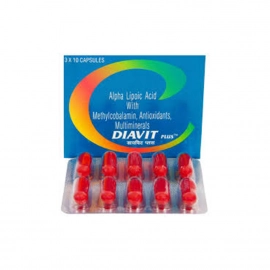
DIAVIT PLUS- It has alpha lipoic acid, methylcobalamin, zinc, magnesium, and chromium. Many people use it for overall support when managing blood sugar and nerve health.
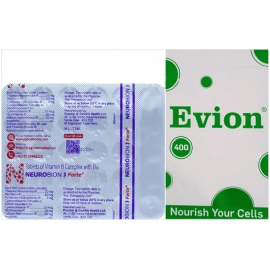
Neurobion Forte (30) + Evion 400mg (20)- A helpful combination if you need extra B vitamins. Neurobion Forte supports B12 needs, which is especially useful for those on long-term metformin.
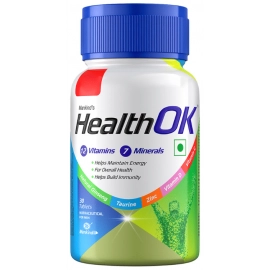
HealthOK Multivitamin- A daily multivitamin with crucial vitamins, minerals, and zinc for general nutritional support.
Vitomin-D3- Useful if blood tests show low vitamin D levels, which is common in India.
Still, always match the product to your blood reports and doctor’s advice.
Safety: Interactions and Who Should Be Careful
Most basic multivitamins are safe when taken as directed. Still, be careful if you:
Take blood thinners (because high-dose vitamin E can increase bleeding risk)
Have kidney problems
Take other supplements or herbal products
Are pregnant or breastfeeding
Also, make sure to check the label with your doctor before starting anything new.
Quick Tips for Better Diabetes Management
A multivitamin can only support you so much. But the real difference still comes from daily habits. Here are a few simple tips that actually help:
Eat regular, balanced meals and avoid long gaps between them
Include more fibre-rich foods like millets, oats, dal, and vegetables
Stay active, even a 30-minute walk most days makes a difference
Take your medicines on time and never skip doses
Check your blood sugar regularly so you know what is working
Drink enough water and limit sugary drinks and packaged snacks
Get proper sleep and try to manage stress
When to Talk to a Doctor
Meanwhile, speak to your doctor if:
You have been on metformin for more than 2–3 years
You feel unusually tired or have tingling in hands or feet
Your diet is very restricted
You want to start any new supplement
Simultaneously, early detection also matters. That’s why, if you are concerned about symptoms in younger people, our guide on early signs of diabetes in youth can help.
Conclusion
Conclusively, a multivitamin for diabetes is not a must for everyone. It becomes useful when there is a real deficiency, especially vitamin B12 in people taking metformin, or when diet falls short. The smart approach is to test, not guess. Choose products carefully, avoid mega-doses, and always involve your doctor. Meanwhile, if you are looking for genuine health support products, you can explore the full range at Direct Dawai. The trusted online pharmacy with trusted healthcare support in Jaipur.
Disclaimer
This blog is for general information only and is not medical advice. So, always consult a qualified doctor before starting any multivitamin or supplement, especially if you have diabetes or take regular medicines.
FAQs
Can I take a multivitamin with metformin?
Yes, most people can. In fact, long-term metformin use can lower vitamin B12 levels, so a multivitamin with B12 is often helpful. Still, always confirm with your doctor first.
Can multivitamins raise blood sugar?
Basic multivitamins usually do not raise blood sugar. Some products with high doses of niacin or added sugars can affect levels. That’s why choose sugar-free options and check the label carefully.
Do type 1 diabetics need vitamins?
Not everyone does. In fact, people with type 1 diabetes may need extra support for vitamin D, B12, or other nutrients if blood tests show a deficiency. So, you can say the best vitamins for diabetes type 1 depend on individual reports.
Are gummies okay for diabetics?
Most vitamin gummies have added sugar or sweeteners, and that’s not great. So the tablet or capsule form is generally better. But always check the sugar content before you reach for gummies.
Can I take vitamin D and B12 together?
Yes, vitamin D and B12 are safe to take together in most cases. Many multivitamins already have them both. But follow the dose your doctor suggests.
Where can I buy multivitamins for diabetics in Jaipur?
You can purchase trusted multivitamins for diabetics from licensed pharmacies in Jaipur or online from trusted platforms like Direct Dawai for authentic products and home delivery.
What vitamins should not be taken by diabetics?
If you are taking blood thinners, don't take very large doses of vitamin E. Be careful with large doses of niacin, which can affect blood sugar. And yes, always check with your doctor before starting any high-dose supplement.
Can diabetics take vitamin C 1000mg?
Yes, most people with diabetes can take 1000 mg of vitamin C, but check with your doctor. That is because you usually do not need very high doses for long periods, and they can interfere with sensor accuracy.
Sources
https://www.ithrive.shop/blogs/essential-insights/common-nutrient-deficiencies-in-indians




Leave your comment
Note: HTML is not translated!