Joint Pain Medicine That Doctors Commonly Prescribe
.jpg)
Common Causes of Joint Pain
1. Osteoarthritis
Osteoarthritis is one of the most common causes of joint pain in older adults. This occurs when the protective cartilage between joints gradually wears down over time. It commonly affects the knees, hips, and hands, causing pain and stiffness.
2. Rheumatoid Arthritis
Rheumatoid arthritis is an autoimmune disorder in which the immune system targets the joints. It can cause swelling, redness, and long-term joint damage.
3. Injury
Sports injuries, falls, or accidents can damage joints, muscles, or ligaments. This may lead to pain, swelling, and difficulty in movement.
4. Gout
Gout is a painful arthritis caused by the buildup of uric acid crystals in the joints. It usually affects the big toe and causes sudden, severe pain.
5. Age-Related Wear and Tear
As people age, joints naturally become weaker and less flexible. This is why stiffness, discomfort, and reduced mobility are seen in older people.
How Doctors Decide the Right Pain Relief Medicine
Not every pain medicine works the same for every person. Doctors usually recommend treatment after understanding the root cause of the pain, the overall health condition, and how severe the symptoms are. A medicine that works well for mild knee pain may not be suitable for arthritis-related inflammation or long-term joint problems.
Here are the factors considered by doctors before prescribing tablets for knee and joint pain:
-
The type of joint condition, such as osteoarthritis or rheumatoid arthritis
-
Severity and duration of pain
-
Age and activity level of the patient
-
History of stomach ulcers, kidney disease, liver problems, or heart issues
-
Other medicines the person is already taking
-
Swelling, stiffness, or reduced movement in the joints
For example, mild joint pain may improve with simple pain relievers, while severe inflammation may require stronger prescription medicines or combination therapy.
Why Self-Medication Can Be Risky
Many people start taking anti-inflammatory tablets without medical advice. While occasional use may provide temporary relief, regular or incorrect use can cause side effects such as:
-
Acidity and stomach irritation
-
Increased blood pressure
-
Kidney or liver problems
-
Risk of medicine interactions
Some painkillers may also hide symptoms without treating the actual cause of joint pain. That is why doctors recommend proper diagnosis before starting long-term treatment.
Common Joint Pain Relief Tablets Doctors Prescribe
Doctors may prescribe different types of joint pain relief tablets depending on the cause of pain, swelling, stiffness, and overall health condition. Some medicines provide quick relief, while others are used for long-term management of arthritis and chronic joint problems.
Paracetamol for Mild Joint Pain
Paracetamol is commonly recommended for mild to moderate joint pain, especially when swelling is not severe. It is often considered one of the safer first options for older adults when taken in the correct dose.
Doctors may suggest paracetamol for mild knee pain, early-stage osteoarthritis, occasional joint discomfort, and patients who cannot tolerate strong anti-inflammatory medicines.
However, taking high doses for a long time can affect the liver. It should always be used as directed by a healthcare professional.
NSAIDs for Pain and Swelling
NSAIDs (Non-Steroidal Anti-Inflammatory Drugs) are among the most commonly prescribed joint pain medications. These medicines help reduce both pain and inflammation.
Common NSAIDs include ibuprofen, naproxen, diclofenac, aceclofenac, etoricoxib, and celecoxib.
Doctors often prescribe these tablets for knee and joint pain caused by osteoarthritis, rheumatoid arthritis, muscle and joint inflammation, and sports injuries.
These medicines can provide fast relief, but long-term use may cause side effects such as acidity, stomach ulcers, kidney problems, or increased blood pressure. Because of this, doctors sometimes recommend taking them after meals or along with stomach-protecting medicines.
Topical Pain Relief Gels and Sprays
In some cases, doctors prefer gels or sprays instead of tablets, especially for localized pain. Diclofenac gel and pain relief sprays are commonly used for knee pain, shoulder pain, back-related joint stiffness, and mild swelling.
These pain relief products are applied directly to the painful area and may cause fewer stomach-related side effects compared to oral medicines.
Corticosteroid Medicines and Injections
When joint pain becomes severe due to inflammation, doctors may prescribe corticosteroid medicines or injections. These treatments are usually used for severe arthritis flare-ups, swollen knee joints, and autoimmune joint conditions.
Steroid injections can provide temporary but strong relief. However, frequent use is generally avoided because it may weaken joints and tissues over time.
Joint Supplements Doctors May Recommend
Some doctors also recommend supplements along with medicines to support joint health. Common supplements include Glucosamine, Chondroitin, Collagen supplements, Calcium, and Vitamin D.
These may help some people with stiffness and joint comfort, especially in osteoarthritis. However, results can vary from person to person, and supplements usually work slowly over time.
Prescription Medicines for Chronic Joint Conditions
People with chronic inflammatory conditions such as rheumatoid arthritis might require specialized prescription medications.
These may include DMARDs (Disease-Modifying Anti-Rheumatic Drugs), Biologic medicines, or Duloxetine for chronic pain management.
These treatments help control inflammation and prevent further joint damage. Since they can have serious side effects, they should only be taken under medical supervision.
Best Tablets for Knee and Joint Pain Commonly Used in India
Several tablets for knee and joint pain are commonly prescribed in India to manage pain, swelling, and stiffness. The suitable medicine depends on the severity of symptoms, age, medical history, and the underlying condition causing the pain.
Below are some commonly used joint pain relief tablets doctors may recommend:
|
Medicine Type |
Commonly Used Medicines |
Mainly Used For |
Important Note |
|
Paracetamol |
Paracetamol tablets |
Mild joint pain and stiffness |
Usually considered safer when taken in the correct dose |
|
NSAIDs |
Ibuprofen, Diclofenac, Naproxen |
Pain with swelling and inflammation |
Can cause acidity or stomach irritation if overused |
|
COX-2 Inhibitors |
Etoricoxib, Celecoxib |
Arthritis pain and chronic inflammation |
Often prescribed when long-term pain relief is needed |
|
Combination Pain Relief Tablets |
Aceclofenac + Paracetamol combinations |
Moderate knee and joint pain |
Commonly used for osteoarthritis and muscle pain |
|
Topical Medicines |
Diclofenac gel or spray |
Localized knee or shoulder pain |
Applied directly on the painful area |
|
Joint Health Supplements |
Glucosamine, Calcium, Vitamin D |
Joint support and stiffness |
Usually used along with other treatments |
Are Stronger Painkillers Always Better?
Many people think stronger medicines give better relief, but that is not always true. Doctors usually start with the safest and lowest effective dose. Taking unnecessary strong painkillers for a long time may increase the risk of side effects.
Important Reminder About Tablets for Knee and Joint Pain
Even commonly used joint pain medicine should not be taken regularly without medical advice.
Some tablets may not be suitable for people with high blood pressure, kidney disease, liver problems, certain heart conditions, or stomach ulcers. If knee or joint pain persists for weeks, a proper diagnosis is important rather than relying only on temporary pain-relief tablets.
Non-Medicine Treatments Doctors Also Recommend
Medicines can help reduce pain, but long-term joint health often improves faster when combined with healthy lifestyle changes. Doctors usually suggest non-medical treatments along with pain relief tablets to improve flexibility, reduce stiffness, and protect the joints from further damage.
Exercise and Physical Therapy
Regular movement helps keep joints flexible and strengthens the muscles around them. Doctors often recommend walking, stretching exercises, cycling, swimming, and light strength training. Physical therapy can also help improve posture, balance, and joint movement, especially in people with knee pain or arthritis.
Weight Management and Joint Health
Excess body weight puts extra pressure on weight-bearing joints like the knees and hips. Even small weight loss can reduce stress on the joints and improve mobility.
Doctors often notice better results from medicines for joint pain when patients also maintain a healthy weight.
Hot and Cold Therapy
Simple home remedies can provide additional comfort along with tablets for knee and joint pain.
-
Cold packs may help reduce swelling and inflammation
-
Heat therapy can relax stiff muscles and improve blood flow
Many people use cold therapy during sudden pain flare-ups and heat therapy for stiffness.
Supportive Devices
Doctors may also recommend supportive products to reduce pressure on painful joints. The supportive products include knee braces, orthopedic footwear, walking sticks, and joint support belts. These supports can enhance stability and increase comfort during daily activities, particularly for older adults.
Healthy Daily Habits That Support Joint Health
Along with medicines, doctors usually advise:
-
Avoiding long sitting hours
-
Maintaining proper posture
-
Staying physically active
-
Eating a balanced diet rich in calcium and Vitamin D
-
Getting enough sleep and rest
These habits may not provide instant relief, but they play an important role in long-term joint care and pain management.
When Joint Pain Medicine May Not Work
Although medicines can reduce pain and swelling, they may not always solve the root cause of the problem. In some cases, pain may continue even after taking tablets regularly, especially in chronic conditions like arthritis or severe joint damage.
If symptoms do not improve, doctors may recommend:
-
Physiotherapy and guided exercises
-
X-rays, blood tests, or MRI scans
-
Weight management and lifestyle changes
-
Joint injections or advanced arthritis treatment
-
Orthopedic consultation for long-term joint problems
Early medical attention can help prevent further joint damage and improve mobility over time.
When You Should See a Doctor for Joint Pain
Occasional joint discomfort after physical activity is common, but pain that lasts for a long time should not be ignored. In some cases, joint pain may be a sign of arthritis, inflammation, infection, or other health conditions that need proper treatment.
You should visit a doctor if you notice:
-
Persistent joint pain that lasts for several weeks
-
Swelling, redness, or warmth around the joint
-
Difficulty walking, climbing stairs, or moving the joint
-
Prolonged morning stiffness
-
Sudden severe knee or joint pain
-
Fever along with joint pain
-
Cracking sounds with pain and reduced movement
-
Pain that keeps returning even after taking joint pain relief tablets
Early diagnosis can help prevent further joint damage and improve treatment results. Doctors may recommend tests such as X-rays, blood tests, or scans to identify the exact cause of the problem.
Do Not Ignore Long-Term Self-Medication
Many people continue taking tablets for knee and joint pain for months without medical advice. This may temporarily reduce symptoms, but it can delay proper diagnosis and increase the risk of side effects.
If your pain is becoming frequent or affecting daily life, it is better to seek professional medical guidance instead of relying only on over-the-counter medicines.
Commonly Prescribed Joint Pain Tablets by Orthopedic Doctors
Here are the common tablets for joint pain that are often prescribed by orthopedic doctors:
|
Product Name |
Price |
Salt Composition |
Common Use |
Common Side Effects |
|
₹125.50 |
Etoricoxib 90mg |
Osteoarthritis, rheumatoid arthritis, joint swelling, and severe knee pain |
Acidity, stomach pain, headache, dizziness, increased blood pressure |
|
|
₹54 |
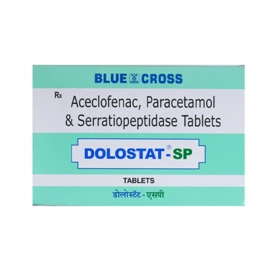
Aceclofenac 100mg + Paracetamol 500mg + Serratiopeptidase 15mg |
Joint pain, inflammation, swelling, and muscle pain |
Nausea, acidity, stomach discomfort, dizziness, liver-related issues with long-term use |
|
|
₹260 |
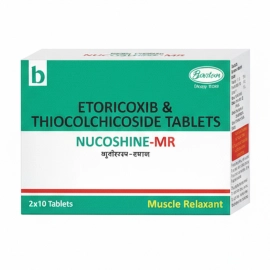
Etoricoxib 60mg + Thiocolchicoside 4mg |
Muscle stiffness, joint pain, back pain, and inflammation |
Drowsiness, dizziness, weakness, acidity, stomach upset |
|
|
₹442.85 |
Etoricoxib 60mg + Thiocolchicoside 4mg |
Joint pain with muscle spasm, stiffness, and inflammation |
Sleepiness, dizziness, nausea, stomach irritation |
|
|
₹303 |
Trypsin + Bromelain + Rutoside + Diclofenac |
Helps in swelling, joint inflammation, sports injuries, and arthritis pain |
Acidity, nausea, stomach pain, diarrhea, dizziness |
Final Words
Joint pain can affect mobility, sleep, and overall quality of life if left untreated. The good news is that many types of joint pain medicine can help reduce pain, swelling, and stiffness when used properly. Doctors commonly prescribe joint pain relief tablets based on the underlying condition and the patient’s overall health.
However, medicines alone are not always enough for long-term relief. Regular exercise, healthy weight management, proper posture, and medical guidance also play an important role in protecting joint health. If pain continues or keeps returning, it is always better to consult a healthcare professional instead of depending only on temporary painkillers.
Disclaimer:
This article is for informational purposes only and should not replace professional medical advice, diagnosis, or treatment. No one can properly diagnose your problem without seeing it. For joint pain that is not improving or getting worse, it is recommended to visit a good orthopedic doctor.
Frequently Asked Questions (FAQs)
Q1. Which is the best joint pain relief medicine?
Ans. There is no single best joint pain relief medicine for everyone. Doctors choose medicines based on the cause of pain, severity, age, and overall health condition. Mild pain may improve with paracetamol, while arthritis-related pain may require anti-inflammatory medicines or prescription treatment.
Q2. Which tablets are commonly used for knee and joint pain?
Ans. Paracetamol, Ibuprofen, Diclofenac, Aceclofenac, Naproxen, and Etoricoxib are the most commonly used medicines to treat knee and joint pain. These medicines should only be taken as advised by a healthcare professional.
Q3. Are joint pain tablets safe for daily use?
Ans. Some joint pain relief tablets can be used daily under medical supervision. However, long-term or excessive use may increase the risk of stomach, kidney, liver, or heart-related side effects.
Q4. Can arthritis medicines cure arthritis permanently?
Ans. Most pain relief tablets help manage symptoms like pain, swelling, and stiffness. They usually do not permanently cure arthritis, but proper treatment and lifestyle changes can help control the condition and improve quality of life.
Q5. Which medicine is better for swelling and stiffness?
Ans. Doctors commonly prescribe anti-inflammatory medicines such as NSAIDs for swelling and stiffness. In severe cases, steroid injections or specialized arthritis medicines may also be recommended.
Q6. Are topical gels better than tablets for joint pain?
Ans. Topical gels and sprays may work well for localized pain and may cause fewer stomach-related side effects compared to tablets. However, severe or long-term joint pain may still require oral medicines or additional treatment.