
Is Vitamin E Good for Skin? Overnight Benefits & Truths
What is Vitamin E?
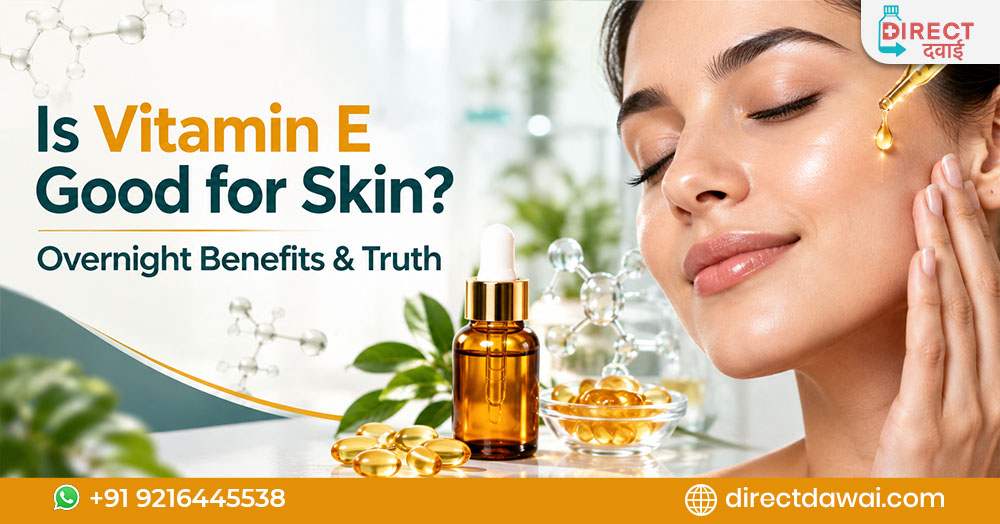
So, what exactly is vitamin E? At its core, it's a fat-soluble antioxidant that protects your cells from everyday damage, and most people don't realize it's not just one nutrient, but a family of eight related compounds that work together. Your skin already has some of it naturally, sitting right in its oil layer, which is probably why this ingredient never really went out of style in skincare, unlike most trends that come and go.
Think of it this way: vitamin E is your body's quiet defense system, guarding against sun exposure, pollution, and the natural wear of aging, while also supporting immune function and overall cell health.
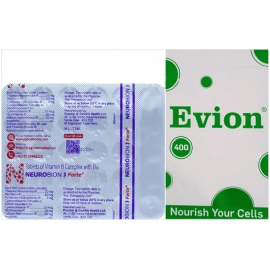
Now, you won't find it in just one format. It shows up in three main ways- through everyday foods like nuts, seeds, and oils, oral capsules such as Evion 400, or topical products like oils, serums, and creams. And honestly, knowing which form does what can make all the difference, especially when you're trying to understand the real vitamin E benefits for skin, instead of just assuming every version works the same way.
The Real, Science-Backed Vitamin E Benefits For Skin
Your skin already makes its own vitamin E through sebum, but that natural supply drops as you age. That’s exactly why dermatologists point to three genuine, evidence-backed benefits:
-
Moisture retention — being oil-soluble, vitamin E blends easily into moisturizers and helps skin hold onto hydration, especially useful for dry or flaky skin.
-
Antioxidant protection — it neutralizes free radicals from pollution and sun exposure, defending skin cells at the membrane level.
-
Soothing inflammation — its anti-inflammatory nature can calm reactive or irritated-feeling skin.
You can think of vitamin E as your skin's raincoat, not its paint job. It doesn't undo damage that's already happened, but it stops more from getting in while the skin barrier stays soft.
Does Vitamin E Really Whiten Skin?
Now, this is the most-searched claim about vitamin E, and it deserves a straight answer:
Vitamin E does not whiten or lighten your natural skin tone. It doesn't change melanin production. What it can genuinely do is improve hydration and texture, and better-hydrated skin often looks brighter simply because it's smoother and less dull, not because it's actually been lightened.
And the same logic applies if you're searching for how to use vitamin E capsules for skin whitening. Because here the method matters far less than the expectation. If pigmentation correction is your actual goal, that's a conversation for a dermatologist, not a capsule.
How To Use Vitamin E Capsules On Face
Before we get to the steps, here's something that genuinely doesn't show up in most articles on this topic, but matters more than people realize:
Vitamin E oxidizes over time, just like cooking oil going rancid. Once a capsule has been opened and exposed to air, light, or heat, the oil inside starts breaking down, and oxidized vitamin E can actually trigger breakouts or irritation instead of preventing them.
That’s why, before applying it, check that the oil is pale yellow and nearly odorless, and store capsules away from direct sunlight or bathroom humidity. Alongside that, use any punctured capsule immediately rather than saving it for later.
Now, with that in mind, here's how to use vitamin E capsules on your face the safer way:
-
Wash and pat your face completely dry.
-
Puncture one fresh capsule with a clean, sterilized needle.
-
Mix the oil with a lightweight carrier, like aloe vera gel or a non-comedogenic moisturizer, instead of applying it directly.
-
Patch test on your inner arm first and wait 24 hours.
-
Apply a thin layer only to dry patches, avoiding the eye area.
-
Leave it on and rinse gently in the morning if your skin feels heavy.
Also, make sure you follow the right skincare routine to show visible results over time.
What Are The Benefits Of Leaving Vitamin E On Your Face Overnight?
Using a vitamin E capsule on your face overnight is genuinely a smart window, and there's a real reason for it, like:
-
Skin repairs itself more actively at night — your skin's natural renewal processes ramp up while you sleep, so applying vitamin E during this window lets it support that process rather than compete with makeup or sunscreen.
-
No sunlight interaction to worry about — vitamin E can make some formulations slightly sun-sensitive, so nighttime use sidesteps that risk entirely.
-
Longer, uninterrupted contact time — it stays on your skin for hours without being wiped off, rubbed onto clothes, or disturbed by pollution and makeup throughout the day.
-
Supports moisture retention overnight — since your skin loses water passively while you sleep, vitamin E helps lock that hydration in.
Now here, it is worth noting that it's not doing dramatic repair work while you sleep. It's simply getting more uninterrupted contact with your skin, that's the real mechanism behind the "overnight benefits."
Can Vitamin E Capsules Help Fade Dark Spots?
Vitamin E may help fade the appearance of dark spots over time, but almost always alongside actives like vitamin C or a consistent skincare routine, not as a standalone fix. In fact, most visible improvement, when it happens, usually takes 4-6 weeks of consistent use. And the same realistic timeline applies if your goal is to use vitamin E for glowing skin. It’s because hydration and antioxidant support build a healthier-looking complexion gradually, not overnight.
Meanwhile, if you'd rather go the natural, traditional route alongside or instead of vitamin E, it's worth reading our guide on Multani Mitti Benefits for Skin. It covers how this clay-based ingredient tackles dullness and uneven tone from a completely different angle, and pairs well with a vitamin E routine for some skin types.
Who Should Avoid Using Vitamin E On Their Skin?
Well, Vitamin E is generally well tolerated, but it isn't risk-free for everyone. So, if you are someone from the list below, you should not use it at all or, at minimum.
-
Oily and acne-prone skin — heavier, oil-based application can clog pores and trigger breakouts.
-
Sensitive or reaction-prone skin — some people develop contact dermatitis, redness, or itching from topical tocopherol.
-
Anyone trying it for the first time — always patch test on your inner arm before applying anything new to your face.
-
Anyone using prescription actives — if you're on retinoids or strong exfoliants, check with a dermatologist before layering vitamin E on top.
Important note: If your skin already has an active infection, cut, or inflamed rash, don't apply vitamin E oil over it. Because sealing in an unidentified infection with an oil-based product can make things worse, not better. So, if that sounds like what you're dealing with, our guide on Skin Infection Treatments breaks down what actually treats an infection versus what just moisturizes over it.
What Other Skincare Products Can You Add With Vitamin E
Vitamin E rarely works best on its own. But if you pair it with the right products, it can make a much more difference than being used alone. Here are a few genuine additions worth considering, if you are thinking so:
-
Evitol Capsule — if you're taking vitamin E for overall skin, immunity, and hair support rather than just topical use, this is a straightforward oral option to prevent deficiency from the inside out.
-
Grazia UP Gold Brightening Face Serum — layers well with vitamin E and moisturizers for an added brightening effect, and is lightweight enough for daily use.
-
FC Anti Acne Face Wash — a good starting step if you have oily or acne-prone skin and want to cleanse properly before applying anything vitamin E-based, so you're not layering oil onto unwashed pores.
-
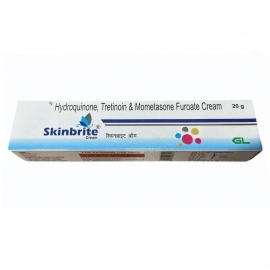
Skinbrite Cream — for pigmentation and dark spots specifically, this can be used alongside a broader vitamin E routine, though it's prescription-only and should be doctor-guided.
And since sunscreen is non-negotiable with any antioxidant-based routine (daytime UV exposure can undo a lot of what vitamin E is doing), it's worth checking our guide on choosing the right sunscreen for your skin type too.
Reminder: Skinbrite Cream is prescription-only. So, go confirm with a doctor before adding a new active into your routine, especially if you're combining multiple products.
Takeaway
Vitamin E genuinely earns its spot in a skincare routine, just not for the reasons half the internet claims. It hydrates, protects, and calms, but it isn't a whitening treatment or an overnight miracle. So, if used it the right way, like diluted, fresh, patch-tested, and matched to your skin type, it can be a simple, budget-friendly addition to a routine.
Meanwhile, if you're building out your skincare shelf with genuine vitamin E products, moisturizers, or dermatologist-recommended serums, it's now simple to buy skincare products online through a verified pharmacy, so you're getting authentic, correctly formulated products instead of guessing off a label.
Disclaimer: This blog is for general informational purposes only and isn't a substitute for professional medical or dermatological advice. If you have persistent skin concerns, pigmentation, an active infection, or a reaction to any product, please consult a dermatologist.
FAQs
-
What happens if you take vitamin E every day?
In normal doses, around 15 mg, it's genuinely safe for most adults. But if you go with high-dose or long-term daily use, it can raise bleeding risk and cause mild issues like nausea or fatigue.
-
Is it okay to apply vitamin E on face every day?
Yes, for dry or normal skin, but only if diluted and fresh. But it is not ideal daily for oily or acne-prone skin, since it can clog pores.
-
Can I eat Evion 400 daily?
Yes, one capsule daily with food is the standard dose, but only when there's an actual need, so check with a doctor before long-term daily use.
-
Is vitamin E for night or day?
Either works, but night is more practical for skin use since there's no sun exposure to worry about. As for capsules, taking it with any meal matters more than timing.
-
Can vitamin E stop hair fall?
No, not for common hair fall. It may support scalp health and has some evidence for alopecia areata specifically, but it's not really a proven fix for hair loss overall — so don't expect it to work magic on its own.
-
What not to mix vitamin E with?
You'll want to be careful about mixing it with blood thinners like warfarin or aspirin, since the combination can raise your bleeding risk. But if you're on any prescription medication, it's worth checking with a doctor before adding vitamin E to your routine.
-
Can I take vitamin D and E together?
Yes, this combination is considered safe and commonly taken together with a meal containing healthy fat. It’s because both are fat-soluble, and taking them with a meal that has some healthy fat often helps your body absorb them properly.
-
Who needs vitamin E the most?
People with conditions that affect fat absorption, like celiac disease, Crohn's disease, or cystic fibrosis, are the ones genuinely at higher risk of deficiency, since vitamin E needs dietary fat to be absorbed properly. Beyond that, people with a limited diet low in nuts, seeds, and vegetable oils, older adults, and those with certain chronic liver conditions may also need to pay closer attention to their intake.
-
Which fruit is the king of vitamin E?
Avocado, it’s because it has the highest vitamin E content among fruits, followed by kiwi and mango.
-
Which dry fruits are rich in vitamin E?
Almonds and sunflower seeds top the list, followed by hazelnuts and pine nuts.
-
What happens if you lack vitamin E?
True deficiency is uncommon in people eating a normal, varied diet, but when it happens, it can cause-
-
Nerve pain (neuropathy)
-
Muscle weakness
-
Vision problems from retinal damage (retinopathy)
-
A weakened immune response over time
But it's typically seen in people with fat-malabsorption conditions rather than from diet alone, which is why deficiency symptoms are usually a sign to investigate an underlying condition, not just "eat more vitamin E capsules."
Sources
https://pmc.ncbi.nlm.nih.gov/articles/PMC4976416/

Leave your comment
Note: HTML is not translated!