
How to Reduce a Hangover Fast: Remedies & Prevention
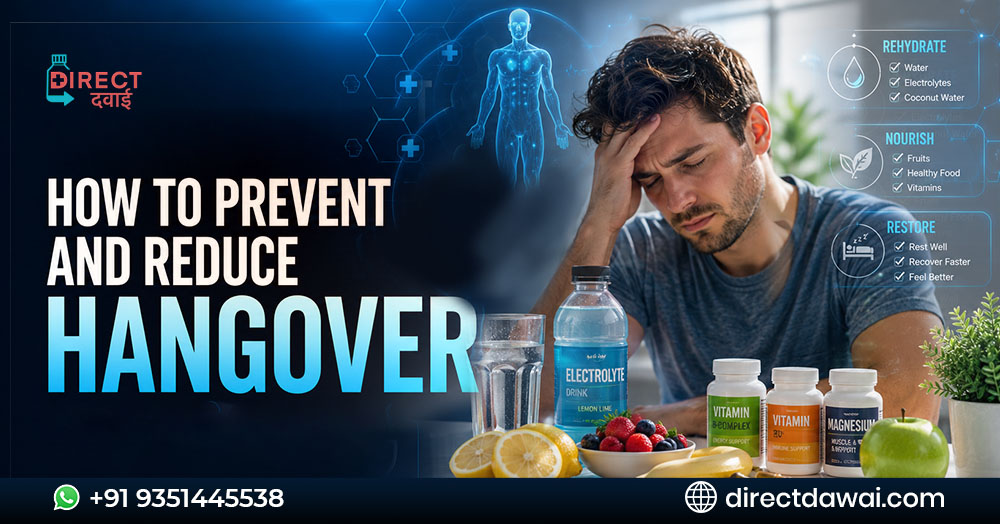
Quick Answer to How to Reduce a Hangover Fast?
The fastest way to reduce a hangover is to drink water, replenish electrolytes with ORS, eat light foods such as bananas and toast, and get enough rest. While hangover tablets may help relieve specific symptoms, there is no instant cure. Most hangovers improve within 24 hours.
Follow the below steps to recover in the fastest way:
-
Drink water immediately.
-
Take ORS or electrolytes.
-
Eat a light meal.
-
Get extra sleep.
-
Avoid more alcohol.
-
Manage symptoms safely.
How to Reduce Hangover Headache Fast
Hangover headaches are often caused by dehydration, inflammation, and poor sleep. To reduce a hangover headache, drink water or ORS, replenish electrolytes, eat a light meal, and rest. Avoid drinking more alcohol to mask symptoms. If necessary, pain-relief medicines may help when used according to label instructions. Most hangover headaches improve as the body rehydrates and recovers.
What Causes a Hangover?
A hangover happens when alcohol affects several systems in your body at the same time. While dehydration is one of the main reasons, it is not the only cause. Alcohol can disrupt sleep, irritate the stomach, lower blood sugar levels, and trigger inflammation, all of which contribute to hangover symptoms.
Hangover Facts
|
Fact |
Details |
|
Main cause |
Dehydration, inflammation, sleep disruption |
|
Typical duration |
12 to 24 hours |
|
Instant cure available? |
No |
|
Best recovery methods |
Fluids, electrolytes, food, rest |
What are the Common Causes of Hangover?
Here are the most common causes of after effects of alcohol:
-
Dehydration: Alcohol increases urination, causing the body to lose fluids and electrolytes.
-
Poor Sleep Quality: Even if you sleep for several hours after drinking, alcohol can reduce the quality of sleep and leave you feeling tired.
-
Stomach Irritation: Alcohol can irritate the lining of the stomach, leading to nausea, vomiting, and stomach discomfort.
-
Low Blood Sugar: Drinking alcohol may temporarily lower blood sugar levels, which can cause weakness, shakiness, and fatigue.
-
Inflammation: Alcohol can trigger an inflammatory response in the body, contributing to headaches, body aches, and a general feeling of being unwell.
The severity of a hangover varies from person to person and depends on factors such as the amount of alcohol consumed, hydration levels, body weight, sleep quality, and overall health.
Common Symptoms of a Hangover
Hangover symptoms usually begin several hours after drinking and are often strongest the next morning.
Common symptoms include:
-
Headache: A common hangover symptom caused by dehydration and alcohol-related inflammation.
-
Extreme thirst: Alcohol can leave the body dehydrated, making you feel very thirsty.
-
Dry mouth: Reduced body fluids often lead to a dry and uncomfortable mouth.
-
Fatigue and weakness: Poor sleep and dehydration can cause low energy and weakness.
-
Dizziness: Changes in hydration and blood pressure may make you feel lightheaded.
-
Nausea or vomiting: Alcohol can irritate the stomach and trigger digestive discomfort.
-
Sensitivity to light and sound: Hangovers can make normal light and noise feel overwhelming.
-
Difficulty concentrating: Alcohol's effects on the brain can make it harder to focus.
-
Mood changes or irritability: Hangovers may affect emotions and increase irritability.
-
Muscle aches: Dehydration and inflammation can contribute to body and muscle pain.
Most hangover symptoms improve within 24 hours as the body processes and eliminates alcohol.
How Long Does a Hangover Last?
A hangover can last anywhere from a few hours to 24 hours or more, depending on how much alcohol was consumed and how your body responds to it. For most people, symptoms are strongest when the blood alcohol level returns to zero, usually the morning after drinking.
Several factors can affect how long a hangover lasts, including:
-
The amount of alcohol consumed
-
Whether you drank on an empty stomach
-
Your hydration levels
-
Body weight and age
-
Sleep quality
-
Overall health and metabolism
People who drink large amounts of alcohol or do not stay hydrated may experience symptoms for a longer period.
How to Reduce Hangover Quickly
Although there is no instant hangover cure, the following steps can help you feel better and recover faster.
1. Drink Plenty of Water and Electrolytes
Alcohol causes fluid loss, making dehydration one of the biggest contributors to hangover symptoms. Start your day by drinking water and continue sipping fluids throughout the day.
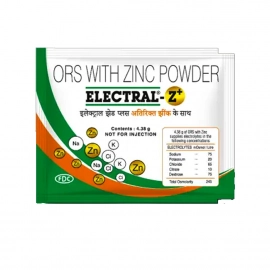
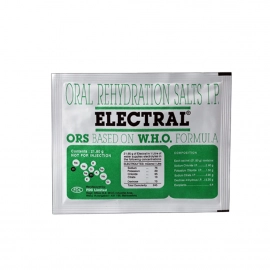
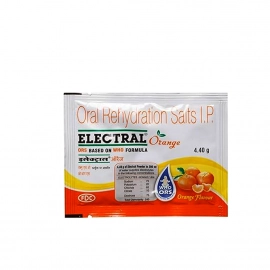
If dehydration is contributing to your hangover symptoms, oral rehydration solutions such as Electral and ORS products may help restore lost fluids and electrolytes.
These oral rehydration solutions may help in hangover recovery:
|
Solutions |
How it helps |
|
Helps replenish lost fluids and electrolytes |
|
|
Electrolyte replacement |
|
|
Convenient ORS option |
|
|
ORS with zinc support |
|
|
Rehydration support |
|
|
Electrolyte replenishment |
|
|
Hydration support |
|
|
Rehydration support |
These help replace lost fluids and minerals that your body needs for recovery.
2. Eat Light, Nutrient-Rich Foods
Eating the right foods can help restore energy levels and support recovery.
Good options include:
-
Bananas
-
Eggs
-
Oatmeal
-
Whole-grain toast
-
Fruits such as watermelon and oranges
-
Yogurt
Avoid skipping meals, as this may worsen fatigue and weakness.
3. Get Enough Rest
Alcohol can interfere with normal sleep patterns. Even if you slept through the night, your body may still need additional rest to recover.
Try to:
-
Take it easy for the day
-
Avoid intense physical activity
-
Get extra sleep if possible
4. Manage Headaches Safely
For hangover-related headaches, some people may consider pain-relief medicines such as Crocin Pain Relief, but they should always be used according to the label instructions.
Important:
-
Avoid taking medicines on an empty stomach.
-
Follow the recommended dosage instructions.
-
If you have liver disease, stomach ulcers, or other medical conditions, consult a healthcare professional before taking any medication.
5. Replenish Vitamins and Minerals
Heavy alcohol consumption can temporarily reduce certain nutrients in the body. Eating a balanced diet rich in fruits, vegetables, and proteins can help restore essential vitamins and minerals.
|
Medicine |
Use Case |
|
Multivitamin and zinc supplement |
|
|
B-complex + zinc support |
|
|
ZINCONIA |
Zinc supplement |
Remember, recovery takes time. Hydration, nutrition, and rest remain the most effective ways to reduce hangover symptoms naturally.
Best Foods to Eat for Hangover Recovery
The foods you eat after drinking alcohol can make a big difference in how quickly you recover. The right foods help restore energy, replenish nutrients, and support hydration.
Bananas
Bananas are rich in potassium, an important mineral that may be lost due to increased urination after drinking alcohol. They are easy to digest and can help support electrolyte balance.
Eggs
Eggs contain protein and amino acids that support the body's recovery process. They are also filling and can help stabilize energy levels.
Toast and Crackers
Simple carbohydrates such as toast and crackers are gentle on the stomach and may help if you feel nauseous.
Coconut Water
Coconut water contains natural electrolytes that can help replace fluids lost through dehydration.
Water-Rich Fruits
Fruits such as watermelon, oranges, muskmelon, and cucumber provide both hydration and essential vitamins.
Best Foods for Hangover Recovery
|
Food |
How It Helps |
|
Bananas |
Replenishes potassium and supports hydration |
|
Eggs |
Provides protein and amino acids |
|
Toast & Crackers |
Easy on the stomach and provides energy |
|
Oatmeal |
Offers complex carbohydrates for sustained energy |
|
Coconut Water |
Helps replace electrolytes |
|
Watermelon |
Supports hydration and provides vitamins |
|
Yogurt |
Contains protein and beneficial nutrients |
|
Oranges |
Provides vitamin C and fluids |
Foods and Drinks to Avoid During a Hangover
Some foods and beverages can make hangover symptoms worse.
Try to avoid:
-
Excessively greasy or oily foods
-
Very spicy meals if you have nausea
-
Sugary energy drinks
-
More alcohol ("hair of the dog")
-
Too much coffee or caffeine if you are already dehydrated
While a cup of coffee may help some people feel more alert, it does not cure a hangover and may worsen dehydration in some cases.
Hangover Medicines and Tablets: Do They Really Work?
Many people search for hangover tablets, hangover medicine, or hangover pills hoping for a quick fix. However, there is currently no medicine that can completely cure a hangover.
Most hangover medicines are designed to help manage specific symptoms rather than eliminate the hangover itself.
OTC Medicines That May Help Specific Symptoms
Depending on your symptoms, certain over-the-counter medicines may provide temporary relief.
|
Symptom |
What May Help |
|
Headache |
Pain relievers (used as directed) |
|
Acidity or Heartburn |
Antacids |
|
Nausea |
Anti-nausea medications recommended by a healthcare professional |
|
Dehydration |
ORS and electrolyte solutions |
When to Use Hangover Tablets
Hangover tablets may be useful when they contain ingredients that support hydration, electrolyte replacement, or vitamin replenishment. However, they should be viewed as a supportive option rather than a cure.
Important Safety Precautions
-
Always read the label before taking any medicine.
-
Do not exceed the recommended dose.
-
Avoid mixing medications without medical advice.
-
Seek medical attention if symptoms are severe or unusual.
-
If you have liver, kidney, or stomach conditions, consult a doctor before taking any medicine.
The most effective hangover treatment remains proper hydration, nutritious food, adequate rest, and time.
How to Prevent a Hangover Before Drinking
Preventing a hangover is often easier than treating one the next day. While no method can guarantee that you won't get a hangover, these practical tips can significantly reduce your risk.
Never Drink on an Empty Stomach
Eating before and during drinking can slow the absorption of alcohol into the bloodstream. Choose meals that contain protein, healthy fats, and complex carbohydrates for better support.
Alternate Alcohol With Water
One of the simplest ways to prevent dehydration is to drink a glass of water between alcoholic beverages. This helps maintain hydration and may reduce the severity of hangover symptoms.
Choose Drinks Wisely
Dark-colored alcoholic drinks such as whiskey, brandy, and red wine contain higher levels of compounds called congeners, which may worsen hangovers in some people. Lighter-colored drinks may be less likely to trigger severe symptoms.
Know Your Limits
The more alcohol you drink, the higher your chances of experiencing a hangover. Drinking slowly and staying within your limits can help reduce next-day discomfort.
Get Proper Sleep
Alcohol can disrupt normal sleep cycles. After drinking, aim to get enough rest so your body has time to recover.
Stay Hydrated Before Bed
Before going to sleep, drink water or an electrolyte-rich beverage to help replace fluids lost while drinking.
Common Hangover Myths You Should Stop Believing
There is a lot of misinformation about hangover cures. Understanding the facts can help you make better choices.
Myth 1: Drinking More Alcohol Cures a Hangover
Fact: This practice, often called "hair of the dog," may temporarily delay symptoms but does not cure a hangover. In fact, it can prolong recovery and increase alcohol-related risks.
Myth 2: Coffee Can Instantly Fix a Hangover
Fact: Coffee may help you feel more awake, but it does not remove alcohol from the body or cure dehydration.
Myth 3: Greasy Food Is the Best Hangover Cure
Fact: While eating may help restore energy, greasy foods are not a proven hangover treatment and can sometimes worsen stomach discomfort.
Myth 4: A Hangover Can Be Sweated Out
Fact: Exercise does not speed up alcohol elimination. If you are dehydrated, intense physical activity may actually make you feel worse.
When Should You See a Doctor?
Most hangovers improve on their own within 24 hours. However, some symptoms may indicate alcohol poisoning or another serious medical condition.
Seek immediate medical attention if someone experiences:
-
Difficulty breathing
-
Seizures
-
Loss of consciousness
-
Severe confusion
-
Blue or pale skin
-
Repeated vomiting that does not stop
-
Inability to wake up
These symptoms are medical emergencies and should not be ignored.
Medicines That May Help Manage Hangover Symptoms
|
Symptom |
Medicine Options |
|
Dehydration |
Electral, Electral Z Plus, Walyte ORS |
|
Headache |
|
|
Acidity & Indigestion |
|
|
Nutritional Support |
Final Words
If you're wondering how to reduce a hangover, focus on the basics that actually work: hydration, electrolyte replacement, nutritious foods, rest, and moderation. While hangover medicines and tablets may help relieve certain symptoms, there is no instant cure.
The best approach is to prevent a hangover in the first place by drinking responsibly, staying hydrated, and avoiding excessive alcohol consumption. By following these simple steps, you can reduce discomfort and help your body recover more effectively.
Disclaimer: This article is intended for informational and educational purposes only and should not be considered medical advice, diagnosis, or treatment. The medicines help but do not cure a hangover. Always read product labels carefully and consult a qualified healthcare professional before using any medicine, especially if you have an underlying health condition or experience severe symptoms.
References:
Frequently Asked Questions (FAQs)
Can hangover tablets cure a hangover completely?
No, hangover tablets cannot completely cure a hangover. Most hangover tablets are designed to relieve specific symptoms such as headache, fatigue, dehydration, or nausea. The body still needs time to process and eliminate alcohol. Hydration, nutritious food, rest, and electrolyte replacement remain the most effective ways to recover.
What is the best hangover medicine for headache?
The best hangover medicine for a headache depends on the cause and severity of the symptoms. Over-the-counter pain relievers may provide temporary relief, but they should be used according to label instructions. Drinking water, replenishing electrolytes, eating light meals, and getting enough rest can also help reduce hangover headaches.
Is ORS good for a hangover?
Yes, ORS can help with a hangover by replacing fluids and electrolytes lost due to alcohol-related dehydration. It may help reduce symptoms such as headache, dizziness, weakness, and excessive thirst. While ORS does not cure a hangover, it can support faster recovery when combined with proper rest and nutrition.
What should I eat after drinking alcohol?
After drinking alcohol, choose foods that are easy to digest and rich in nutrients. Good options include bananas, eggs, oatmeal, toast, yogurt, and water-rich fruits like watermelon and oranges. These foods help restore energy levels, support hydration, and provide vitamins and minerals needed during recovery.
How can I prevent a hangover before sleeping?
To help prevent a hangover before sleeping, drink plenty of water, eat a light meal or snack, and avoid consuming more alcohol late in the night. You can also consider an electrolyte drink or ORS to support hydration. Getting adequate sleep gives your body more time to recover.
How long does a hangover usually last?
A hangover usually lasts between 12 and 24 hours, although severe symptoms may continue longer in some cases. The duration depends on factors such as the amount of alcohol consumed, hydration levels, sleep quality, age, and overall health. Most symptoms gradually improve as the body eliminates alcohol.
How to reduce hangover headache?
To reduce a hangover headache, drink plenty of water, restore electrolytes, eat a light meal, and get adequate rest. Dehydration is a common cause of hangover headaches, so staying hydrated is essential. If needed, over-the-counter pain relievers may help, but they should be used carefully and according to medical advice.
How to prevent a hangover before drinking?
The best way to prevent a hangover before drinking is to eat a balanced meal, stay hydrated, and avoid excessive alcohol consumption. Drinking water between alcoholic beverages can help reduce dehydration. Choosing moderate amounts of alcohol and drinking slowly may also lower the risk and severity of a hangover.
What to Do If Alcohol Causes Acidity or Stomach Discomfort
Alcohol can irritate the stomach lining and lead to acidity, heartburn, nausea, or indigestion. Drinking water, eating bland foods, and avoiding spicy meals may help. For temporary relief, some people use antacids such as Digene or ENO according to the product instructions.



Leave your comment
Note: HTML is not translated!