
Hair Care Home Remedies: Are You Doing It Right?

Before Trying a Home Remedy, Know What Your Hair Needs
Most people just say "my hair is bad" and reach for whatever's trending. But your hair problem probably falls into one of these, and knowing which one can help you choose the right haircare remedy like:
-
Hair fall — hair coming out from the root, often noticed on your pillow or in the shower drain
-
Hair breakage — hair snapping mid-strand, not from the root
-
Dry hair — feels rough, dull, or hard to manage
-
Frizzy hair — puffy, doesn't stay smooth no matter what you do
-
Oily scalp — greasy within a day of washing
-
Dandruff or scalp problems — flaking, itching, or irritation that goes beyond simple dryness
This one step alone saves most people from wasting weeks on something that was never going to help their specific problem in the first place.
10 Hair Care Home Remedies You Can Try at Home
Now, here’s the important part: a home remedy should have a purpose, not just a popular name. So, for each option below, we'll look at what it may help with, how to use it, what not to expect, and when to stop.
-
Coconut Oil for Dry and Damaged Hair

If your main problem is rough, dry, or brittle hair, coconut oil for hair can be a simple option. Coconut oil can penetrate the hair shaft and may help reduce protein loss and improve the appearance of dry or damaged hair. That makes it more useful for conditioning and reducing breakage than for promising new hair growth.
How to use it-
-
Take a small amount of coconut oil
-
Warm it between your palms,
-
Gently apply it mainly to the lengths and ends.
-
Leave it for around 20 minutes
-
Then shampoo thoroughly.
How often- Once or twice a week is enough for most people. However, if your hair feels greasy or your scalp becomes uncomfortable, use less or reduce the frequency.
Don't expect- Faster hair growth just because you pour on more oil.
Safety- If your scalp feels itchy, irritated, or uncomfortable, stop right away.
-
Aloe Vera for Scalp and Hair Conditioning

Aloe vera is commonly used because its gel feels cooling and soothing, making it a nice pick for a scalp that just feels a little irritated or tired. But don't treat aloe vera as a proven hair-regrowth treatment. Because evidence for popular social-media claims about aloe vera and hair growth remains limited.
How to use it-
-
Take a small amount of plain aloe vera gel.
-
Apply a thin layer to your scalp or hair lengths.
-
Leave the mask on for about 15–20 minutes.
-
Rinse well with clean water and wash if your hair feels heavy.
How often- 2 to 3 times a week can go well. And you absolutely don’t need to apply it every single day.
Don't expect- a perfect cure for dandruff or a major boost in hair thickness.
Safety: Patch-test first, and if you notice burning, itching, or redness, wash it off and stop using it.
-
Onion Juice for Hair Growth

This is probably one of the most talked-about onion juice for hair growth remedies online, and it deserves a little more honesty. Because a small clinical study found that onion juice helped hair regrowth in people with patchy alopecia areata. Still, that does not mean it is a proven treatment for every type of hair loss.
How to use it- If you choose to try it,
-
Take a small amount of freshly prepared onion juice.
-
Apply gently to the scalp, focusing on the areas you want to treat.
-
Leave it for 15–20 minutes.
-
Rinse properly and wash with a mild shampoo.
How often- Once or twice a week is enough. If irritation shows up, stop instead of pushing harder.
Don’t expect- Onion juice to cure baldness, hereditary loss, or unexplained shedding.
Safety- Onion juice can sting. That’s why always go with a patch test first and stop if you feel any kind of burning, redness, or itching.
-
Fenugreek Hair Mask
Fenugreek, or methi dana, has a long history in traditional hair care and is often used as a conditioning mask. People often use it by making a thick, conditioning paste of it, which, once soaked and ground, helps soften and make hair more manageable.
How to use it-
-
Soak fenugreek seeds overnight until soft.
-
Grind them into a thick paste
-
Spread across your scalp and lengths
-
Leave it for a while, then wash off thoroughly.
How often: Once a week can be a good start.
Don’t expect- Guaranteed regrowth because this is more about conditioning than triggering new hair.
Safety- Rinse thoroughly because leftover paste can feel gritty and irritate the scalp.
-
Amla for Traditional Hair Care

Amla is another traditional ingredient frequently used in Indian hair care. You can actually use amla-based preparations as part of your normal conditioning routine, but keep expectations realistic. It’s because research into herbal approaches to hair loss is promising in some areas, yet studies often have small sample sizes or other limitations. So think of amla as a care ingredient, not a guaranteed hair-growth treatment.
How to use it -
-
Mix amla powder with water until smooth.
-
Apply gently across scalp and hair lengths.
-
Leave for about 20 minutes.
-
Rinse well and shampoo lightly if needed.
How often - Once a week is a good place to start. Still, if your hair or scalp feels dry afterward, use it less often.
Don't expect - A miracle fix. Think about it like steady care, not overnight change. And remember, traditional use does not mean it can treat every hair problem.
Safety - Generally gentle, but patch-test if you have sensitive skin or notice any kind of itching, burning, redness, or irritation.
-
Rice Water Rinse
Then, there is rice water, which has become hugely popular online, especially for claims about longer and stronger hair. But here's the catch: there isn't enough strong evidence to say that a simple rice-water rinse makes hair grow faster. In fact, Cleveland Clinic notes that the popular claims aren't scientifically established.
How to use it-
-
Rinse some rice and soak it in clean water.
-
Let it sit for a few hours, then strain the water.
-
Leave on for 10–15 minutes.
-
Rinse hair thoroughly with clean water.
How often - Once a week is enough when starting. If hair feels stiff, dry, or rough, cut back or stop.
Don't expect - Rice water to make hair grow fast or fix severe damage overnight.
Safety - Keep the rice water clean and don't leave it sitting around for too long. And stop using it if your scalp becomes itchy or irritated.
-
A Simple DIY Hair Mask for Dry or Frizzy Hair
Meanwhile, when your hair feels rough, dry, or constantly puffy, a simple conditioning mask can make it easier to manage. You don't need to mix ten ingredients together. A basic mask made with ingredients such as yogurt and honey can also be enough to try.
How to use it -
-
Blend well a small amount of plain yogurt with a little amount of honey.
-
Apply it mainly to the dry lengths and ends.
-
Let it rest on your head for around 15-20 minutes.
-
Rinse well and shampoo gently if needed.
How often - Only once a whole week is more than enough. But if your hair already feels soft and manageable, you don't need to use it more often.
Don't expect - A DIY hair mask to permanently repair split ends or transform damaged hair in one use. It can improve softness and manageability, but for damaged hair, you still need to have gentle care.
Safety - Avoid using on a broken or irritated scalp. And always take a patch test if you are using new ingredients and stop if your skin reacts.
-
Gentle Scalp Massage
Sometimes the simplest habit does the most good, a gentle scalp massage can make you genuinely feel relaxed and can support your overall scalp comfort.
How to use it -
-
Use the pads of your fingertips, not your nails.
-
Massage the scalp gently in small circular movements.
-
Avoid pulling, twisting, or scratching the hair.
-
Spend around 5 minutes doing it comfortably.
How often - You can do it a few times a week if it feels comfortable. But remember- there is no need to massage aggressively or for long periods.
Don't expect - A scalp massage to guarantee new hair growth or stop significant hair loss. It is better viewed as a gentle care habit.
Safety - Don’t massage over cuts, sores, inflamed skin, or an irritated scalp. And stop if it causes any kind of pain or increases irritation.
-
Gentle Oiling Without Overdoing It
People constantly ask about the best oil for hair growth, and honestly, there isn't one single oil that works best for everyone. Still, you can try oils like
-
Rosemary oil for stimulating follicles
-
Coconut oil for deep penetration
-
Castor oil for thickness
-
Dabur Mahabhringraj oil as a traditional Ayurvedic tonic
How to use it -
-
Take a small amount of an oil that suits your hair.
-
Warm it between your palms rather than heating it until it is hot.
-
Apply it lightly to the hair lengths and, if suitable for your scalp, massage a small amount into the scalp.
-
Leave it for around 20-30 minutes before washing.
How often- Once or twice a week, not daily.
Don't expect- More oil to mean more growth because that's simply not how it works.
Safety- If you have an oily or dandruff-prone scalp, heavy oiling might work against you rather than for you.
-
Low-Heat and Protective Hair Care
Not every useful hair-care remedy needs to come from your kitchen. Sometimes the best thing you can do is simply stop damaging your hair. Less heat, less pulling, and gentler handling can go a long way.
How to use it -
-
Keep heat styling to a minimum.
-
Use a lower heat setting when you do use styling tools.
-
Comb gently, especially when your hair is wet.
-
Avoid very tight ponytails, buns, or braids.
-
Gently dry your hair instead of rubbing it roughly with a towel.
How often - Make these habits part of your regular hair care routine rather than treating them as a once-a-week remedy.
Don't expect - Instant results, as the benefit shows up gradually as breakage slows down.
Safety- None needed here because this is simply the gentlest thing you can do for your hair daily.
Besides, you can also follow the below hair care tips to get genuine results-
Washing and Cleansing
-
Focus shampoo on roots
-
Consider proper conditioning to ends
-
Use cool final rinses
Daily Maintenance and Styling
-
Be gentle when your hair is wet
-
Use a wide-tooth comb on wet hairs
-
Go with the natural process of hair drying
-
Avoid tight ponytails or such hairstyles.
*Note- You can also use Multani Mitti (fuller earth) to wash your hair. This is also one of the traditional methods for hair care used by our older generations.
Scalp and Night Care
-
Do regular massaging
-
Protect your hair while sleeping by using a satin/silk pillowcase
-
Trim regularly
Food Habits
Include foods rich in Vitamin C, antioxidants, and iron, like Jamun. This will help improve blood circulation while nourishing your hair follicles. You can also eat foods like
-
Walnuts
-
Flexseeds
-
Almonds
-
Sweet potatoes
How to Take Care of Hair at Home Every Day
Knowing how to take care of hair at home day-to-day matters more than any single remedy. So, here is the step-by-step process of how you can do that-
Every day
-
Avoid constantly pulling, twisting, or touching your hair.
-
Protect it from unnecessary heat.
-
Keep your scalp comfortable and clean.
Wash day
-
Wash according to how oily or dirty your scalp becomes.
-
Apply shampoo mainly to the scalp rather than rubbing the entire length.
-
Use a conditioner after washing.
-
Handle wet hair gently.
Once or twice a week
Choose one suitable home remedy.
Don't use five masks, two oils, and an onion treatment on the same day. It’s because more ingredients don't automatically mean better hair.
At night
Keep hairstyles loose and avoid sleeping with hair pulled tightly back.
*Note-
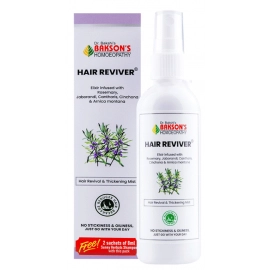
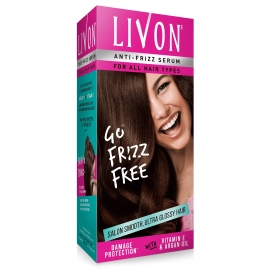
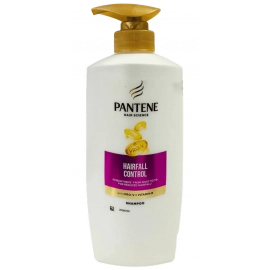
Along with the above hair care tips and process, you can also buy hair care products online from a trusted online medical store depending on your hair type, like
-
Pantene Pro-V Advanced Hairfall Solution Hairfall Control Shampoo
-
Head & Shoulders Smooth & Silky 2 in 1 Anti-Dandruff Shampoo+Conditioner
Build a Hair Care Routine for Your Hair Type
Your routine should follow your scalp and hair, not somebody else's Instagram routine. Like, if you have
-
Oily Scalp
For a hair care routine for an oily scalp, focus on appropriate washing and lighter products. And if your scalp gets oily quickly, try washing more frequently. But don't force yourself to follow someone else's “once-a-week” routine.
-
Dry Hair
Then, for dry hair, focus on gentle cleansing, regular conditioning, and less heat. Because this is where dry hair care should be about protecting moisture rather than constantly adding more products.
-
Frizzy Hair
Meanwhile, if you're searching for home remedies for frizzy hair, start with the basics: conditioning, gentle drying, less heat, and less friction. Along with that, a simple conditioning mask can be an occasional addition, but your everyday habits matter more.
-
Hair Prone to Breakage
Use conditioner, detangle gently, and avoid hairstyles that constantly pull on the hair. It’s because if your hair is already fragile, reducing damage may be more useful than trying stronger remedies.
Can Home Remedies Really Reduce Hair Fall?
Now, this is where you need to separate haircare from hair-loss treatment. It's like some practices can make hair feel softer, reduce dryness, or help prevent avoidable breakage. But that isn't the same as treating the cause of hair loss. So, if you're wondering how to reduce hair fall naturally, start by looking at the basics:
-
Gentle hair care
-
Adequate nutrition
-
Less heat and avoiding tight hairstyles.
But don't assume that an oil or mask can fix unexplained shedding. Go with a thorough consultation with a dermatologist instead. Likewise, home remedies for hair growth and thickness should not be presented as guaranteed regrowth treatments. Hair loss can have many causes, and identifying that cause is important for effective treatment.
Common Home Hair-Care Mistakes to Avoid
-
Using very hot oil on your scalp
-
Scrubbing your scalp aggressively
-
Applying undiluted essential oils directly
-
Leaving irritating ingredients on for too long
-
Using several remedies on the same day
-
Assuming "natural" automatically means risk-free
-
Washing too roughly
-
Excessive heat styling
-
Tight hairstyles, day after day
-
Taking random hair-growth supplements without guidance
That’s why remember- some supplements can actually worsen hair loss when taken unnecessarily or in excessive amounts, so more isn't always better here either.
Dandruff Isn't Always Just Dryness
Flaking doesn't automatically mean your scalp needs more oil, and honestly, more oil can sometimes make it worse. Persistent itching, redness, scaling, or ongoing irritation may need actual treatment, not another round of kitchen remedies. So, if the problem continues despite consistent care, that's your sign to stop experimenting and consult a certified doctor.
When Home Remedies Are Not Enough
Here's the thing, home remedies are great for everyday care, but they're not built to handle everything. If you notice any of these, it's time to stop experimenting and actually talk to someone who knows more than your kitchen shelf does-
-
Sudden or excessive hair shedding
-
Hair coming out in clumps
-
Bald patches
-
Noticeable thinning
-
Persistent scalp itching or pain
-
Severe or ongoing dandruff
-
Hair loss that keeps getting worse
-
Symptoms that aren’t budging with basic care
Home Remedies or Hair Care Products — Which Should You Choose?
Honestly, it's not really an either-or question. Home remedies are simple, cheap, and genuinely do a good job with everyday upkeep, nobody's arguing against that. But ready-made products earn their spot too, especially on weeks when mixing a fresh paste feels like one more chore you don't have time for. They're built with more controlled, consistent formulations, which counts for something when life gets busy. So, either way, just choose based on what your hair and scalp actually need, not because something promises "instant growth."
Along with that, you can also try some vitamin supplements if your doctor says so or if you want to explore them to support your overall hair growth.
Conclusion
At the end of the day, no single ingredient in your kitchen is going to "fix" your hair overnight because that's just not how it works. What actually works is understanding your hair's real needs and sticking with it, consistently, not occasionally. Match the remedy to the actual problem, don't overdo it, protect your hair from daily wear and tear, and don't confuse normal breakage with genuine hair loss. And the moment something feels genuinely wrong, stop the guesswork and get a real answer.
Disclaimer: This blog is for educational purposes only and does not include any personal advice.
So, kindly do not consider it a replacement for professional medical advice, and make your choice as per your own preferences and certified doctor consultation.
FAQs
-
How long before hair care home remedies show results?
Most remedies need at least 4 to 6 weeks of consistent use before you'll notice any real difference. Anything promising overnight results is overselling itself.
-
Can I mix multiple home remedies together?
It's better not to. Layering several remedies at once makes it harder to tell what's actually helping, and increases your chance of scalp irritation.
-
Is onion juice really effective for hair growth?
It may help some people due to its sulfur content, but research is limited, and it isn't a guaranteed fix for hair loss. Always patch-test first.
-
How often should I oil my hair?
Once or twice a week is usually enough. Oiling daily, especially on an oily scalp, can do more harm than good.
-
When should I stop trying home remedies and see a doctor?
If you notice sudden heavy shedding, bald patches, persistent scalp pain, or ongoing dandruff that doesn't improve, it's time to get it checked instead of trying another remedy.
-
What are the big 3 for thinning hair?
In general, they include
-
Minoxidil,
-
A DHT blocker (like finasteride)
-
And ketoconazole shampoo
-
What shampoo is best for hair loss?
The best shampoo for hair loss depends on the root cause. However, for genetic or inflammatory thinning, dermatologists often go with over-the-counter 1% ketoconazole shampoo (like Nizoral) because of its anti-androgen properties.
-
Which herb is the king of hair growth?
In traditional Ayurvedic medicine, Bhringraj (Eclipta prostrata) is widely crowned as the "king of hair" (or Kesharaja).
Sources
aad.org: Hair loss: Overview
aad.org: Hair loss: Tips for managing
healthline.com: 10 Home Remedies for Dry Hair
pmc.ncbi.nlm.nih.gov: Hairfluencer social media trends every dermatologist should know in 2021 - PMC
health.clevelandclinic.org/: Rice Water for Hair: Benefits and How To Make



Leave your comment
Note: HTML is not translated!