
Cheston Cold Tablet: Uses, Composition, Dosage, Side Effects & Safety
What is a Cheston Cold Tablet?
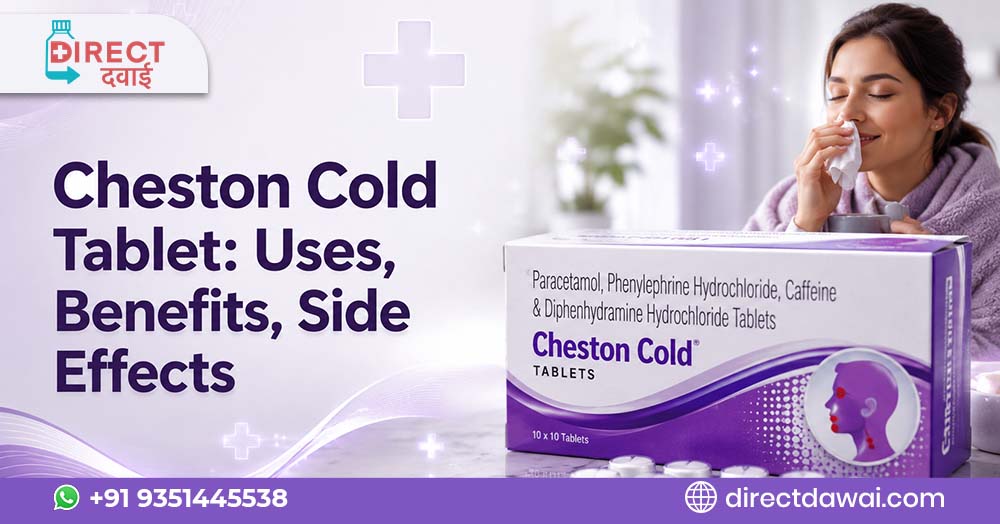
Cheston Cold Tablet is a combination medicine commonly used to treat symptoms of the common cold, flu, and seasonal allergies. It helps provide relief from fever, headache, body pain, sneezing, runny nose, watery eyes, and nasal congestion.
This medicine contains a combination of active ingredients that work together to control different cold symptoms at the same time. Doctors may recommend it for short-term relief during viral infections or weather-related allergies.
Important note: Cheston Cold is a brand name, and different versions may contain different ingredients or strengths. So, always check the composition printed on the strip or carton before taking the medicine. And yes, do not compare doses or combine two products only because both have “Cheston Cold” in their names.
Composition of Cheston Cold Tablet
The composition of Cheston Cold Tablet may vary depending on the exact product and formulation. But usually it contains-
-
Paracetamol: It helps reduce fever and body pain
-
Cetirizine: It helps control allergy symptoms like sneezing and a runny nose
-
Phenylephrine: It helps relieve a blocked or stuffy nose
But here, remember that some other listings may show a different formulation containing paracetamol, phenylephrine, caffeine, and diphenhydramine. Therefore, check the ingredients and strength on your own medicine pack before use. And because it treats multiple symptoms together, many people use Cheston Cold Tablet for temporary cold relief. But it should be taken only according to the product label or a doctor’s advice.
Related article: Paracetamol: Benefits, Uses, Dosage, Side Effects & Warnings
Cheston Cold Tablet Price in India
Now, there is one more question that is commonly asked before buying this medicine- the cost. So, Cheston Cold Tablet is generally priced around ₹40-₹75 for a strip of 10 tablets, though prices can vary slightly by pharmacy, location, and ongoing offers. But it's a budget-friendly option compared to buying separate medicines for fever, allergy, and congestion individually. Still, before buying, compare:
-
The exact product name
-
Composition and strength
-
Number of tablets in the strip
-
Printed MRP
-
Expiry date
-
Seller or pharmacy details
Do not choose a medicine only because it has a lower price. Confirm that the product and ingredients match what your doctor or pharmacist recommended.
Cheston Cold Tablet Uses
Cheston Cold Tablet is mainly used for temporary relief from common cold and allergy symptoms. It helps patients feel more comfortable by controlling multiple symptoms together.
-
Relief from Common Cold Symptoms
The medicine is commonly used to manage symptoms like sneezing, runny nose, sore throat, mild cough, and watery eyes. However, it is worth noting that it may help control some of these symptoms, but it does not directly cure a cold or flu infection.
-
Helps Reduce Fever and Body Pain
The paracetamol present in the tablet is useful in reducing headache, body ache, muscle pain, and mild throat pain. This makes it useful for people experiencing weakness and discomfort during a cold or flu.
-
Controls Sneezing and Runny Nose
Cheston Cold Tablet 10's contains an anti-allergic ingredient that helps reduce frequent sneezing, nose irritation, watery nose, and itchy eyes. The medicine can be helpful during weather changes or seasonal allergies.
-
Helps with Blocked Nose and Congestion
Nasal congestion can make breathing uncomfortable, especially at night. But formulations containing a decongestant may help reduce nasal blockage and improve airflow by reducing swelling inside the nose, which is present in Cheston Cold Tablet.
-
Useful in Seasonal Allergies
Some doctors may also suggest Cheston Cold Tablets for mild allergy symptoms caused by dust, pollen, or weather changes. However, it should only be taken for the duration advised by a healthcare professional.
Cheston Cold Tablets
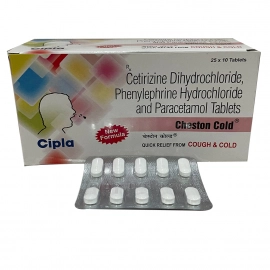
Cheston Cold products may be available in different formulations. So, do not assume that every product has the same ingredients, strength, or dosage. Here are the Cheston Cold tablets commonly used as OTC medication:
|
Product Name |
Form |
Common Use |
|
Tablet |
Helps relieve fever, body pain, sneezing, runny nose, and nasal congestion during the common cold and allergies |
|
|
Tablet |
Used for multi-symptom cold relief, including blocked nose, headache, fever, and flu-related discomfort |
Important note: The "Total" naming generally signals a formula aimed at more comprehensive symptom coverage, but the right one for you still depends on your specific symptoms, not the name alone. So, check the pack composition or ask your pharmacist before switching between the two.
How Does Cheston Cold Tablet Work?
Cheston Cold Tablet works by combining its three crucial ingredients that target cold and allergy symptoms together. The medicine contains Paracetamol for pain relief, Cetirizine as an antihistamine, and Phenylephrine to relieve nasal congestion. Each ingredient has a specific role in providing relief. But the exact action depends on the formulation printed on the pack.
Here is how each component works:
1. Role of Paracetamol
Paracetamol helps reduce fever, headache, body pain, and mild throat discomfort. It works by lowering the chemicals (prostaglandins) in the body that cause pain and fever.
2. Role of Cetirizine
Cetirizine is an anti-allergic medicine that helps control sneezing, a runny/itchy nose, and watery eyes. It does so by blocking histamine, a substance in the body that triggers allergy symptoms.
Role of Phenylephrine
Phenylephrine is a nasal decongestant that helps relieve a stuffy nose, nasal blockage, and sinus pressure. It works by narrowing swollen blood vessels inside the nose, making breathing easier.
Role of Other Ingredients
Some Cheston Cold formulations may contain other ingredients, such as caffeine or diphenhydramine. These ingredients can affect alertness, sleepiness, or other symptoms. This is why checking the exact composition is important.
How the Combination Works Together
The combination of these ingredients makes Cheston Cold Tablet effective for managing multiple symptoms at the same time. Instead of taking separate medicines for fever, allergy, and congestion, this single tablet provides convenient short-term relief for cold and flu symptoms. However, taking a combination medicine is not always necessary when you have only one symptom. So, go to a doctor or pharmacist, who can help you choose the most suitable option.
Benefits of Cheston Cold Tablet 10's
Cheston Cold Tablet 10s offers relief from multiple cold symptoms in a single medicine. It is commonly used for short-term comfort during seasonal cold, flu, or allergy-related problems.
1. Fast Relief from Cold Symptoms
The tablet may help provide quick relief from:
-
Fever
-
Headache
-
Body pain
-
Sneezing
-
Runny nose
-
Nasal congestion
Many people prefer it because it works on several symptoms together.
2. Multi-Symptom Control in One Tablet
Instead of taking different medicines separately, the Cheston Cold tablet combines pain relief, anti-allergy action, and nasal decongestion in one tablet. This is why this medicine is convenient and easy to use.
3. Helps Improve Comfort and Sleep
Cold symptoms like a blocked nose and continuous sneezing can disturb sleep and daily activities. By reducing these symptoms, the medicine may help patients rest better and feel more comfortable. But some formulations may also cause drowsiness, so they should not be used as a sleep aid.
4. Convenient for Short-Term Use
The medicine is generally used for a short duration during cold or flu episodes. When taken as directed, it can help people manage symptoms while the body recovers naturally.
5. Helps During Seasonal Allergies
Cheston Cold Tablet may also help people experiencing mild allergy symptoms caused by dust, pollen, or weather changes. It can reduce sneezing, itchy nose, and watery eyes associated with seasonal allergies.
6. May Help Improve Breathing Comfort
By relieving nasal blockage and congestion, a formulation containing a suitable decongestant may help patients breathe more comfortably, especially during sleep or at night when congestion becomes more noticeable.
7. Easy-to-Take Combination Medicine
Since multiple ingredients are combined in one tablet, patients may not need separate medicines for fever, allergies, and congestion. This makes treatment simpler and more convenient for short-term symptom relief. But this does not mean combination tablets are suitable for everyone or that additional medicines are never required.
How to Take Cheston Cold Tablet
Cheston Cold Tablet 10’s should be taken exactly as advised by a doctor or according to the instructions on the medicine label. Taking the correct dose is important to avoid unwanted side effects.
Recommended Dosage
-
Adults should take the tablet only at the dose and frequency mentioned on the label or prescribed by a doctor.
-
The dosage may vary depending on the exact formulation, age, symptoms, medical condition, and other medicines being used.
-
Do not take more than the recommended dose.
-
Do not copy the dose from another Cheston Cold product, an old prescription, or an online source.
Important Instructions to Follow
-
Swallow the tablet whole with water.
-
Avoid crushing or chewing the tablet unless the product label specifically allows it.
-
Take it at the same time each day if prescribed regularly.
-
Drink enough fluids and rest properly during a cold or flu.
-
Also, check whether the medicine causes sleepiness before driving or doing work that requires alertness.
What to Do If You Miss a Dose
If you miss a dose, take it when you remember. However, if it is almost time for the next dose, skip the missed dose and continue the regular schedule. Do not take a double dose to make up for the missed one.
Important Safety Advice
Since Cheston Cold tablets contain paracetamol, avoid taking other medicines that also contain paracetamol unless your doctor advises it. Taking too much paracetamol may harm the liver. Also avoid combining Cheston Cold with another cold, flu, allergy, pain, or fever medicine without checking the ingredients first.
Side Effects of Cheston Cold Tablet 10’s
Like any medicine, Cheston Cold Tablet 10’s may also cause side effects in some people. Most side effects are mild and usually improve once the medicine is stopped. However, serious reactions may need medical attention. And the possible side effects depend on the exact ingredients in the product. So, here are some of the common side effects that may happen-
Common Side Effects
|
Common Side Effect |
Management Tips |
|
Drowsiness |
Get proper rest and avoid driving or operating heavy machines after taking the medicine. |
|
Dry Mouth |
Drink plenty of water, chew sugar-free gum, or keep yourself hydrated throughout the day. |
|
Dizziness |
Sit or lie down for a few minutes if dizziness occurs and avoid sudden movements. |
|
Nausea |
Eat light meals and try natural remedies like ginger tea or peppermint tea for relief. |
|
Headache |
Rest in a quiet place, stay hydrated, and apply a cold compress on the forehead if needed. |
|
Tiredness or Weakness |
Maintain a balanced diet, drink enough fluids, and get adequate sleep to help the body recover. |
Because the medicine may cause sleepiness, avoid driving or operating heavy machines after taking it.
Serious Side Effects
|
Serious Side Effect |
What to Do |
|
Difficulty Breathing |
Seek immediate medical attention or visit the nearest emergency room. |
|
Severe Allergic Reaction |
Stop taking the medicine and contact a doctor immediately. |
|
Swelling of Face or Throat |
Get urgent medical help, as this may indicate a serious allergic reaction. |
|
Fast or Irregular Heartbeat |
Consult a doctor immediately, especially if symptoms continue or worsen. |
|
Severe Skin Rash |
Discontinue the medicine and seek medical advice as soon as possible. |
But if you experience difficulty breathing, swelling of the face or throat, fainting, or a rapidly worsening allergic reaction, seek emergency medical help immediately.
When to Consult a Doctor
Talk to a doctor if:
-
Symptoms do not improve within a few days
-
Fever becomes high
-
Side effects become severe
-
You have existing liver, kidney, or heart problems
-
You develop chest pain, severe palpitations, confusion, or unusual weakness
-
You accidentally take more than the recommended dose
Taking Cheston Cold Tablet only for the recommended duration may help reduce the risk of side effects.
Who Should Avoid Cheston Cold Tablet?
Cheston Cold Tablet may not be suitable for everyone. Certain people should avoid this medicine or take it only under medical supervision.
People with High Blood Pressure
The medicine contains a nasal decongestant that may increase blood pressure in some individuals. Patients with hypertension should consult a doctor before using it.
Patients with Liver or Kidney Disease
Since the tablet contains paracetamol, people with liver problems should use it carefully. Kidney disease patients may also need dosage adjustments.
Heart Disease Patients
People with heart-related conditions should avoid self-medication with Cheston Cold Tablet because some ingredients may affect heart rate and blood pressure.
Pregnant and Breastfeeding Women
Pregnant or breastfeeding women should only take this medicine if recommended by a doctor. Self-use during pregnancy is not advised.
Children and Elderly Patients
Cheston Cold Tablet is generally intended for adults and adolescents aged 12 and above. Dosing for children under 12 is different and should only be decided by a pediatrician. So, never estimate a child's dose by splitting an adult tablet. And worth noting that elderly patients may also be more sensitive to side effects like dizziness and drowsiness.
People Taking Other Medicines
Inform your doctor if you are taking:
-
Blood pressure medicines
-
Sleeping pills
-
Anti-allergy medicines
-
Other cold or fever medicines
-
Antidepressants or medicines that affect heart rhythm
-
Any medicine containing paracetamol
Mixing multiple medicines without guidance may increase the risk of side effects or overdose.
Precautions and Safety Tips
Following a few safety measures while taking Cheston Cold Tablet can help reduce the risk of side effects and improve its effectiveness.
Avoid Alcohol
Do not consume alcohol while taking Cheston Cold Tablet. Alcohol may increase drowsiness and may increase the risk of liver damage when combined with excessive paracetamol use.
Be Careful While Driving
The medicine may cause sleepiness, dizziness, or reduced alertness in some people. Avoid driving, riding, or operating machines if you feel drowsy after taking it.
Avoid Taking Extra Paracetamol
Many cold and fever medicines already contain paracetamol. Taking additional paracetamol medicines together may lead to overdose and liver problems.
Do Not Self-Medicate for Long Periods
Cheston Cold Tablet is generally meant for short-term use. If symptoms continue for more than a few days, consult a doctor instead of increasing the dose on your own.
Stay Hydrated and Take Proper Rest
Along with medicines, drinking enough water, eating light meals, and getting proper rest may help the body recover faster from cold and flu symptoms.
Cheston Cold Expiry: Can You Take It After the Expiry Date?
Do not take Cheston Cold Tablet after its expiry date. The expiry date is usually printed on the medicine strip, carton, or packaging.
So, before taking the medicine:
-
Check the expiry date and batch details on the strip or carton.
-
Do not use tablets that are damaged, discoloured, crumbling, or stored improperly.
-
Avoid using medicine that has been exposed to excessive heat, moisture, or direct sunlight.
-
Ask a pharmacist if the expiry date is unclear or the packaging is damaged.
-
Dispose of expired medicine safely instead of keeping it for future use.
Note that the shelf life and expiry date may differ between batches and formulations, so do not assume that every Cheston Cold product expires at the same time.
Cheston Cold Tablet vs Regular Cold Medicines
Many regular cold medicines target only one symptom at a time, such as fever, cough, or blocked nose. Cheston Cold Tablet is different because it combines multiple medicines in one tablet to provide broader symptom relief.
|
Feature |
Cheston Cold Tablet |
Regular Single-Symptom Medicines |
|
Relieves fever and body pain |
Yes |
Sometimes |
|
Helps with sneezing and allergies |
Yes |
Not always |
|
Reduces blocked nose |
Yes |
Depends on the medicine |
|
Multiple symptom relief in one tablet |
Yes |
Usually No |
|
Convenient for short-term cold relief |
Yes |
May require multiple medicines |
Why Doctors May Recommend Combination Tablets
Doctors may prescribe combination medicines like Cheston Cold Tablet when a person has several cold symptoms together, such as:
-
Fever
-
Runny nose
-
Sneezing
-
Nasal congestion
-
Body pain
The combination tablets reduce the need to take different tablets separately, as you get all in one action in one tablet.
When Regular Medicines May Be Better
In some cases, doctors may prefer single-symptom medicines, especially if:
-
The patient has high blood pressure
-
There are liver or kidney problems
-
The person is sensitive to drowsiness
-
Only one symptom needs treatment
-
The patient is already taking another medicine containing paracetamol or an antihistamine.
It is always safer to take cold medicines under medical guidance, especially for children, elderly patients, or people with existing health conditions.
Final Words
Cheston Cold Tablet is a commonly used medicine for relieving multiple cold and allergy symptoms such as fever, body pain, sneezing, runny nose, and nasal congestion. When taken correctly for a short duration, it may help improve comfort and support recovery during seasonal cold and flu.
But because Cheston Cold products may have different compositions, always check the exact ingredients, strength, dosage instructions, expiry date, and warnings on the pack before use. If symptoms continue, worsen, or side effects appear, consult a qualified doctor for proper medical advice.
Disclaimer: This is an informative article. However, it is advised to follow your doctor’s prescription and instructions, as treatment differs depending on an individual’s state of health.
Frequently Asked Questions (FAQs)
Q1. What is Cheston Cold Tablet used for?
Ans. Cheston Cold Tablet is used to relieve common cold and allergy symptoms such as fever, headache, body pain, sneezing, runny nose, watery eyes, and nasal congestion. It combines multiple medicines in one tablet to provide temporary relief from cold and flu discomfort. Doctors usually recommend it for short-term symptom management during seasonal infections or allergies.
Q2. Which is better, Cheston Cold or Dolo 650?
Ans. Cheston Cold and Dolo 650 are used for different purposes. Dolo 650 mainly helps reduce fever and body pain, while Cheston Cold Tablet treats multiple symptoms like blocked nose, sneezing, fever, and runny nose together. If you only have fever, Dolo 650 may be enough. For multiple cold symptoms, doctors may prefer Cheston Cold Tablet.
Q3. Can I take Cheston Cold Tablet 3 times a day?
Ans. The dosage of Cheston Cold Tablet depends on your age, symptoms, and medical condition. Some people may be advised to take it more than once daily, but self-medication should be avoided. Taking too much medicine can increase the risk of drowsiness, liver problems, or side effects. Always follow the instructions given by your doctor.
Q4. Is Cheston Cold Total safe?
Ans. Cheston Cold Total is generally considered safe when taken for a short duration and in the recommended dose. However, it may not be suitable for people with high blood pressure, liver disease, kidney problems, or heart conditions. Some users may also experience drowsiness or dizziness. It is best to consult a doctor before using it regularly.
Q5. Does Cheston Cold Tablet cause sleepiness?
Ans. Yes, Cheston Cold Tablet may cause sleepiness or drowsiness in some people because it contains an anti-allergic ingredient. The effects differ in different people. If you feel sleepy after taking the medicine, avoid driving, operating heavy machines, or consuming alcohol, as these activities may increase the risk of accidents or discomfort.
Q6. Is Cheston Cold a steroid?
Ans. No. It contains paracetamol, cetirizine, and phenylephrine, and among them, none are steroids.
Q7. Is Cheston Cold safe for kidney patients?
Ans. Not always. Kidney patients may need dosage adjustments or should avoid it, but only after consulting a doctor. Generally, it is not considered safe for kidney patients.

Leave your comment
Note: HTML is not translated!