
Why Sciatica Happens: Symptoms, Causes, Treatment & Prevention

What Is Sciatica and What Does It Feel Like?
Sciatica isn't a disease itself. It's a set of symptoms caused by irritation or compression of your sciatic nerve. You can think of it like a long electrical cable. When something presses on it, you feel it all along the way. That's why sciatic nerve pain doesn't remain in one place, it travels. It travels from your lower back through the buttock and down the back of one leg, and sometimes even reaches all the way to the foot.
Then, what does sciatica feel like?
People describe it differently. For some, it's a mild ache. For others, it may be like a sharp, burning pain that shoots down the leg like an electric shock. And some people also experience numbness, tingling, or weakness in their leg or foot. The pain usually affects only one side of your body. And here's a classic sign, it often gets worse when you cough, sneeze, or sit for too long.
Common Sciatica Symptoms
So, what are the common Sciatica symptoms? How can you tell if your pain is related to sciatica or not? Here are the common symptoms you might experience-
|
Symptom |
What You May Feel Like |
|
Pain in the lower back |
A constant ache or discomfort in the lower back |
|
Pain travelling down the leg |
Pain that moves from the buttock into the thigh, calf, or foot |
|
Numbness and tingling in the leg |
A "pins and needles" like sensation in the leg or foot |
|
Burning pain |
A hot or stinging feeling along the nerve pathway |
|
Muscle weakness |
Finding it hard to lift the foot or move the leg normally |
|
Pain after sitting for long periods |
Symptoms may become worse after prolonged sitting |
|
*Note: Remember, sciatica doesn’t affect both feet or both of your sides. It usually affects one side of your body. Also, the pain you experience may be mild at first, but can get far worse than you can expect, if the main cause isn't addressed in time. |
What Causes Sciatic Nerve Pain?
But now, after everything you have read through, comes the major question- what exactly causes sciatica? Well, in simple words, it happens because of the pressure on the sciatic nerve. Similar to that of an electrical cable, if someone steps on a cable by mistake or bends it too much, the entire signal gets disturbed. The same thing happens inside your body when there is some kind of pressure on the sciatic nerve.
And when the sciatic nerve gets irritated, inflamed, or just compressed, it can lead to pain, numbness, tingling, or weakness along the entire nerve's pathway. But what's actually putting pressure on the nerve? The following are the possible reasons-
|
Cause |
What Happens |
Simple Explanation through an example |
|
Herniated/slipped disc |
The disc bulges out and presses the nerve |
A soft pillow squishes and pushes on a nerve |
|
Pinched nerve in the lower back |
Nearby tissues press on the nerve |
Wire squeezed inside a tight pipe |
|
Spinal stenosis |
Spaces in the spine get narrower, squeezing the nerve |
The corridor becomes too small for the nerve |
|
Bone spurs |
Extra bone grows and presses on nerves |
Small hard stone pressing on a soft cushion |
|
Back injuries |
Accidents or strain can irritate or damage the nerve |
Injury turns into nerve pressure |
|
Age-related changes |
Wear and tear over the years increases compression |
Old spine parts press more on nerves |
Who Is Most at Risk of Developing Sciatica?
Sciatica can affect anyone. But some people are more likely to develop it than others. Like if you
-
Are between 30 and 50 years old
-
Sit for long hours at a desk or drive a lot
-
Lift heavy things with poor form
-
Have a history of back problems
-
Carry extra weight
-
Don’t move much or have weak core muscles
Think of it this way. Your lower back handles a lot of work every day. The more strain it experiences over time, the higher the chances of developing problems like this that may affect the sciatic nerve. But it is not like if you have these risk factors, it means you'll definitely get sciatica. It just means you need to pay more attention to your back health from now on
Sciatica Treatment and Pain Relief Options
So, perhaps now you might be thinking, “Can sciatica go away on its own, or do you need to have surgery for it?” Well, most sciatica cases improve without surgery. Many people even see real progress in a few weeks. But what you need to do is take the following measures-
-
Rest when you need to, but don’t stay in bed too long.
-
Gentle movement helps more than total rest.
-
Ice for the first couple of days, then switch to heat.
-
Try over-the-counter pain relievers to ease the worst days.
You can also try some medications, such as ibuprofen (400 mg to 600 mg) and naproxen sodium (220 mg) to suppress the inflammation around that nerve. Creams, gels, or patches containing lidocaine (to numb the area) or capsaicin can also help block pain messages. Other medications you can try include-
-
Naproxen (Aleve) – NSAID
-
Gabapentin (Neurontin) – Neuropathic Pain Med
-
Acetaminophen (Tylenol) – Pain Reliever
-
Diclofenac (Voltaren) – Prescription NSAID
-
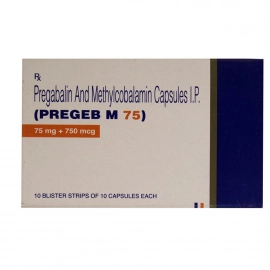
Pregabalin (Lyrica) – Neuropathic Pain Med
-
Muscle Relaxants (Cyclobenzaprine, Tizanidine)
-
Oral Corticosteroids (Prednisone) – Anti-inflammatory
-
Topical Pain Relief (Lidocaine Patches, Capsaicin Cream)
-
Duloxetine (Cymbalta) – Antidepressant for Pain
But then if your situation or symptoms are worse, you can consult your therapist and ask for the details for physical therapy or surgery.
How to Prevent Sciatica?
Not every case of sciatica can be prevented. But by following some habits, you can reduce the chances of developing it or experiencing repeated flare-ups, such as-
-
Strengthen your core and back muscles
-
Lift with your legs, not your back
-
Sit with good posture and stand up every 30-45 minutes
-
Maintain a healthy weight
-
Stretch regularly, especially hips and legs
-
Use proper form during exercise and daily tasks
By following all of this, you can keep your sciatic nerve happy while getting strong muscles.
When Should You See a Doctor?
Don’t wait around if things feel off. Go for help right away if you notice-
-
Severe pain that doesn’t improve after a week
-
Loss of bladder or bowel control
-
Significant leg weakness or numbness
-
Pain after an injury or fall
Also, if you have this question- “How long does sciatica last?” So, it can vary from person to person. Many cases ease up in 4 to 6 weeks. Some linger longer. But ignoring bad signs can lead to bigger problems. That’s why identify them on time and get help from a doctor as soon as possible.
Conclusion
In the end, you must know that Sciatica or sciatic nerve pain can slow you down, but you don’t have to live with it forever. Understand its symptoms well, like pain in the lower back, numbness and tingling in the leg, burning pain, and muscle weakness. Along with that, know the root cause and use simple treatments. And if things get worse, immediately reach out for a doctor's consultation. Soon, you will recover fast without even needing to have surgery.
Moreover, if your doctor approves, you can buy vitamin supplements and online meds through a trusted online pharmacy like Direct Dawai. It provides the required medicines at affordable prices right at your doorstep with express delivery.
Disclaimer: The information provided in this blog is intended for educational and informational purposes only. It should not be considered medical advice, diagnosis, or treatment. Always consult a qualified healthcare professional before making any health-related decisions.
FAQs
-
How to get rid of sciatica pain permanently?
There’s no instant permanent cure, but staying gently active, practicing core-strengthening stretches, using targeted hot and cold packs, and avoiding prolonged sitting can make it far less likely to return. You can go for physical therapy as well. It helps most people achieve lasting relief.
-
Can I live a normal life with sciatica?
Yes, most people do. With the right care and a few healthy habits, most people can manage sciatica and continue doing their daily activities normally.
-
Is sciatica serious?
Usually not life-threatening, but it can be very painful and limit daily life. Rare cases with severe weakness or loss of bladder control need immediate medical care, but most recover well.
-
Can sciatica go away on its own?
Yes, in many cases, it does. With gentle movement, rest, and home care, the nerve often calms down within weeks. But don’t ignore it if pain worsens or lingers.
-
How long does sciatica last?
It can vary from person to person. Like most people feel much better in 4 to 6 weeks. Some recover faster, while some may even need a couple of months. But if you go with early gentle activity, it can help you speed things up.
-
Is walking good for sciatica?
Of course, most people walk as part of the treatment. It’s because short, gentle walks help improve blood flow, reduce stiffness, and strengthen muscles. But start slowly and stop if pain sharply increases.
-
Can sitting make sciatica worse?
Yes, it can, because the longer you remain in one position, the more pressure builds up on your lower back. So, it will be good enough if you get up for a quick stretch or a short walk now and then to reduce that strain.
-
What is the fastest relief for sciatic nerve pain?
Ice for the first days, then heat. Add gentle stretches, short walks, and over-the-counter anti-inflammatories if your doctor approves. Then, lastly, find the position that calms your leg pain quickest.
-
What vitamins are good for sciatic nerve pain?
B12 supports nerve repair, vitamin D reduces inflammation, and magnesium eases muscle tension. Along with that, eat good food sources first. And always remain in touch with a doctor before taking supplements. So, they can guide you on the frequency and dosage of these.
Sources
https://www.mayoclinic.org/diseases-conditions/sciatica/symptoms-causes/syc-20377435
https://www.webmd.com/back-pain/sciatica-pain-relief-options
https://my.clevelandclinic.org/health/diseases/12792-sciatica




Leave your comment
Note: HTML is not translated!