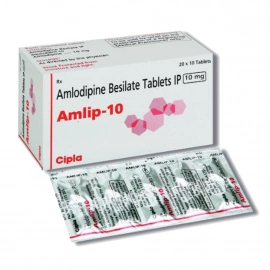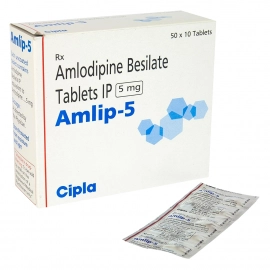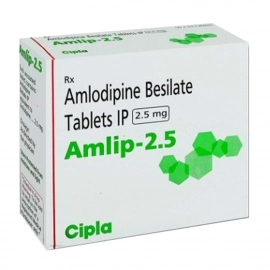
Amlodipine Tablet: Complete Guide to Uses, Dosage, Side Effects & Safety Tips
Brief Overview
In this blog, we will learn:
-
What is an amlodipine?
-
How does it work?
-
What is it used for?
-
Why was I prescribed amlodipine?
-
Can amlodipine treat your condition?
-
Is it used for fever or pain?
-
How to take this tablet (dosage & instructions)
-
Benefits of this tablet
-
Key benefits
-
Side effects
-
Warnings & precautions before taking
-
Drug interactions
What is Amlodipine?
Amlodipine is a commonly prescribed medicine used to treat high blood pressure (hypertension) and certain heart conditions. It belongs to a class of medicines called calcium channel blockers.
Doctors prescribe it to help improve blood flow, reduce the workload on the heart, and lower the risk of serious problems like heart attack and stroke. It is usually taken once daily and is considered safe for long-term use when taken as advised.
How Does Amlodipine Work?
Amlodipine works by relaxing and widening your blood vessels, making it easier for blood to flow through them.
It blocks the entry of calcium into the muscle cells of the heart and blood vessels. Since calcium causes muscles to tighten, blocking it helps the vessels stay relaxed.
This results in:
-
Lower blood pressure
-
Better blood circulation
-
Reduced strain on the heart
Unlike fast-acting medicines, Amlodipine works gradually over time, helping control your condition steadily rather than giving instant relief.
What is Amlodipine Used For?
An Amlodipine pill is mainly used to treat conditions related to the heart and blood vessels. Doctors prescribe it to control blood pressure and improve blood flow, which helps prevent serious health problems over time.
1. High Blood Pressure (Hypertension)
This is the most common use of Amlodipine. It works by easing the tension in blood vessels, allowing blood to flow more smoothly and reducing the effort required by the heart to circulate blood. Controlling blood pressure reduces the risk of heart attack, stroke, and kidney damage.
2. Chest Pain (Angina)
Amlodipine is also used to treat angina, which is a type of chest pain which is caused by reduced blood flow to the heart. It helps by:
-
Improving oxygen supply to the heart
-
Reducing the frequency of chest pain episodes
-
Making physical activity more comfortable
3. Coronary Artery Disease (CAD)
In some cases, doctors prescribe Amlodipine for patients with blocked or narrowed heart arteries.
It helps:
-
Improve blood flow in the coronary arteries
-
Reduce heart-related complications
-
Support overall heart health
Amlodipine does not cure these conditions but helps manage them effectively when taken regularly. From a practical point of view, I often say to patients that this medicine is not just treating their symptoms; it is protecting their hearts in the long run.
|
Medicine Name |
Composition |
Strength |
Price |
|
Amlodipine |
5 mg |
₹42.00 |
|
|
Amlodipine |
2.5 mg |
₹20.04 |
|
|
Amlodipine |
5 mg |
₹28.00 |
|
|
Amlodipine |
10 mg |
₹27.99 |
|
|
Amlodipine |
2.5 mg |
₹30.07 |
|
|
Amlodipine |
5 mg |
₹84.00 |
|
|
Amlodipine |
10 mg |
₹61.04 |
|
|
Amlodipine |
5 mg |
₹84.00 |
|
|
Amlodipine |
5 mg |
₹19.28 |
Why Was I Prescribed Amlodipine?
If your doctor has prescribed this pill, it’s usually to control your blood pressure or support your heart health. But the exact reason can vary from person to person.
Let me explain this in a practical way, based on common real-life scenarios.
Common Reasons Doctors Prescribe Amlodipine
1. Your Blood Pressure is High
If your readings are consistently above normal, Amlodipine helps bring it down and keep it stable throughout the day.
2. You Have Chest Pain (Angina)
If you experience tightness or pain in the chest during activity or stress, this medicine helps improve blood flow to the heart and reduces such episodes.
3. To Prevent Future Heart Problems
Even if you feel fine, your doctor may prescribe Amlodipine to reduce the risk of heart attack or stroke, especially if you have risk factors like:
-
Diabetes
-
High cholesterol
-
Smoking history
-
Family history of heart disease
4. Your Heart Needs Less Strain
In some patients, the heart has to work harder to pump blood. Amlodipine reduces this load, helping the heart function more efficiently.
The person is given Amlodipine who has high blood pressure or heart-related chest pain, or those who have circulation issues, or people at risk of cardiovascular diseases.
In clinical terms, I often explain it like this: “You may not feel symptoms every day, but uncontrolled blood pressure silently damages your body. Amlodipine helps prevent that damage before it becomes serious.”
Can Amlodipine Treat Your Condition?
This is one of the most common questions patients ask: “Will this medicine actually cure my problem?” The simple answer is that Amlodipine helps to manage your condition. However, it does not cure it permanently.
Amlodipine works very well for people who have high blood pressure, chest pain (angina), or heart-related circulation problems. If your condition is related to narrowed or tight blood vessels, this medicine can be very effective because it directly relaxes them.
In some cases, Amlodipine alone may not fully control your condition. Your doctor may:
-
Combine it with other blood pressure medicines
-
Adjust the dose over time
-
Recommend lifestyle changes like diet and exercise
Common Misconception
People think once they start feeling better, they can stop taking this medicine. This is not correct. Amlodipine controls your condition only while you are taking it regularly. Stopping it suddenly can cause your blood pressure to rise again.
One practical piece of advice that I would like to give here is that patients should think of Amlodipine as a daily support system for their heart. It works silently behind the scenes to keep things stable.
Is Amlodipine Used for Fever or Pain?
No, Amlodipine is not used for fever or pain relief. This is a very common confusion, especially because many medicines are taken in tablet form. But Amlodipine is specifically designed to treat blood pressure and heart-related conditions, not general symptoms like fever or body pain.
Amlodipine does not treat
-
Fever
-
Headache (unless caused by high blood pressure)
-
Body pain or muscle pain
-
Infections
Sometimes, people with high blood pressure may feel headaches, dizziness, or discomfort. That is why this confusion takes place. After taking Amlodipine, these symptoms may improve, which can make it seem like the medicine is treating pain. In reality, it is controlling the root cause (high blood pressure).
If you have a fever, then you may need medicines like Paracetamol. In case you feel pain, then you may need pain relievers. Do not use Amlodipine for these purposes, and avoid self-medication. Amlodipine is a heart and blood pressure medicine, not a painkiller or fever reducer.
How to Take Amlodipine (Dosage & Instructions)
Taking an Amlodipine correctly is very important for controlling blood pressure and protecting your heart in the long run. The right dose depends on factors like your age, overall health, and how your body reacts to the medicine.
Usual Dosage for Adults
In most cases, doctors start with a low dose and adjust it if needed.
-
Common starting dose: 5 mg once daily
-
Some patients may need: 10 mg once daily
-
In elderly or sensitive patients: 2.5 mg once daily
Always follow your doctor’s exact prescription. Do not change the dose on your own.
How and When to Take It
-
Take it once a day at the same time
-
It can be taken with or without food
-
Swallow the tablet with a glass of water
-
Try not to miss your daily dose for the best results
If You Miss a Dose
-
Take it as soon as you remember
-
If the time of the next dose is close, then skip the missed one
-
Do not take a double dose to cover the missed one
If You Take Too Much (Overdose)
Taking more than prescribed can cause:
-
Very low blood pressure
-
Dizziness or fainting
-
Fast or irregular heartbeat
Immediately get medical help if there is an overdose. Don’t delay in this condition, as it can lead to severe damage.
Benefits of Amlodipine
An Amlodipine helps manage blood pressure and supports long-term heart health. When taken regularly under medical guidance, it reduces the risk of serious heart-related complications.
Key Benefits of Amlodipine
|
Benefit |
What It Means for You |
|
Controls high blood pressure |
Helps keep BP in a normal range by relaxing blood vessels |
|
Reduces heart attack & stroke risk |
Lowers the load on the heart and improves blood flow |
|
Relieves chest pain (angina) |
Improves oxygen supply to the heart |
|
Improves circulation |
Ensures smooth blood flow throughout the body |
|
Once-daily convenience |
Easy to take and fits into daily routine |
|
Long-term safety |
Suitable for continuous use under a doctor's supervision |
Amlodipine does not just reduce numbers on a machine. It reduces pressure on your heart every day, which helps prevent long-term damage.
Side Effects of Amlodipine
Like all medicines, Amlodipine may cause some side effects in certain people. Most of them are mild and temporary, especially when the body adjusts to the medicine. However, it is important to know what to expect so you can stay alert and safe.
Common Side Effects
These are usually not serious and may improve over time:
-
Swelling in feet or ankles (edema)
-
Headache
-
Dizziness or light-headedness
-
Feeling tired or weak
-
Flushing (warmth or redness in face)
-
Mild stomach discomfort
In most cases, these effects are manageable and do not require stopping the medicine without a doctor’s advice.
Less Common but Important Side Effects
Some people may experience:
-
Fast or irregular heartbeat
-
Severe dizziness or fainting
-
Shortness of breath
-
Unusual weight gain
Serious Side Effects (Seek Medical Help Immediately)
Although rare, stop the medicine and contact a doctor if you notice:
-
Severe swelling in the legs or hands
-
Chest pain that worsens
-
Very low blood pressure symptoms (fainting, extreme weakness)
-
Symptoms of an allergic reaction may include skin rash, itching, or swelling of the face, lips, or throat
From my experience, I have learned that most patients tolerate Amlodipine well. The most commonly reported issue is ankle swelling, which is usually dose-related and can often be managed by adjusting the dose or combining with other medicines under a doctor’s supervision.
Warnings & Precautions Before Taking Amlodipine
Before starting to take Amlodipine, it is important to understand a few safety points. This helps reduce risks and ensures the medicine works effectively for your condition.
1. Do Not Stop Suddenly
-
Do not stop Amlodipine on your own
-
Suddenly stopping it can cause your blood pressure to rise again
-
Always consult your doctor before making changes
2. Use in Pregnancy and Breastfeeding
-
Inform your doctor if you are pregnant or planning pregnancy
-
Amlodipine is used only if clearly needed during pregnancy
-
Amlodipine can enter breast milk, so it’s important to consult your doctor before using it while breastfeeding
3. Liver Problems
-
People with liver disease may need a lower dose
-
Liver helps process this medicine, so impaired function can affect its level in the body
4. Low Blood Pressure (Hypotension)
-
If you already have low blood pressure, Amlodipine must be used carefully
-
It may cause dizziness or fainting in such cases
5. Heart Conditions
-
Tell your doctor if you have heart failure or aortic stenosis
-
Dose adjustments may be required for safe use
6. Alcohol Consumption
-
Alcohol can increase dizziness and lower blood pressure
-
It is best to limit or avoid alcohol while taking this medicine
7. Driving and Machine Use
-
Amlodipine may cause dizziness in some people
-
Avoid driving or operating heavy machinery
In daily practice, I will advise the patients that Amlodipine is safe when used correctly, but small precautions make a big difference in avoiding side effects.
Drug Interactions to Be Aware Of
When taking Amlodipine, it is important to know that it may interact with certain medicines and substances. These interactions can either increase side effects or reduce how well the medicine works.
Medicines That May Interact with Amlodipine
Always inform your doctor if you are taking any of the following:
-
Other blood pressure medicines (can cause very low blood pressure)
-
Heart medicines like beta-blockers (may slow heart rate too much)
-
Statins (cholesterol medicines) such as simvastatin
-
Strong antibiotics or antifungal medicines
-
HIV medicines (can increase Amlodipine levels in the body)
Food and Drink Interactions
-
Grapefruit and grapefruit juice can increase the level of Amlodipine in your blood, leading to more side effects like dizziness or swelling.
-
Alcohol may increase dizziness and lower blood pressure further.
Herbal or OTC Medicines
Even common over-the-counter products or herbal supplements may affect blood pressure. Always check with your doctor before combining them.
Final Words
An Amlodipine tablet is an effective medicine for controlling high blood pressure and chest pain when used correctly. It helps protect the heart by improving blood flow and reducing long-term complications like heart attack and stroke.
However, it should always be taken regularly as prescribed and never stopped suddenly. Along with medicine, a healthy lifestyle and regular BP monitoring are important for better results.
Always follow your doctor’s advice for safe and long-term heart health management.
Disclaimer:
The information is for general educational purposes only and should not be considered as a substitute for professional medical advice, diagnosis, or treatment. Always consult a qualified doctor before starting, stopping, or changing any medication. Do not self-medicate based on the information shared here.
Reference:
Frequently Asked Questions(FAQs)
Q1. What is Amlodipine?
Ans. Amlodipine is a prescription medicine used to treat high blood pressure and chest pain (angina). It belongs to a group called calcium channel blockers, which help relax blood vessels and improve blood flow, making it easier for the heart to pump blood efficiently.
Q2. What is Amlodipine used for?
Ans. Amlodipine is mainly used to manage high blood pressure and prevent chest pain caused by reduced blood flow to the heart. In some patients, it is also prescribed to lower the risk of heart attack and stroke when used regularly under medical supervision.
Q3. Is Amlodipine a beta blocker?
Ans. No, Amlodipine is not a beta blocker. It belongs to a class of medicines called calcium channel blockers. While both are used for blood pressure and heart conditions, they work in different ways. Amlodipine relaxes blood vessels, whereas beta blockers reduce heart rate.
Q4. Can Cilnidipine and Amlodipine be taken together?
Ans. Amlodipine and cilnidipine are both calcium channel blockers, so they are usually not taken together unless specifically advised by a doctor. Combining them without medical supervision may increase side effects like very low blood pressure, dizziness, or swelling in the body.
Q5. Why does Amlodipine cause pedal edema?
Ans. Amlodipine can cause pedal edema (swelling in the feet or ankles) because it relaxes blood vessels, which may lead to fluid leakage into surrounding tissues. This side effect is usually mild and dose-related, but should be reported if swelling becomes persistent or uncomfortable.