Loose Motion Medicines in India (2026): Tablets, ORS & Treatment Guide for Adults & Kids
Best Loose Motion Medicines in India at a Glance
|
Condition |
Recommended Medicine Type |
|
Watery loose motion |
ORS + Racecadotril |
|
Frequent stools |
Loperamide |
|
Stomach infection |
Ofloxacin + Ornidazole |
|
Antibiotic-associated diarrhea |
Probiotics |
|
Dehydration |
ORS |
|
Loose motion in children |
ORS + Zinc |
What Is Loose Motion?
Loose motion refers to a condition in which a person passes watery or loose stools more than three times a day. It happens when the digestive system is unable to absorb enough water from food, which causes stools to become loose and frequent.
Loose motion can be:
-
Acute (short-term, lasting a few days)
-
Chronic (lasting more than two weeks)
If ignored, loose motion can cause dehydration, especially in children and elderly people.
What are the Symptoms of Loose Motion?
Loose motion can affect people of all ages and may occur due to infection, food poisoning, stress, or digestive issues. The symptoms can range from mild to severe, depending on the cause.
Common symptoms of loose motion include:
-
Passing loose stools several times a day
-
Stomach pain, cramps, or discomfort
-
Feeling bloated or uneasy in the abdomen
-
Nausea or occasional vomiting
-
Tiredness, weakness, or low energy
-
Mild fever in some cases
-
Signs of dehydration such as dry mouth, dizziness, or reduced urination
Taking the right medicine at the right time helps control symptoms and reduces the risk of dehydration.
What Causes Loose Motions?
Loose motions occur when the intestines are unable to absorb enough water from food or when excess fluid is released into the intestines. This leads to frequent watery stools and digestive discomfort. Common causes include:
-
Bacterial or viral infections (such as E. coli or rotavirus)
-
Contaminated food or drinking water
-
Antibiotic use that disturbs gut bacteria
-
Food intolerance, especially lactose intolerance
-
Poor digestion or sudden diet changes
-
Stress, anxiety, or irritable bowel syndrome (IBS)
-
Parasitic infections or intestinal inflammation
What are the Types of Medicines for Loose Motion
The best medicine for loose motion are grouped based on how they work in the body. Some help slow bowel movement, others reduce fluid loss, restore gut balance, or prevent dehydration. Choosing the right type helps control symptoms safely and speeds up recovery.
-
Antidiarrheal (Antimotility) Medicines:
Medicines like loperamide help slow down bowel movements. This reduces the number of stools and allows the intestines to absorb more water, helping stools become firmer.
-
Anti-secretory Medicines:
Racecadotril works by reducing excess fluid release in the intestines. It controls loose motion without stopping normal gut movement, making it suitable for children and adults when advised.
-
Probiotics:
Probiotics such as Lactobacillus medicine and Saccharomyces boulardii help restore healthy gut bacteria. They support digestion and help bring stools back to normal naturally, especially after infections or antibiotic use.
-
Oral Rehydration Solutions (ORS):
ORS replaces lost fluids and essential electrolytes caused by loose motion. It helps prevent dehydration, weakness, and dizziness, and is safe for all age groups.
-
Antibiotics:
Antibiotics are used only when loose motion is caused by a confirmed bacterial infection. They should be taken strictly under a doctor’s guidance to avoid unnecessary side effects.
Antibiotics and anti-diarrheal tablets should not be taken without medical advice, especially in children, elderly people, or people with fever and blood in stools. Self-medication may worsen some infections.
Which Loose Motion Medicine Works Fastest?
|
Medicine |
Best For |
How Fast It Works |
|
Loperamide |
Frequent stools |
1–3 hours |
|
Racecadotril |
Watery diarrhea |
Few hours |
|
ORS |
Dehydration |
Immediate hydration support |
|
Probiotics |
Gut recovery |
1–2 days |
|
Antibiotics |
Bacterial diarrhea |
24–48 hours |
Common Generic Medicines for Loose Motion in India
|
Generic Medicine |
How It Helps |
|
Loperamide |
It is an anti-motility medicine that slows bowel movement, reduces frequent stools, and helps improve stool consistency. |
|
Racecadotril |
It is an anti-secretory medicine that reduces excess fluid loss in the intestines without stopping normal bowel movement. |
|
Ofloxacin + Ornidazole |
It is a combination antibiotic used in bacterial or parasitic diarrhoea. It helps treat infection in the intestine and controls loose motions caused by contaminated food or water. |
|
Norfloxacin + Metronidazole |
This antibiotic combination treats bacterial diarrhoea and intestinal infections. It helps control infection-related loose motions under medical supervision. |
|
Metronidazole |
It is an antibiotic used for treating diarrhoea caused by certain bacterial or parasitic infections. It works by stopping the growth of harmful microorganisms in the intestine. |
|
ORS (Oral Rehydration Salts) |
It replaces lost fluids and electrolytes, preventing dehydration, weakness, and dizziness during loose motion. |
List of Loose Motion Tablets Name in India from Direct Dawai
The most common loose motion tablets and medicines are available at the best online pharmacy store. Here is the list of the tablets commonly used:
|
Medicine Name |
Active Composition |
|
Loperamide Tablet 2 mg |
Loperamide Hydrochloride 2 mg |
|
Racecadotril 100 Capsule |
Racecadotril 100 mg |
|
Ofloxacin Ornidazole Tablet |
Ofloxacin 200 mg + Ornidazole 500 mg |
|
Norfloxacin + Metronidazole Tablet |
Norfloxacin 400 mg + Metronidazole 400 mg |
|
Metronidazole Tablet |
Metronidazole 400 mg |
|
ORS Sachet |
Sodium chloride + Potassium chloride + Sodium citrate + Dextrose |
Loperamide 2 mg Tablet
Loperamide 2 mg Tablet is commonly used to control frequent loose motions. It works by slowing down intestinal movement, allowing the body to absorb more water from stools. This helps reduce stool frequency and urgency. It should not be used in bacterial diarrhoea without medical advice.
Salt Composition: Loperamide Hydrochloride 2 mg
What it does: Reduces stool frequency and improves stool consistency
Racecadotril 100 Capsule
Racecadotril 100 mg Capsule helps reduce excessive fluid secretion in the intestines without affecting normal bowel movement. It controls watery diarrhoea and is often used in acute loose motions.
Salt Composition: Racecadotril 100 mg
What it does: Reduces intestinal fluid loss and controls watery stools
Ofloxacin Ornidazole Tablet
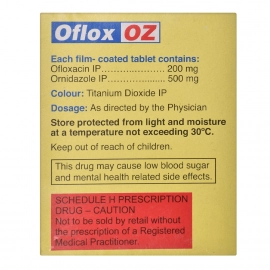
This combination medicine is used when loose motion is caused by bacterial or parasitic infections. Ofloxacin kills harmful bacteria, while Ornidazole treats protozoal infections.
Salt Composition: Ofloxacin 200 mg + Ornidazole 500 mg
What it does: Treats infectious diarrhoea caused by bacteria or parasites
Norfloxacin + Metronidazole Tablet
This combination is prescribed for severe or infectious diarrhoea. Norfloxacin acts against bacteria, and Metronidazole works against anaerobic organisms and parasites.
Salt Composition: Norfloxacin 400 mg + Metronidazole 400 mg
What it does: Treats bacterial and amoebic loose motions
Metronidazole 400 mg Tablet
Medicines containing Metronidazole or Ornidazole are used in cases of amoebic dysentery and certain intestinal infections. For example, Oflox-OZ contains Ornidazole. It is effective when loose motion is caused by parasites.
Salt Composition: Metronidazole 400 mg
What it does: Treats parasitic and anaerobic infections
ORS Liquid
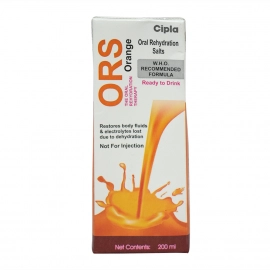
ORS is the most important treatment in loose motion. It replaces lost fluids and electrolytes and prevents dehydration. It is safe for children, adults, and elderly people.
Salt Composition: Sodium chloride, potassium chloride, sodium citrate, dextrose
What it does: Prevents dehydration and restores electrolyte balance
Best Loose Motion Medicine Based on Symptoms
|
Symptom |
Medicine Often Used |
|
Watery diarrhea |
Racecadotril |
|
Frequent stool urgency |
Loperamide |
|
Food poisoning |
Antibiotic combinations like Ofloxacin + Ornidazole |
|
Weakness/dehydration |
ORS |
|
Antibiotic-related diarrhea |
Probiotics |
|
Loose motion in children |
ORS + Zinc |
|
Viral Diarrhea |
ORS + Probiotics |
|
Amoebic Infection |
Metronidazole/Ornidazole |
What are the Home Remedies for Loose Motion?
Along with medicines, simple home remedies can support faster recovery by soothing the stomach, improving digestion, and preventing dehydration.
-
Curd
Rich in natural probiotics, curd helps restore healthy gut bacteria and improves digestion, especially after infections or antibiotic use.
-
Banana
Easy to digest and rich in potassium, bananas help firm stools and replace lost nutrients.
-
Rice Water
Light on the stomach, rice water reduces bowel irritation and helps control frequent loose motions.
-
Coconut Water
A natural electrolyte drink that prevents dehydration and weakness during loose motion.
-
Pomegranate Juice
Contains antioxidants and astringent properties that support gut health and reduce stool frequency.
Medicine Guide by Age Group: Safe Options for Children, Adults, and Seniors
|
Age Group |
Recommended Medicines |
Key Care Guidelines |
|
Children |
ORS, zinc syrup/tablets, probiotic drops or suspensions |
ORS should be given at the first sign of loose motion. Only child-specific formulations must be used. Adult anti-diarrhoeal tablets should never be given unless a doctor prescribes them. |
|
Adults |
ORS, anti-diarrhoeal tablets, probiotics |
Start with ORS to prevent fluid loss. Medicines should be chosen based on symptoms and duration. If loose motions continue beyond 48 hours, medical advice is recommended. |
|
Seniors |
ORS, probiotics, gentle anti-diarrhoeals (doctor-advised) |
Older adults are more prone to dehydration and weakness. Medicines should be used carefully, especially if other health conditions or medications are present. |
How Hydration and Diet Help During Loose Motion
Tablets for loose motion work best when combined with proper hydration and a supportive diet. These factors help the digestive system heal faster and reduce weakness.
-
Maintain fluid intake: ORS, coconut water, and safe fluids help replace lost electrolytes and prevent dehydration.
-
Choose light meals: Foods like plain rice, bananas, and curd are gentle on the stomach and easy to digest.
-
Avoid irritants: Spicy, oily, sugary, and caffeinated foods can worsen loose motions.
-
Support gut recovery: Probiotic-rich foods or supplements help restore healthy gut bacteria.
-
Return to normal diet slowly: Once stools improve, reintroduce regular foods gradually to avoid relapse.
Benefits of Using the Right Loose Motion Medicine
Choosing the right loose motion medicine is important for safe and effective treatment. The correct medicine not only helps control symptoms quickly but also prevents complications like dehydration and side effects.
-
Faster Relief: Proper medicines reduce stool frequency and control urgency effectively.
-
Better Safety: The right choice lowers the risk of side effects and complications.
-
Prevents Dehydration: ORS and supportive treatment help maintain fluid and electrolyte balance.
-
Improves Gut Health: Probiotics restore healthy bacteria and support digestion.
-
Reduced Drug Interactions: Correct selection avoids harmful reactions with other medicines.
-
Accurate Treatment: Suitable medicines target the root cause for quicker recovery.
-
Better Recovery Outcomes: Proper use helps the body heal faster and prevents recurrence.
Using the right medicine at the right time ensures safe, quick, and effective relief from loose motion.
Things to Avoid When You Have Loose Motion
Certain foods and habits can slow recovery or worsen symptoms during loose motion.
-
Raw, fried, or oily foods: Can irritate the intestines further
-
Milk and heavy dairy: May be hard to digest temporarily
-
Sugary drinks and packaged juices: Pull more water into the intestines
-
Spicy foods: Increase bowel irritation
-
Alcohol and caffeine: Increases dehydration
-
Excessive medicine use: Overusing anti-diarrhoeal tablets may cause constipation or hide serious conditions
When to Consult a Doctor: Warning Signs You Should Not Ignore
Loose motion often improves with basic care, but some symptoms require immediate medical attention. Seek medical help if you notice:
-
Diarrhoea lasting more than 2 or 3 days, even after taking proper treatment
-
Signs of severe dehydration (very little urine, dry mouth, dizziness)
-
Blood or mucus in stools
-
High fever with loose motion
-
Severe or continuous stomach pain
-
Repeated vomiting that is preventing fluid intake
-
Loose motion in infants, elderly, pregnant women, or low-immunity patients
-
Sudden weakness or unexplained weight loss
Note: Early diagnosis and treatment can prevent serious complications help in fast recovery.
Where to Buy Loose Motion Medicines Online?
You can buy ORS, probiotics, anti-diarrheal tablets, and stomach infection medicines online from Direct Dawai after proper medical consultation. Always choose medicines based on symptoms, age, and severity. ORS solutions, probiotic capsules, and diarrhea tablets should only be used in recommended doses for safe recovery.
Conclusion
Loose motion is a common problem, but it can be managed if it is treated early. The right combination of diarrhea tablets, proper hydration, and diet can control symptoms and prevent dehydration. Choosing the correct medicine for loose motion depends on the cause, age, and severity.
From ORS to zinc supplements to tablets, there are enough options available for treating diarrhea. If the condition does not improve or worsens even after taking proper treatment, then you should immediately consult your doctor.
Disclaimer: The information on Direct Dawai is for general awareness only and is not a substitute for medical advice. Always consult a qualified doctor before using any medicine or treatment.
Frequently Asked Questions(FAQs)
Q1. Which is the best loose motion medicine in India?
Ans. There is no single best loose motion medicine for everyone. ORS is always the first and most important treatment to prevent dehydration. Depending on age and cause, medicines like loperamide, racecadotril, probiotics, and zinc supplements are commonly used for effective relief.
Q2. Are loose motion tablets safe?
Ans. Loose motion tablets are generally safe when taken in the correct dose and for a short duration. Some medicines are not suitable for children, elderly people, or infectious diarrhoea. It is always safer to consult a doctor if symptoms persist or worsen.
Q3. How long does loose motion usually last?
Ans. Acute loose motion usually lasts between 1 to 3 days and improves with proper hydration and basic treatment. If diarrhoea continues beyond 2 to 3 days, or is accompanied by fever, blood in stools, or dehydration, medical attention is required.
Q4. Is ORS enough for diarrhea?
Ans. ORS is the most important treatment for diarrhea because it replaces lost fluids and electrolytes and prevents dehydration. In mild cases, ORS alone may be enough for recovery. However, if loose motion is severe, frequent, or caused by infection, additional medicines like probiotics or anti-diarrheal tablets may be required.
Q5. Which is the best medicine for watery stools?
Ans. Racecadotril is commonly used for watery stools because it helps reduce excess fluid secretion in the intestines without affecting normal digestion. ORS is also necessary to prevent dehydration. In some cases, probiotics and other medicines may be recommended depending on the cause and severity of the loose motion.
Q6. Can probiotics stop loose motion?
Ans. Yes, probiotics can help control loose motion by restoring healthy bacteria in the gut. They are especially useful after infections or antibiotic use. Probiotics improve digestion, support gut recovery, and may reduce the duration of diarrhea naturally. They are often used along with ORS and proper hydration for better results.
Q7. What should I eat during diarrhea?
Ans. During diarrhea, light and easy-to-digest foods are recommended. Bananas, curd, plain rice, toast, khichdi, and boiled potatoes help soothe the stomach and improve digestion. Drinking ORS, coconut water, and enough fluids is also important. Avoid spicy, oily, and heavy foods until digestion becomes normal again.
Q8. Which medicine is safe for children?
Ans. ORS and zinc supplements are considered the safest and most important treatments for loose motion in children. Probiotic syrups or drops may also help improve gut health. Anti-diarrheal tablets meant for adults should not be given to children unless prescribed by a doctor, as they may cause unwanted side effects.
Q9. Can antibiotics cure loose motion?
Ans. Antibiotics can help cure loose motion only when it is caused by bacterial or parasitic infections. They are not useful for viral diarrhea or mild digestive upset. Unnecessary antibiotic use may worsen gut health and cause side effects, so they should only be taken under proper medical supervision.
Q10. What is the fastest home remedy for diarrhea?
Ans. ORS is the fastest and most effective home remedy for preventing dehydration during diarrhea. Along with ORS, consuming bananas, curd, rice water, and coconut water may help soothe the stomach and improve recovery. Proper hydration and light meals are important for controlling symptoms naturally and safely.
Q11. Can stress cause loose motion?
Ans. Yes, stress and anxiety can sometimes trigger loose motion by affecting digestion and bowel movement. Stress-related diarrhea is common in people with sensitive stomachs or irritable bowel syndrome (IBS). Managing stress through proper sleep, relaxation, hydration, and healthy eating habits may help reduce digestive discomfort and frequent stools.
Q12. Which foods should be avoided?
Ans. Spicy, oily, fried, and processed foods should be avoided during loose motion because they can irritate the intestines and worsen symptoms. Sugary drinks, alcohol, caffeine, and heavy dairy products may also increase dehydration or digestive discomfort. Eating simple and light foods helps the stomach recover faster and safely.
Q13. Is loose motion dangerous?
Ans. Loose motion is usually mild and improves within a few days, but it can become dangerous if severe dehydration develops. Children, elderly people, and people with weak immunity are at higher risk of complications. Symptoms like dizziness, dry mouth, weakness, or very little urination should not be ignored.
Q14. When should I go to the hospital?
Ans. You should go to the hospital if loose motion lasts more than two or three days, or if there is severe dehydration, blood in stools, high fever, continuous vomiting, or severe stomach pain. Immediate medical attention is also important for infants, elderly people, and pregnant women with diarrhea symptoms.
Q15. Which tablet stops loose motion quickly?
Ans. Loperamide is commonly used to reduce frequent loose stools quickly by slowing bowel movement. Racecadotril may help in watery diarrhea by reducing fluid loss. ORS is also important to prevent dehydration. The best tablet depends on the cause, severity, and age of the patient.